
Hacker Noon
Your AI Should Be Your Lifelong Intelligence Layer, Not a Rented Chat Window
You've spent 1,200 hours this year talking to AI assistants. You've debugged code, designed systems, and learned frameworks—all through these conversations. But where's that knowledge now? Buried in thousands of chat logs you'll never see again. The real cost of centralized AI isn't privacy or compute fees—it's that your intelligence doesn't compound. Every interaction makes the platform smarter, but leaves you with nothing permanent to build on. The Intelligence Extraction Problem The biggest failure of centralized AI isn't what most people think. It's not about data privacy leaks or cloud compute costs. The real failure is that your intelligence doesn't accumulate . Every conversation, every debugging session, every design decision you make with these tools makes the platform smarter—but not you. Consider this: A senior engineer using AI tools might ask 12,000 questions over three years, fix 500 bugs, design 40 systems, and learn 8 frameworks. That's thousands of hours of problem-solving. Yet almost none of that becomes part of their permanent knowledge base. It's scattered across chat logs, buried in proprietary formats, and locked behind vendor walls. The problem isn't that AI forgets facts. The problem is that your work doesn't become your asset. When you switch jobs, start a new project, or even just get a new laptop, you're often searching through old conversations instead of building on a structured body of knowledge that grows with you. Why Memory Protocols Are the Missing Piece Most discussions about AI ownership focus on privacy or cost. But the deeper issue is knowledge portability . Today, every AI platform stores your memories differently. ChatGPT has its format, Claude has another, Cursor has another. They can't easily understand or share each other's memories. What we need is a memory protocol—a standard format for AI knowledge, just like PDFs standardized document formats. Instead of saving conversations as raw text, we should store structured pieces of knowledge: What happened: "Fixed a login bug" Why it happened: "The authentication token expired" How it was solved: "Refresh the token before retrying" Where it applies: "All projects using this auth system" With this approach, your memories become portable. Any AI assistant can read, build on, and update them. Your knowledge isn't tied to one company's proprietary format—it's yours to keep, share, and build upon. How to Build a Memory Protocol Implementing this requires three key components: Structured Knowledge Representation: Use schemas like JSON-LD or Protocol Buffers to define memory formats. Projects like Mem0 are already experimenting with this. Decentralized Storage: Store memories on Arweave or IPFS to ensure they're permanent and portable. The Arweave protocol is particularly well-suited for this. Interoperable APIs: Create adapters that let different AI systems read and write to the protocol. The Flock project shows how this might work. Here's a concrete example of what a memory entry might look like: { "event": "debugging_session", "problem": "Authentication token expiration", "solution": "Implement token refresh before retry", "context": { "project": "backend-service", "framework": "Node.js", "timestamp": "2024-03-15T14:30:00Z" }, "metadata": { "confidence": 0.95, "source": "AI-assisted debugging", "related": ["auth_system", "token_management"] } } With this structure, any AI tool could query your memory base for relevant debugging experiences when you encounter similar problems. The knowledge compounds over time, regardless of which tools you use. What You're Losing Without Portable Memory Imagine you're a founder who's spent two years discovering: Why customers churn at specific points Which pricing experiments failed What marketing messages worked best Investor feedback patterns Hiring lessons from dozens of interviews That knowledge is worth far more than the chat logs themselves. Yet today, it's scattered across Slack messages, Notion pages, emails, and proprietary AI chat histories. Your AI knows pieces of it, but there's no single, portable memory that every tool can use. For engineers, the cost is even clearer. When you switch jobs, you're often starting from scratch with a new company's tools and processes. Your years of accumulated debugging knowledge, system design patterns, and framework expertise don't transfer seamlessly—they're locked in old chat logs you can't easily access or share. What I'm Still Figuring Out I'll admit there are gaps in this vision. Standardizing memory formats is hard—just look at how many document formats still exist despite PDF's dominance. There are also real challenges with: Contextual understanding: How do we ensure memories retain their full context when transferred between systems? Privacy boundaries: What parts of memory should be shareable vs. strictly personal? Versioning conflicts: What happens when different AIs update the same memory in conflicting ways? I don't have perfect answers to these yet. But I believe the direction is right—we need to start treating AI memory as something we own, not something we rent. The Future: AI as Your Personal Intelligence Layer In five years, your AI should grow with you instead of belonging to a company. Every project you complete, every mistake you fix, every lesson you learn becomes part of your personal intelligence. You won't have thousands of forgotten chats—you'll have years of structured experience that any AI can understand because it's stored in an open protocol you own. Switching AI assistants will feel like switching browsers, not starting your career over. Teams will share knowledge without exposing private data. Researchers will build on each other's verified discoveries. And no single company will control humanity's accumulated intelligence. AI will stop being a service you rent and become an asset you own. Your intelligence will compound, not evaporate with each new tool or job change. The Hard Parts Making this real requires solving some tough problems: Standardization: Getting major AI providers to adopt common protocols Interoperability: Building reliable adapters between different memory formats Discovery: Creating systems that can find relevant memories without exposing everything Trust: Verifying the accuracy of memories across different systems These aren't trivial challenges. But the alternative—continuing to build our knowledge on rented land—is worse. What to Do Next For CTOs and Engineering Leaders Start evaluating memory protocols for your teams. Consider: Running a pilot with Mem0 or similar projects Setting up decentralized storage for team knowledge using Arweave Creating evaluation frameworks for knowledge portability For Developers and ML Engineers Get hands-on with these tools: Flock for memory interoperability Mem0 for structured memory storage Arweave for permanent storage Start by building a simple memory protocol for your own work. Store debugging sessions, design decisions, and lessons learned in a structured format. For Researchers Key open problems to explore: Memory protocol standardization Context preservation across systems Trust mechanisms for shared knowledge Read these papers for background: "Self-Improving Language Models" (2023) "Memory and Knowledge in LLMs" (2023) This is how we move from rented chat windows to owned intelligence layers. The tools exist today—we just need to start using them differently. This post is part of the DecentralizeAI Hackathon — made possible by Nosana (decentralized GPU compute), Arweave (permanent decentralized storage), MEXC (crypto exchange), and HackerNoon .Discuss on HackerNoon with #DecentralizeAI. Especially interested in hearing from people who've tried compute in production. ```
View original source — Hacker Noon ↗
Related stories

BBC
TechnologyJul 17, 2026 · 1 min
Too hot to fly: the airports at risk from climate change
BBC

TechRadar
TechnologyJul 17, 2026 · 1 min
The Medion Signium 27 S1 isn't going to turn the computing world upside down, but it's a surprisingly capable…
TechRadar
Engadget
TechnologyJul 17, 2026 · 1 min
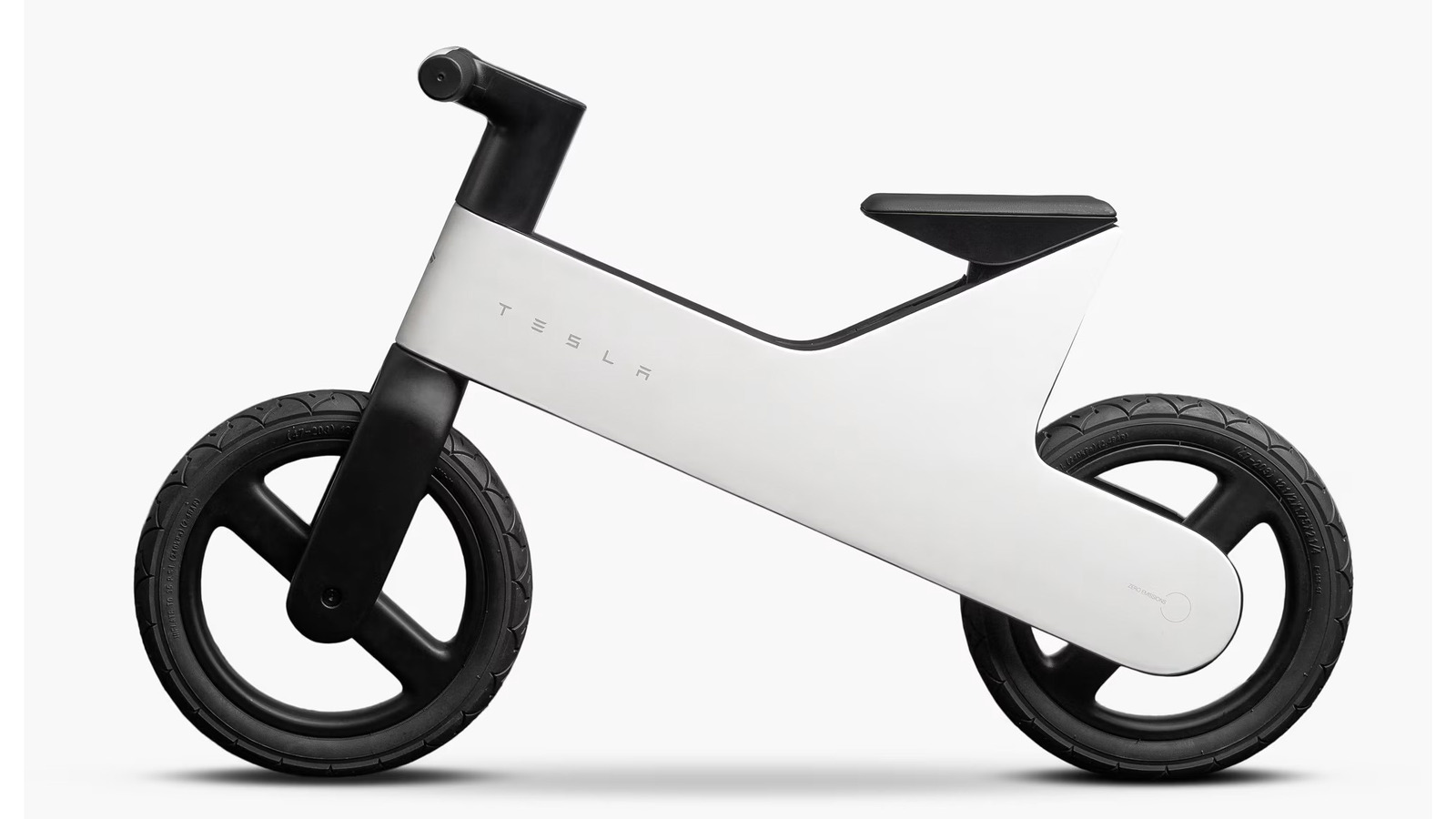
Tesla's selling a $225 balance bike for toddlers
Engadget

Philippine Daily Inquirer
TechnologyJul 17, 2026 · 1 min
Tarriela to Padilla: WPS transparency is not ‘wartime propaganda’
Philippine Daily Inquirer