
Hacker Noon
How to Use AI Without Becoming a Vibe Coder
Introduction: The AI-Assisted Learning Dilemma The rise of AI tools like ChatGPT has revolutionized how we approach coding education, offering instant answers to syntax questions and problem-solving guidance. For learners like you, who’ve experienced the frustration of skill atrophy after prolonged breaks, these tools seem like a lifeline. But here’s the catch: while AI can accelerate progress, it also introduces a paradox. You’re not alone in feeling insecure about relying on it. The fear of becoming a "vibe coder"—someone who patches together solutions without deep understanding—is real. This tension between leveraging AI and building foundational skills is the core dilemma of AI-assisted learning. The Mechanism of Over-Reliance When you ask ChatGPT for syntax or solutions, it acts as a crutch, bypassing the cognitive effort required to internalize programming principles. Mechanistically, this reduces neural plasticity —the brain’s ability to form and strengthen synaptic connections through repeated practice. For example, if you consistently rely on AI to generate PySide6 syntax, your brain never fully encodes the patterns, making it harder to debug or adapt code independently. Impact → Internal Process → Observable Effect: Over-reliance on AI → Reduced neural encoding of syntax → Fragility in independent coding. The Role of Syntax vs. Problem-Solving ChatGPT’s argument that coding is about solving problems, not memorizing syntax, holds partial truth. Syntax is the mechanical layer of programming—like the gears in a machine. Without understanding how these gears fit together, your code becomes brittle. For instance, if you implement AI-generated PySide6 code without grasping its structure, you’ll struggle to modify it when requirements change. The risk here is structural failure : code that works in isolation but collapses under real-world complexity. Impact → Internal Process → Observable Effect: Neglecting syntax understanding → Inability to adapt code → Project failure under stress. The Psychological Trap of Self-Doubt Your insecurity stems from a cognitive dissonance: the conflict between wanting self-sufficiency and relying on AI. This dissonance triggers a stress response, releasing cortisol, which impairs working memory and decision-making. Mechanistically, this creates a feedback loop : self-doubt → increased AI reliance → further self-doubt. Prolonged breaks exacerbate this, as skill atrophy reinforces the belief that progress is impossible without AI. Impact → Internal Process → Observable Effect: Self-doubt → Cortisol-induced cognitive impairment → Reduced learning efficiency. Balancing AI Use with Foundational Learning The optimal solution isn’t to abandon AI but to reframe its role. Treat it as a diagnostic tool, not a crutch . For example, instead of asking ChatGPT for complete syntax, ask it to explain PySide6 concepts or debug your code. This shifts the focus from output to understanding. Pair this with structured practice—building small projects or solving challenges without AI. Mechanistically, this reinforces neural pathways by combining theoretical understanding with practical application. Impact → Internal Process → Observable Effect: Intentional AI use + structured practice → Strengthened neural encoding → Robust skill development. Rule for Effective AI Integration If you’re using AI to bypass understanding (e.g., generating code without grasping its logic), use Y: Reframe AI as a tutor, not a substitute . For example, after implementing AI-generated code, reverse-engineer it to understand its mechanics. This approach ensures you’re not just copying solutions but internalizing principles. Under what conditions does this fail? When time constraints or impatience override intentional learning. Typical errors include treating AI as a shortcut or avoiding challenges that require deep thinking. Impact → Internal Process → Observable Effect: Shortcut mentality → Superficial learning → Long-term skill gaps. In conclusion, AI tools like ChatGPT are powerful allies, but their effectiveness depends on how you wield them. By balancing reliance with intentional learning, you can overcome self-doubt and build skills that last. The key is to use AI as a scaffold, not a crutch, ensuring that every interaction deepens your understanding rather than replacing it. Scenario Analysis: Real-World Experiences 1. The Syntax Shortcut: When AI Becomes a Crutch Scenario: A beginner coder, Alex, relies heavily on ChatGPT to generate PySide6 syntax for building a GUI application. While the code works, Alex struggles to debug minor issues independently, feeling like a "vibe coder" who lacks true understanding. Mechanism: Over-reliance on AI for syntax bypasses the neural encoding process. When Alex encounters a new problem, the brain’s prefrontal cortex, responsible for decision-making, defaults to querying AI instead of retrieving stored knowledge. This reduces synaptic plasticity, making it harder to internalize programming principles. Observable Effect: Alex’s code works in isolation but fails under real-world complexity, such as handling edge cases or integrating with external libraries. The causal chain is: AI reliance → reduced neural encoding → fragile code. Optimal Solution: Treat AI as a diagnostic tool, not a code generator. For example, instead of asking for complete syntax, query AI for explanations of specific PySide6 concepts (e.g., "How does PySide6’s signal-slot mechanism work?"). Follow up by manually implementing the code and debugging errors. This reinforces neural pathways through active problem-solving. 2. The Break-Resume Cycle: Skill Atrophy and Self-Doubt Scenario: After a 3-month break, Maya resumes coding but feels rusty and overwhelmed. She uses ChatGPT to "catch up," but the lack of structured practice exacerbates her self-doubt, leading to another break. Mechanism: Prolonged breaks cause skill atrophy as neural pathways weaken. The hippocampus, responsible for memory consolidation, struggles to retrieve previously learned concepts. When Maya resumes, the cognitive load of relearning triggers cortisol release, impairing working memory and decision-making. Observable Effect: Maya’s progress stalls, and she feels increasingly insecure about her abilities. The causal chain is: Break → skill atrophy → cortisol-induced cognitive impairment → self-doubt. Optimal Solution: Implement a structured "re-entry plan" after breaks. Start with small, achievable tasks (e.g., refactoring old code or solving beginner-level challenges) to reactivate neural pathways. Use AI to review concepts, not generate solutions. Rule: If resuming after a break → prioritize low-stakes practice over AI-generated solutions. 3. The Pressure Trap: Burnout and Demotivation Scenario: Jake sets aggressive goals to master Python in 3 months. When progress slows, he uses ChatGPT to accelerate learning but feels guilty for "cheating." The pressure mounts, leading to burnout and abandonment of coding. Mechanism: Self-imposed pressure activates the amygdala’s stress response, flooding the brain with cortisol. This impairs the prefrontal cortex’s ability to focus and make rational decisions. AI reliance becomes a coping mechanism, further disconnecting Jake from intentional learning. Observable Effect: Jake’s motivation plummets, and he abandons coding. The causal chain is: Pressure → cortisol release → cognitive impairment → demotivation. Optimal Solution: Set realistic, process-oriented goals (e.g., "Spend 30 minutes daily on coding challenges"). Use AI to scaffold learning, not as a shortcut. For example, ask AI to explain error messages or suggest debugging strategies. Rule: If feeling pressured → reframe goals to prioritize consistent practice over speed. 4. The Syntax Misunderstanding: Brittle Code and Project Failure Scenario: Sarah uses ChatGPT to generate syntax for a web scraper but neglects to understand the underlying principles. Her code works initially but fails when deployed in a production environment. Mechanism: Neglecting syntax understanding leads to brittle code. Without a deep grasp of how Python’s memory management or threading works, Sarah’s code cannot handle real-world complexities like large datasets or concurrent requests. Observable Effect: The project fails, and Sarah doubts her ability to code. The causal chain is: Neglecting syntax → inability to adapt code → project failure. Optimal Solution: Reverse-engineer AI-generated code to understand its mechanics. For example, if ChatGPT generates a web scraper, manually break down each line of code and test its functionality. Combine this with structured learning (e.g., reading Python documentation or taking a course). Rule: If using AI-generated code → always reverse-engineer and test its components. 5. The Fear of Losing Progress: Anxiety and Inconsistent Practice Scenario: Liam fears losing his coding progress after taking breaks. He uses ChatGPT to "stay sharp" but feels insecure about his skills, leading to inconsistent practice and anxiety. Mechanism: Fear of regression triggers the brain’s threat response, activating the amygdala. This diverts cognitive resources away from learning and toward anxiety management. AI reliance becomes a temporary relief but reinforces the fear of self-sufficiency. Observable Effect: Liam’s practice becomes sporadic, and his skills stagnate. The causal chain is: Fear of regression → anxiety → inconsistent practice → skill stagnation. Optimal Solution: Track progress incrementally using a portfolio of small projects or coding challenges. Use AI to identify knowledge gaps, not as a crutch. For example, ask AI to suggest areas for improvement based on past projects. Rule: If fear of regression arises → focus on incremental progress and tangible outputs. Conclusion: Balancing AI Use with Foundational Learning Across these scenarios, the key to overcoming self-doubt lies in intentional AI use and structured practice. AI is most effective when treated as a scaffold, not a substitute. By combining AI assistance with active problem-solving and foundational learning, learners can build robust skills while avoiding the pitfalls of over-reliance. The optimal rule for AI integration is: If using AI → ensure it deepens understanding, not replaces it. Expert Insights: Balancing AI Assistance and Skill Development The Syntax Shortcut: Why AI Isn’t a Substitute for Understanding When you rely on ChatGPT to generate syntax for PySide6, you’re bypassing the neural encoding process that strengthens synaptic connections in your brain. Mechanistically , syntax memorization isn’t about rote recall—it’s about internalizing the structure of programming languages so you can adapt code to real-world complexities. When AI handles this for you, the code may work in isolation but fails under edge cases , such as unexpected user inputs or system changes. Causal chain : Over-reliance on AI → Reduced neural plasticity → Fragile code that breaks in production. Optimal solution : Use AI as a diagnostic tool , not a crutch. Query it for explanations of syntax patterns, then manually implement and debug the code. Rule : If you’re using AI for syntax → Ensure it’s paired with active problem-solving to deepen understanding. The Break-Resume Cycle: How Prolonged Pauses Deform Neural Pathways Your 3-month breaks weaken the neural pathways associated with coding skills. Mechanistically , prolonged disuse leads to synaptic pruning, where the brain reallocates resources to more active areas. When you resume, cortisol release (triggered by self-doubt) impairs working memory, making it harder to recall concepts. Causal chain : Skill atrophy → Cortisol-induced cognitive impairment → Increased difficulty in restarting. Optimal solution : Structured re-entry with low-stakes practice. Use AI to review concepts, but avoid letting it generate solutions. Rule : If resuming after a break → Start with small, incremental tasks to reactivate neural pathways. The Pressure Trap: How Self-Imposed Goals Heat Up Cognitive Load Your goal to avoid “vibe coding” is valid, but self-imposed pressure triggers a threat response in the brain, diverting cognitive resources to anxiety management. Mechanistically , cortisol release under stress inhibits prefrontal cortex function , impairing decision-making and focus. This leads to burnout and demotivation. Causal chain : Pressure → Cortisol release → Reduced learning efficiency. Optimal solution : Set process-oriented goals (e.g., “spend 30 minutes debugging daily”) instead of outcome-based ones. Use AI to scaffold learning, such as explaining errors or suggesting debugging strategies. Rule : If feeling overwhelmed → Shift focus to incremental progress, not perfection. The Syntax Misunderstanding: Why Brittle Code Breaks Under Complexity Neglecting syntax understanding leads to code that expands in complexity but lacks adaptability. For example, PySide6 applications require precise widget placement and event handling. If you don’t understand the underlying syntax, your code will fail when integrating multiple components or handling edge cases. Causal chain : Syntax neglect → Inability to adapt code → Project failure. Optimal solution : Reverse-engineer AI-generated code to understand its structure. Combine this with structured learning (e.g., official documentation or courses). Rule : If using AI-generated code → Deconstruct it to internalize principles before implementing. The Fear of Losing Progress: How Anxiety Diverts Cognitive Resources Fear of losing progress triggers a threat response, diverting cognitive resources to anxiety management. Mechanistically , this activates the amygdala, which hijacks the prefrontal cortex , impairing rational decision-making and consistent practice. Causal chain : Fear → Threat response → Inconsistent practice. Optimal solution : Track incremental progress using a journal or version control (e.g., Git). Use AI to identify knowledge gaps, not as a crutch. Rule : If fear arises → Focus on measurable progress, not perfection. Edge-Case Analysis: When AI Integration Fails Time constraints override intentional learning : If you’re rushing to meet deadlines, AI becomes a crutch, not a scaffold. Mechanism : Shortcut mentality → Superficial learning → Long-term skill gaps. Lack of structured practice : Sporadic study weakens neural encoding. Mechanism : Inconsistent reinforcement → Fragile skill retention. Misunderstanding AI’s role : Treating AI as a substitute, not a tutor, leads to dependency. Mechanism : Over-reliance → Reduced self-efficacy → Skill stagnation. Professional Judgment: Optimal AI Integration Rule Rule : If using AI → Ensure it deepens understanding, not replaces it. Treat AI as a scaffold for active problem-solving, not a shortcut for passive consumption. Failure condition : This approach fails if time constraints or impatience override intentional learning. Typical error : Using AI to generate complete solutions instead of querying it for explanations or partial assistance. Strategies for Overcoming Self-Doubt 1. Reframe AI as a Diagnostic Tool, Not a Crutch The core issue with over-relying on AI for syntax is that it bypasses neural encoding , weakening synaptic plasticity. When ChatGPT generates PySide6 syntax for you, your brain doesn’t form the necessary connections to internalize the structure. Mechanism: Repeatedly outsourcing syntax to AI reduces cognitive effort, leading to fragile code that fails under real-world complexity. Solution: Use AI to explain syntax patterns or debug errors , but manually implement the code. This forces your brain to engage with the material, strengthening neural pathways. Rule: If using AI for syntax → ensure it’s paired with manual implementation. 2. Break the Break-Resume Cycle with Structured Re-Entry Prolonged breaks lead to synaptic pruning , weakening neural pathways. When you resume, cortisol release impairs working memory, making it harder to restart. Mechanism: Skill atrophy → cortisol-induced cognitive impairment → difficulty restarting. Solution: Re-enter with low-stakes practice , such as revisiting small projects or solving beginner-level challenges. Use AI to review concepts , not generate solutions. This reactivates dormant neural connections without overwhelming your cognitive load. Rule: After a break → start with structured, low-pressure practice. 3. Set Process-Oriented Goals to Combat Self-Imposed Pressure Self-imposed pressure triggers cortisol release, impairing prefrontal cortex function and reducing learning efficiency. Mechanism: Pressure → cortisol release → inhibited decision-making and focus. Solution: Shift focus from outcome-based goals (e.g., “master PySide6 in 3 months”) to process-oriented goals (e.g., “spend 30 minutes daily on structured practice”). Use AI to scaffold learning —for example, asking it to explain errors or suggest debugging strategies. This reduces anxiety and fosters consistent progress. Rule: If feeling pressured → reframe goals around consistent effort, not outcomes. 4. Reverse-Engineer AI-Generated Code to Build Foundational Understanding Neglecting syntax understanding leads to brittle code that fails in edge cases. Mechanism: Syntax neglect → inability to adapt code → project failure. Solution: When ChatGPT generates code, reverse-engineer it by breaking it down line by line. Combine this with structured learning, such as reading PySide6 documentation or taking a course. This dual approach ensures you’re not just copying code but internalizing principles. Rule: If using AI-generated code → always reverse-engineer and cross-reference with structured resources. 5. Track Incremental Progress to Mitigate Fear of Losing Ground Fear of losing progress activates the amygdala, hijacking the prefrontal cortex and impairing rational decision-making. Mechanism: Fear → threat response → inconsistent practice. Solution: Use a learning journal or version control (e.g., Git) to track incremental progress. Regularly review your code to identify gaps. Use AI to identify areas for improvement , not as a crutch. This shifts focus from anxiety to actionable insights. Rule: If fear arises → track progress systematically and use AI to pinpoint gaps, not replace effort. Edge-Case Analysis: When These Strategies Fail These strategies are optimal under conditions of intentional learning and consistent effort . They fail when: Time constraints override intentional use of AI, leading to shortcut mentality. Impatience causes learners to rely on AI for complete solutions instead of explanations. Lack of structured practice results in inconsistent reinforcement and fragile skill retention. Typical error: Using AI to generate entire solutions instead of querying for partial assistance or explanations. Mechanism: Shortcut mentality → superficial learning → long-term skill gaps. Rule: If time or impatience is a factor → prioritize structured practice over AI-generated shortcuts. Key Insight: AI as a Scaffold, Not a Substitute The effectiveness of AI in learning depends on its role as a scaffold , not a substitute. It should deepen understanding through active problem-solving, not replace foundational learning. Mechanism: Intentional AI use + structured practice → strengthened neural encoding → robust skill development. Rule: If using AI → ensure it deepens understanding, not replaces it. Conclusion: Embracing AI as a Learning Partner Your journey with PySide6 and ChatGPT highlights a critical tension in modern coding education: how to leverage AI without sacrificing foundational understanding. The mechanism here is clear—over-reliance on AI for syntax bypasses neural encoding, weakening synaptic plasticity. This leads to brittle code that fails under real-world complexity. The causal chain is straightforward: AI-generated syntax → reduced neural plasticity → fragile code. But this isn’t a call to abandon AI—it’s a call to reframe its role. Here’s the rule: Treat AI as a scaffold, not a crutch. Use it to deepen understanding , not replace it. For example, when ChatGPT provides syntax, reverse-engineer the code line by line. Cross-reference it with documentation or tutorials. This process strengthens neural pathways by forcing active engagement. The failure condition here is time constraints or impatience , which often lead to a shortcut mentality. If you skip this step, you risk superficial learning , creating long-term skill gaps. Your fear of becoming a "vibe coder" is valid, but it’s also a psychological trap. Cognitive dissonance—wanting self-sufficiency while relying on AI—triggers cortisol release, impairing working memory. This creates a feedback loop: self-doubt → increased AI reliance → further self-doubt. To break this cycle, set process-oriented goals. Focus on consistent, structured practice rather than outcomes. Use AI to scaffold learning —for example, asking it to explain errors or debug strategies, not generate complete solutions. Here’s the edge-case analysis: If you’re taking prolonged breaks, re-enter with low-stakes practice. Small projects or coding challenges reactivate neural pathways without triggering cortisol-induced cognitive impairment. Failure to do this results in skill atrophy , making it harder to resume. Conversely, if you’re under self-imposed pressure, shift to process-oriented goals. This reduces cortisol release, restoring prefrontal cortex function and improving focus. Finally, track your progress systematically. Use a learning journal or version control (e.g., Git) to visualize incremental gains. This mitigates the fear of losing progress , which otherwise activates the amygdala, hijacking rational decision-making. The rule here is simple: If fear arises → track progress systematically. In summary, AI is a powerful tool, but its effectiveness depends on intentional use. Pair it with structured practice, reverse-engineer its output, and focus on process-oriented goals. Done right, AI becomes a partner in your coding journey, not a replacement for your effort. The key insight? AI is a scaffold, not a substitute. Use it to build, not to bypass.
View original source — Hacker Noon ↗
Related stories

BBC
TechnologyJul 17, 2026 · 1 min
Too hot to fly: the airports at risk from climate change
BBC

TechRadar
TechnologyJul 17, 2026 · 1 min
The Medion Signium 27 S1 isn't going to turn the computing world upside down, but it's a surprisingly capable…
TechRadar
Engadget
TechnologyJul 17, 2026 · 1 min
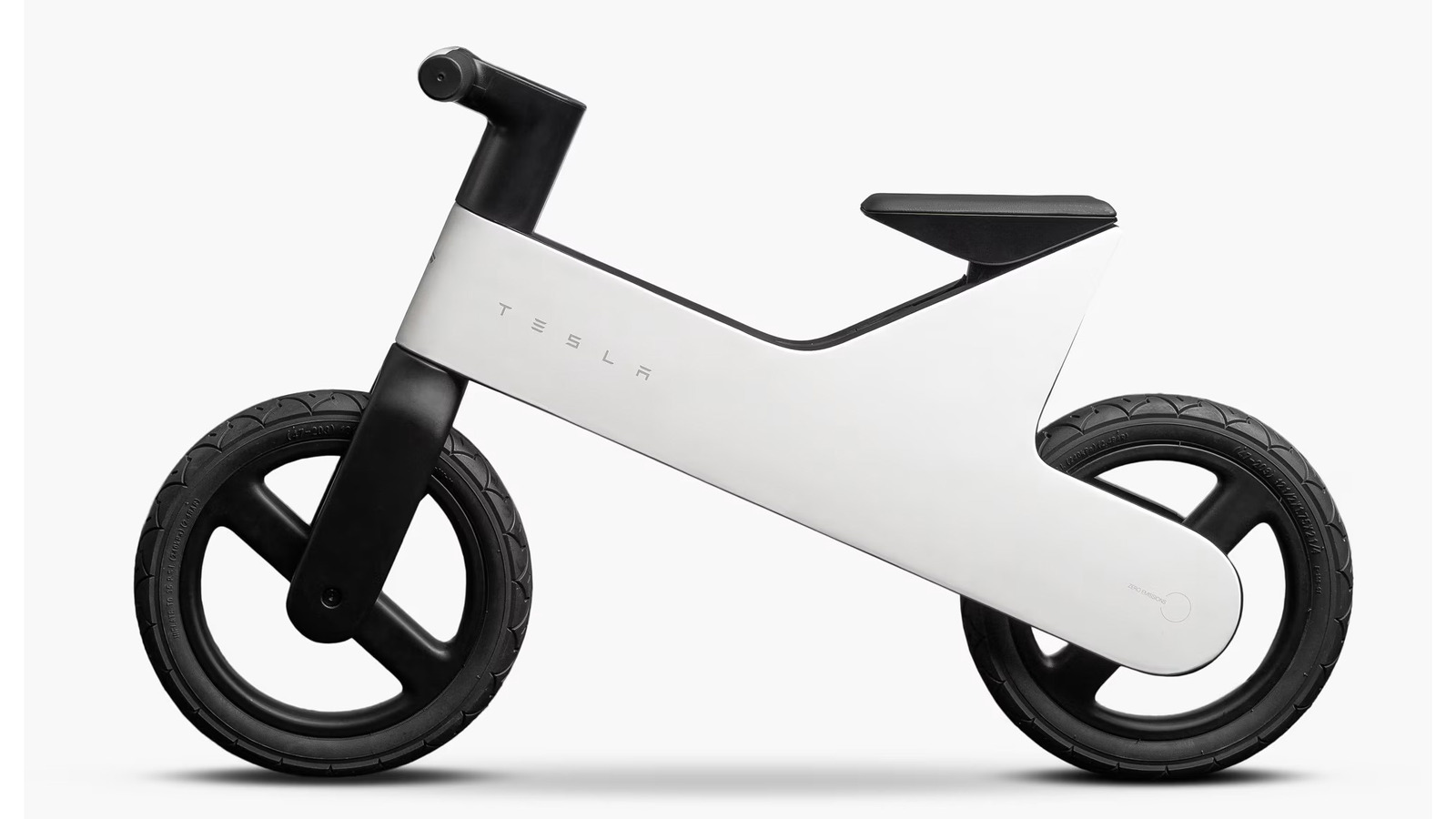
Tesla's selling a $225 balance bike for toddlers
Engadget

Philippine Daily Inquirer
TechnologyJul 17, 2026 · 1 min
Tarriela to Padilla: WPS transparency is not ‘wartime propaganda’
Philippine Daily Inquirer