
Hacker Noon
How DeepSeek Helped Ship Two Offline Desktop Search Tools
In January 2026, I decided to test the real limits of AI-assisted development. Coming from a strong background in other programming languages but with minimal Python experience, I set a clear goal: use DeepSeek as my main development partner to design, build, test, document, and ship two full-featured desktop search applications within six months.The result exceeded expectations. Today, Desktop Search Light and Desktop Search Pro are complete, privacy-focused tools available as portable executables. They offer fast local search, deep metadata indexing across dozens of formats, optional offline AI capabilities, and a clean PySide6 interface. Project Scope and Results Desktop Search Light serves professionals who need reliable, private search (lawyers, accountants, office workers). Desktop Search Pro targets creators with advanced needs — natural language queries, audio/video transcription, and semantic search — all running 100% offline.Key Technical Stats (Light version): GUI layer: 30 files, 16,976 total lines (~12,848 code lines), 0.73 MB Indexer layer: 22 files, 13,539 total lines (~10,341 code lines), 0.56 MB Combined core: 52 files, ~30.5k lines, ~1.3 MB total source Average file size: ~25 KB Zero parsing errors during analysis Clean modular architecture with no circular dependencies Both applications are packaged as single EXEs via PyInstaller, require no admin rights, and run from USB drives. The AI Collaboration Model DeepSeek acted as architect, coder, reviewer, tester, and technical writer. My workflow relied on highly targeted prompts: Dependency-aware fixes: Feeding dependency diagrams and reports to identify exactly which scripts needed updates. Constrained edits: “Provide the full code with corrections, but do not change unrelated functions.” Specialized tooling: Requests for advanced utilities such as an AST-based code aggregator and a comprehensive SQLite documentor. Multi-audience documentation: Prompts that generated executive summaries for stakeholders, detailed technical references for developers, and honest “Technical Deep Dive” documents for potential clients. This structured prompting approach proved critical for maintaining quality and control. Custom Tooling Created with DeepSeek Three notable internal tools significantly improved productivity and quality: Python Code Aggregator — Scans the project, separates GUI and indexer concerns, uses AST parsing to extract classes, methods with signatures, call graphs, and generates detailed dependency diagrams and structure reports. SQLite Database Documentor — Analyzes the application database, extracts schemas and statistics, computes data quality scores, identifies performance issues, and produces rich HTML/Markdown documentation. GUI Menu Spider Test Harness — An automated test suite that dynamically discovers and triggers every menu action in the live application, intelligently handles dialogs, tests settings persistence, and reports errors. A comprehensive Workflow Orchestrator script ties everything together: it cleans previous artifacts, runs code aggregation, resets the database, indexes test files, generates documentation, and executes multiple test suites — logging all output for easy review and feeding back into DeepSeek for analysis. Architecture and Quality Assurance The application maintains strong separation between the GUI frontend (with specialized components for Office, Blender, Premiere, etc.) and the backend indexer (extractor factory pattern, robust metadata handling). Automated tests achieved 100% success on indexing sample files across multiple formats in Light mode, with clear performance metrics and error reporting.DeepSeek’s analysis of workflow logs produced professional reports covering architecture, statistics, performance, recommendations, and future improvements. Key Lessons Strengths of the Approach Rapid iteration on complex features. High-quality supporting tooling and documentation. Maintainable architecture despite heavy AI involvement. Effective automated testing and self-analysis capabilities. Challenges and Mitigations Occasional hallucinations or suboptimal patterns required strict prompting constraints and validation. The greatest gains came from building meta-tools (aggregator, documentor, test spider) rather than generating application code alone. Conclusion This six-month experiment demonstrates that frontier coding LLMs like DeepSeek can function as genuine development partners when combined with experienced engineering judgment, structured prompting, automated testing, and a focus on supporting infrastructure.The result is not perfect code magically written by AI, but a complete, tested, documented, and shippable software product delivered at an accelerated pace. In 2026, mastering the orchestration of AI tools alongside traditional software engineering practices may well define the most productive developers.The applications, documentation, and workflow tools are available via the project website. I welcome feedback from the community on both the products and the development methodology used.
View original source — Hacker Noon ↗
Related stories

BBC
TechnologyJul 17, 2026 · 1 min
Too hot to fly: the airports at risk from climate change
BBC
TechRadar
TechnologyJul 17, 2026 · 1 min
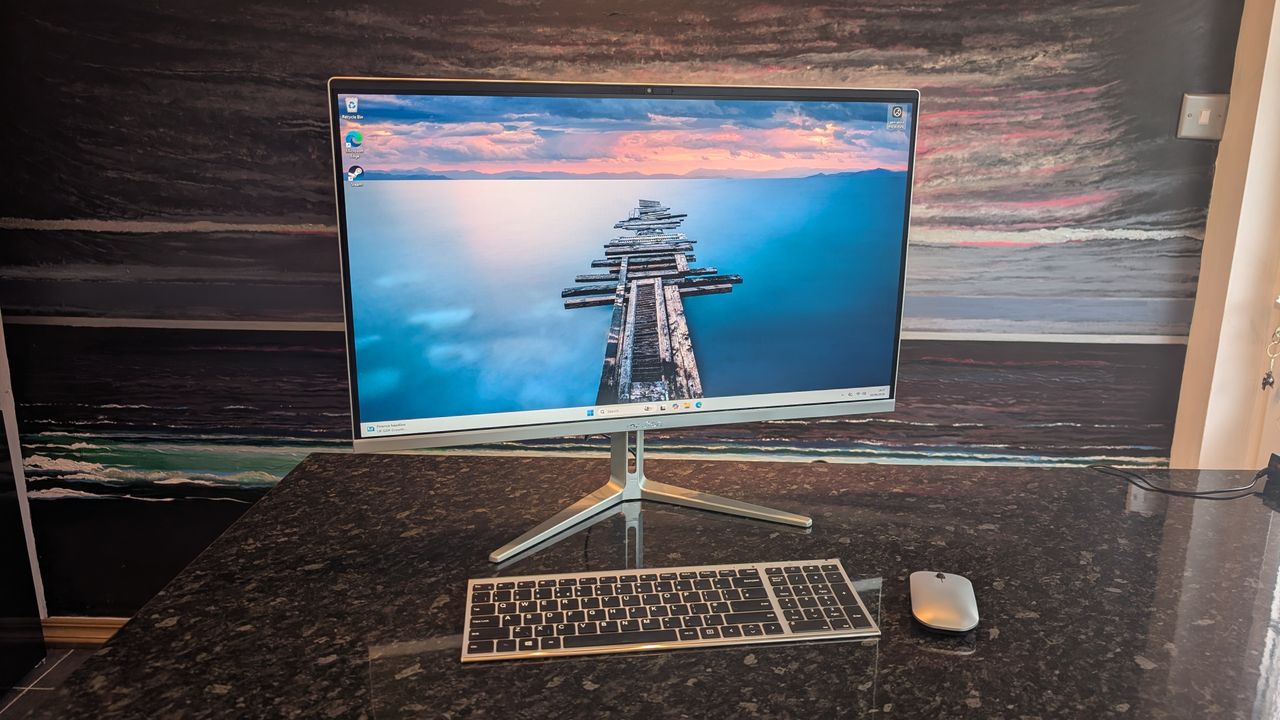
The Medion Signium 27 S1 isn't going to turn the computing world upside down, but it's a surprisingly capable…
TechRadar
Engadget
TechnologyJul 17, 2026 · 1 min
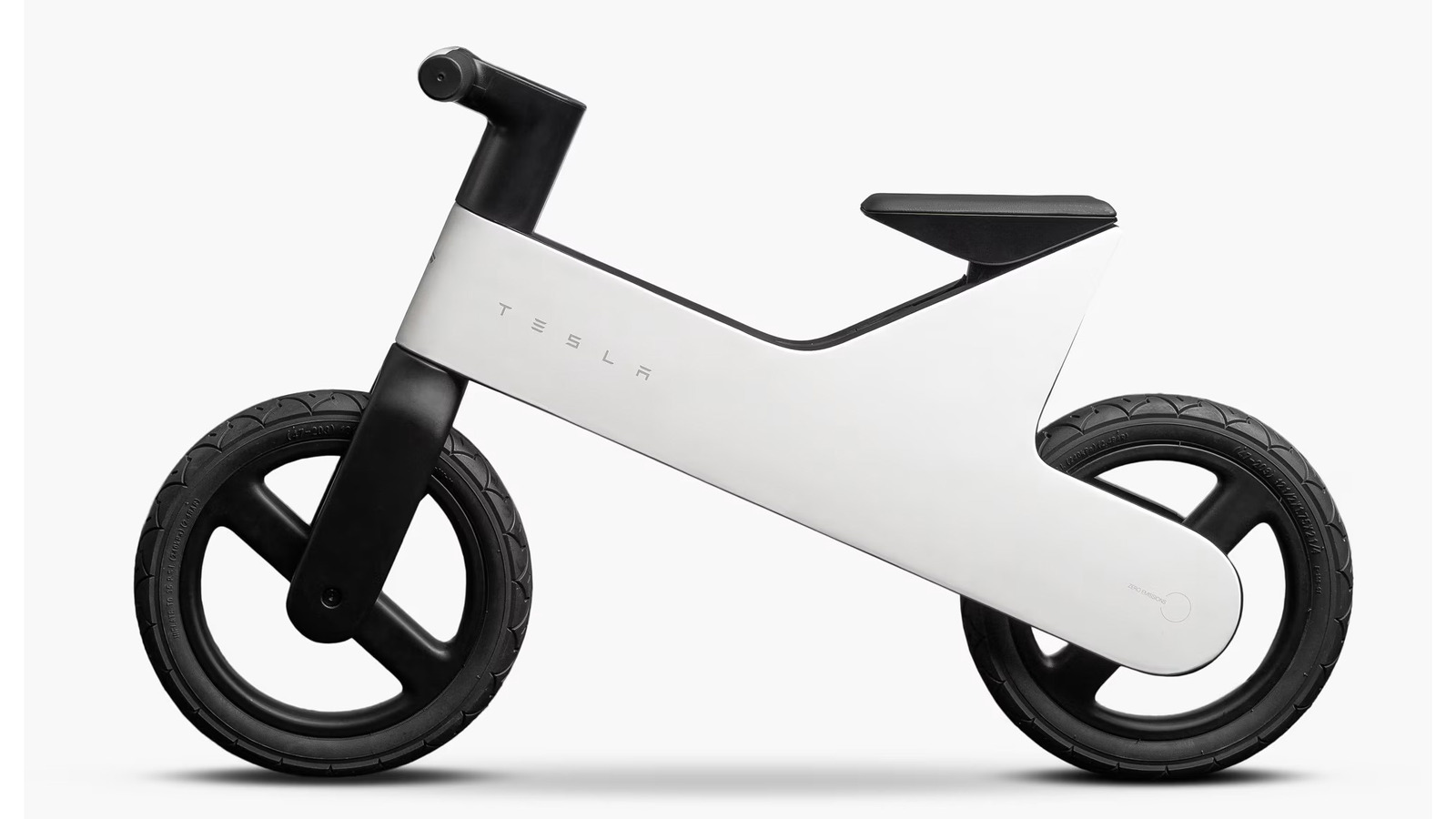
Tesla's selling a $225 balance bike for toddlers
Engadget

Philippine Daily Inquirer
TechnologyJul 17, 2026 · 1 min
Tarriela to Padilla: WPS transparency is not ‘wartime propaganda’
Philippine Daily Inquirer