
BBC
How the World Cup made an 'NFL-obsessed' American a football fan
The well-documented shenanigans of Scotland's "Tartan Army" football fans in Boston was what first drew Indiana car salesman Jamie Druley to the World Cup - and now the sport has him fully hooked.
"I thought, you know what? I'm going to watch some of this World Cup and see what made these people travel, in many cases, thousands of miles, and spending thousands of dollars… to be here to support their nation in this worldwide competition," father-of-three Druley, 51, told the BBC.
Before long, his wife was texting him from the bedroom with instructions to quieten down as he screamed at the television in the living room.
When things were slow at work, he and colleagues put on matches in the showroom; the England semi-final against Argentina became "heated" with banter and yelling, he says - ending with a bet between Druley and his boss for Sunday's final.
The self-described "NFL-obsessed" Druley is even considering buying season tickets to his new local football club, Fort Wayne FC, which opened a 9,200-seat home stadium this year.
And he's not alone in this newfound passion - with countless Americans proclaiming themselves avid new football fans thanks to the United States co-hosting the 2026 tournament.
Fox reported that 30 million viewers watched its broadcast of the USA's loss to Belgium, which Fox said made it the most-watched English-language soccer broadcast in US history.
An average of 5.1 million US viewers tuned in across 72 matches on Fox, FS1 and Tubi, marking a 92% increase from the 2022 World Cup, according to Nielsen Media Research.
Pennsylvania mother Courtney Silbaugh, 33, was among those fans.
"I've watched every game, except for six games," said Silbaugh, who describes herself as "not a sports spectator at all".
"I tried to watch [American] football; it didn't work," she said. "I went to a couple of baseball games, but I don't have the best vision so it's hard to see the ball. I just couldn't comprehend most of it."
But now she is "obsessed" and said her favourite sport is "definitely soccer". "I'm understanding the game more while watching the World Cup… versus watching recreational leagues".
Banker and grandmother Heather Earhart, 54, has also caught the football bug. Her son-in-law is a high school soccer coach, and her grandchildren play, but she'd previously attended games and found herself "always just kind of scratching my head [at] what's going on".
Earhart, who lives in Indiana, said she had become "fully enamoured into this England deal with the Hey Jude and the Wonderwall song by Oasis".
She told the BBC she found herself playing those songs while cleaning her kitchen. "And I hop on YouTube first thing in the morning to see the scores."
She's been "watching the 101 on like, how to kick the ball, and how to make it curve and the rules… I've really enjoyed it."
Earhart might start following a Manchester team, she says, and possibly English star Jude Bellingham's team Real Madrid.
"There's a soccer bar in Indianapolis, and I can't wait to go back and kind of have an idea of what I'm looking at," she said.
The surge in US interest isn't limited to viewership, according to those working in the sport.
Nate Roberts, 40, is originally from Lincoln, England - but has been living in the US for more than a decade and works as a fitness instructor and soccer coach in Connecticut.
Roberts said they are starting a pickup league at his organisation in the next few weeks because of the sheer amount of phone calls and messages they have received during the World Cup.
For ages 18 and over, it will be a "beer league," he said (noting that only those over 21 will be legally able to imbibe).
"We're noticing players that are looking for that rec experience or that first opportunity to start their soccer journey," Roberts said.
He estimated he's personally receiving between 10 and 20 emails a week, the majority from parents interested in involving their children in the sport. When it comes to requests on social media, Roberts said the number is about double.
Much of the enthusiasm centres on what Americans have identified as positivity, sportsmanship and global camaraderie displayed by World Cup fans celebrating together in North America.
"It sounds cliche as can be, but the whole world getting along, in the way that I saw them doing while here in America, visiting for the World Cup, was just eye-opening to me," said Druley, who's considering following Manchester City and "maybe some MLS stuff here".
"As silly as a game or a sport may be to some people, seeing people come together the way that they did over this was just truly amazing to me," he says. "It was… maybe what the world needs right now, you know?"
Just don't ask him to call the sport "football".
"I know that the entire world outside of us pretty much calls it football, but I am so ingrained in American football that I just cannot call it anything but soccer," he said.
"I have my limits."
Related stories

ESPN
SportsJul 17, 2026 · 1 min
Herbert matches major record with 62 at Open
ESPN

ESPN
SportsJul 17, 2026 · 1 min
PLL/WLL Week 9 preview: Everything to know for Fai...
ESPN

The Punch
SportsJul 17, 2026 · 1 min
NBA president denies rigging claims, says poll process independent
The Punch
Sky Sports
SportsJul 17, 2026 · 1 min
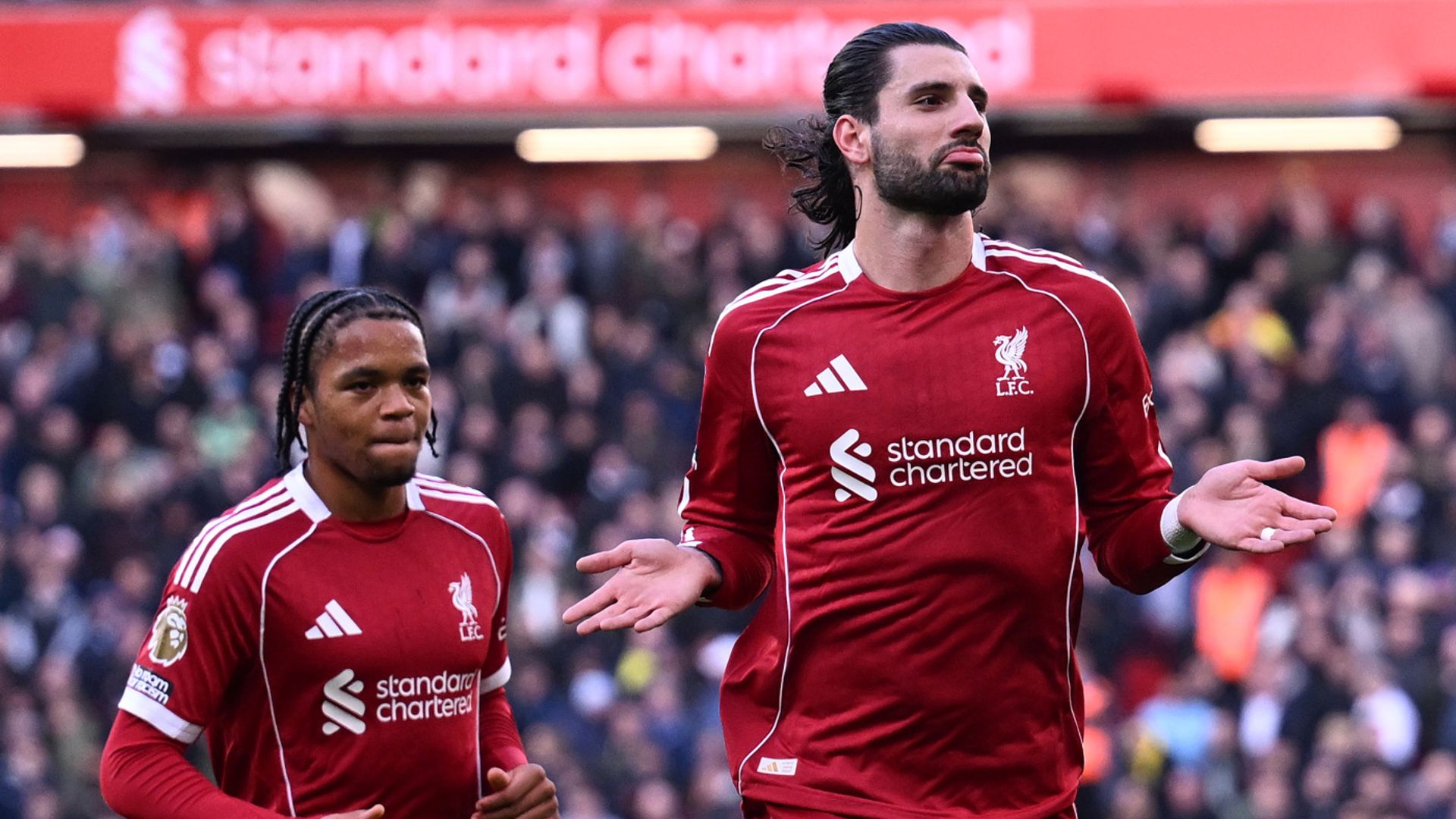
Szoboszlai signs new long-term Liverpool deal
Sky Sports