Indian Express
Saharanpur court orders mosque’s eviction from govt land, slaps Rs 6.41 crore penalty
4 min readLucknowUpdated: Jul 17, 2026 07:28 PM IST
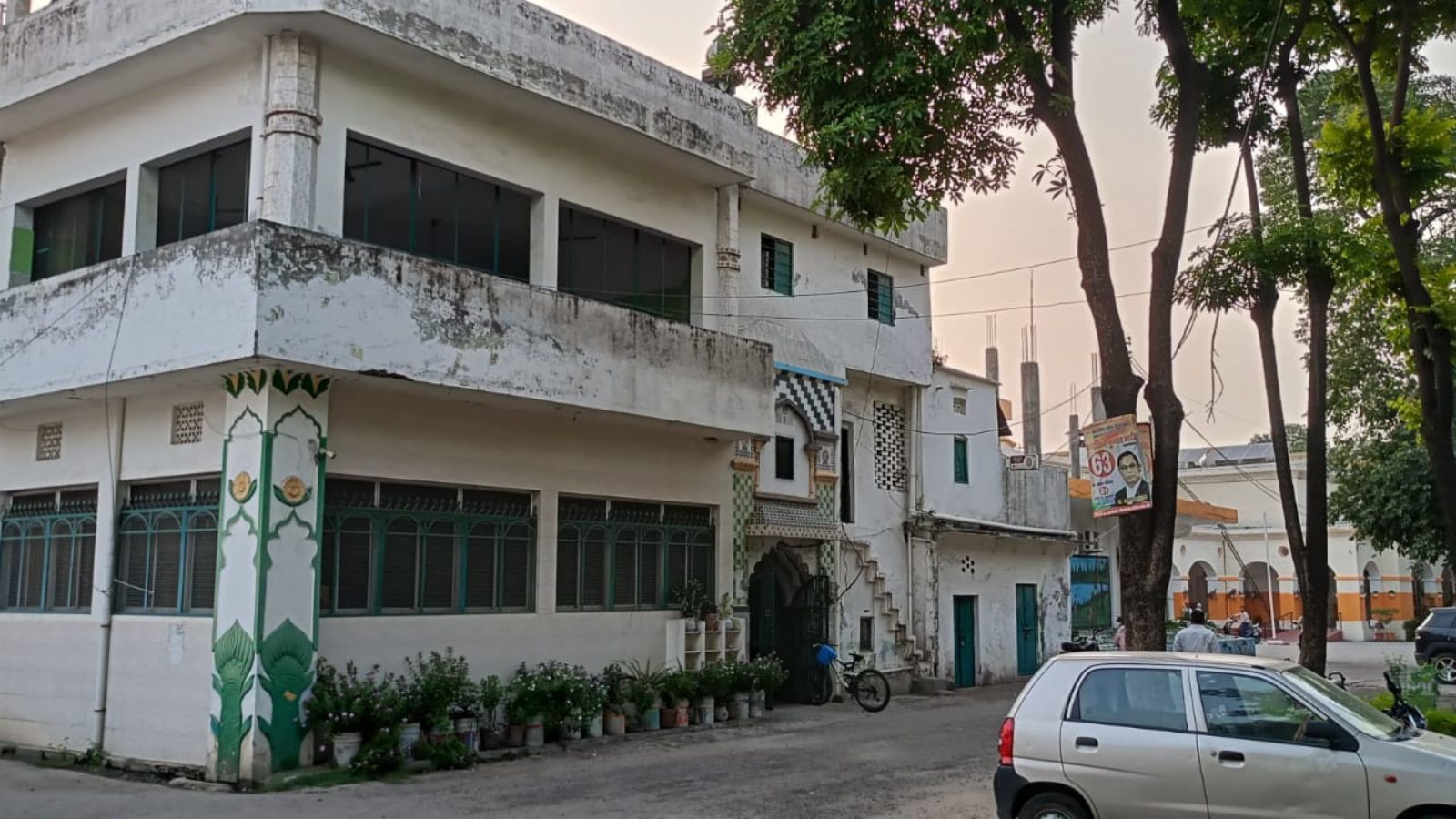
The mosque inside the Saharanpur Collectorate campus. (Express Photo)
Holding that a mosque inside the Saharanpur Collectorate campus is an unauthorised structure, a city magistrate court ordered its eviction in 30 days. It also imposed a cost of Rs 6.41 crore for the ‘unauthorised occupation’ of government land, directing that it be recovered from the unauthorised occupants.
The order was passed under the Uttar Pradesh Public Premises (Eviction of Unauthorised Occupants) Act, 1972. Mutwali Tanveer Ahmed claimed the mosque is 150 years old, adding that they will file a revision petition against the order.
City Magistrate, Saharanpur, Kuldeep Singh told The Indian Express that the occupants have been given 30 days to vacate the 315-square-metre parcel of land, failing which authorities will carry out the eviction.
He said proceedings were initiated after the Revenue Department conducted an inquiry into a complaint filed by one Vikas Tyagi, who alleged the mosque had been constructed on government land within the Collectorate campus.
In March 2025, a revenue official (Lekhpal) lodged a complaint against Abdul Hamid, the alleged manager and maulvi of the mosque, alleging unauthorised occupation of government property.
Notices were issued to the respondents in April 2025 and objections were filed on June 11 of that year.
Why did the authorities move court?
In his application to the city magistrate, the revenue official submitted that the land on which the mosque stands is part of the Collectorate campus and recorded in revenue records as government property.
Story continues below this ad
According to the petition, the building housing the mosque was originally constructed as a rest house for litigants visiting the Collectorate. It alleged that the respondents later encroached upon rooms on both the ground and first floors, began offering namaz there, rented out several rooms to third parties for residential use, and collected rent from a post office operating from the premises.
The petition further alleged that they carried out unauthorised construction, converting part of the government building into a religious structure.
The inquiry also found that the respondents possessed no licence, permission or other legal authority to reside within the Collectorate premises, accommodate third parties there, or convert the government building into a religious structure.
While the respondents relied on a purported letter issued by the Sunni Central Waqf Board, Lucknow, to stake their claim, the petition alleged it was forged and asserted that the property has been recorded in revenue records as Kachahri (Collectorate) and Kothiyat land and not as a religious site.
Story continues below this ad
The petition further argued that the Sunni Central Waqf Board has no legal authority to declare government land as Waqf property. It stated that although the respondents claimed to be the maulvi and mutawalli of the mosque, they failed to produce documentary evidence during the inquiry to substantiate those claims.
The petitioner sought recovery of the alleged illegally collected rent, along with penal rent. It also sought recovery of all rent allegedly realised from third parties during the period of unauthorised occupation, together with 12% compound interest, to be deposited in the government treasury.
What did the mosque side argue?
In their reply, the respondents argued that the petitioner had failed to establish the State’s ownership over the disputed property or produce any documentary evidence. They further contended that the revenue records relied upon by the petitioner reflected only the physical status of the land, not its ownership.
The respondents alleged that the petition had been filed with the ulterior motive of unlawfully taking over the mosque and the land on which it stands. They alleged that the petitioner had suppressed material facts and attempted to mislead the court by withholding relevant revenue records and other documents.
Story continues below this ad
Court’s ruling
The court stated that it had examined the evidence placed on record, and held that the respondents had failed to substantiate their claim over the disputed property, including the mosque, and had not produced any evidence to establish the land was their private property.
It observed that Khasra No. 539 has been recorded as Collectorate/Kachahri land in the revenue records since Fasli Years 1324 and 1359, and even earlier. On that basis, the court held that the land belongs to the State government and that occupation without lawful authority amounts to unauthorised occupation.
Taking into account the alleged unauthorised occupation of the 315 sqm parcel for a prolonged period, the court directed that compensation be calculated for 70 years, commencing from Fasli Year 1359, in accordance with the prescribed formula.
View original source — Indian Express ↗
Related stories

The Punch
WorldJul 17, 2026 · 1 min
VIDEO: Ododo receives rescued kidnap victims at Kogi government house
The Punch
The Punch
WorldJul 17, 2026 · 1 min
Rescued Kogi school victims receiving care — Police
The Punch
The Punch
WorldJul 17, 2026 · 1 min
I spent money campaigning for Obi, he never appreciated me – Isaac Fayose
The Punch

Philippine Daily Inquirer
WorldJul 17, 2026 · 1 min
Ultra Lotto jackpot rises to P137.99M after no July 17 draw winner
Philippine Daily Inquirer