Indian Express
Mahesh Tutorials shuts: Can parents get a refund? Here’s what you need to know
4 min readUpdated: Jul 17, 2026 06:29 PM IST
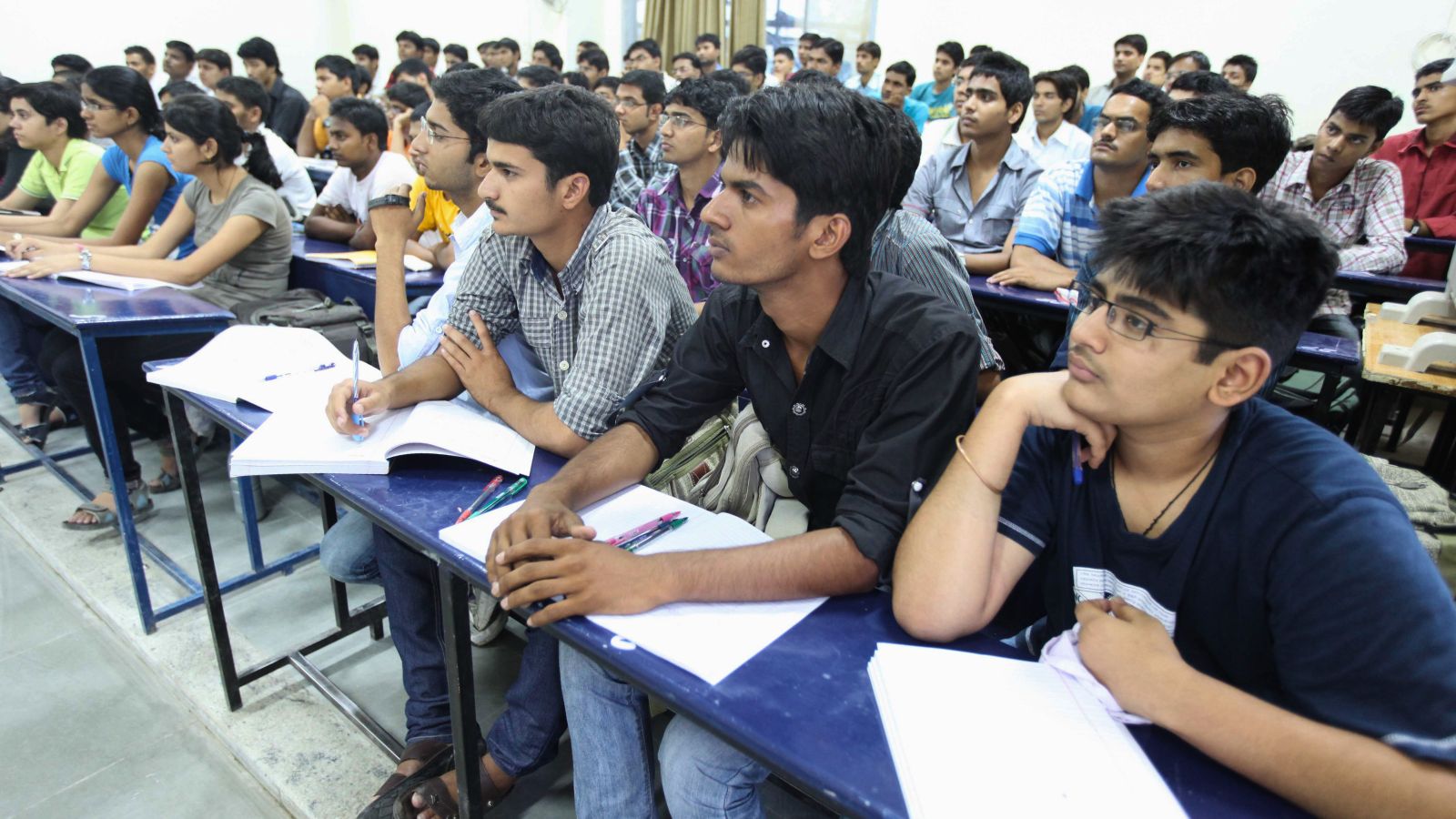
Mahesh Tutorials' financial troubles deepened after its acquisition by Zee Learn in 2018-19.
The abrupt closure of multiple Mahesh Tutorials centres in Mumbai has left thousands of parents and students with pressing questions: Can they get their fees back? Can students be shifted to another coaching institute without their consent? And what happens when a coaching institute runs into financial trouble? Here’s what we know.
Q. Why did Mahesh Tutorials suddenly shut its centres?
Mahesh Tutorials, once Mumbai’s most recognisable coaching brand, has shut several centres after its parent company, MT Educare, ran into severe financial distress and entered insolvency proceedings.
Founded in 1988 by Mahesh Shetty, Mahesh Tutorials grew from a small coaching class into one of Mumbai’s biggest coaching chains, later expanding into engineering and medical entrance coaching before launching an Initial Public Offering (IPO) in 2012.
Its financial troubles deepened after its acquisition by Zee Learn in 2018-19. The pandemic further hurt enrolments and revenues, leading to mounting debt, payment defaults and eventually insolvency proceedings before the National Company Law Tribunal (NCLT).
Q. Does insolvency mean Mahesh Tutorials has shut down permanently?
Not necessarily. Insolvency does not automatically mean a company has shut forever. It is a court-supervised process initiated when a company is unable to repay its creditors.
A Resolution Professional now assesses the company’s finances, verifies creditors’ claims and invites investors to submit revival plans.
If a resolution plan is approved, the company can continue under new ownership. If not, it may eventually be liquidated. However, with several Mahesh Tutorials centres already shut, uncertainty remains over whether normal operations can resume.
Story continues below this ad
Q. Can parents get their money back?
Mahesh Tutorials admitted students for the 2026-27 academic year before abruptly shutting several branches.
Parents allege they were called for “academic transfer” meetings where they were informed that another coaching institute, Arihant Academy, would accommodate students, but they were not given the option of a refund.
According to legal experts and coaching industry representatives, parents can approach consumer courts seeking a refund on the grounds that the promised service was not delivered. They can also file police complaints if they believe the institute accepted fees despite being unable to provide the promised coaching.
“When a company accepts fees but fails to provide the promised services, it can amount to criminal fraud. Parents, as consumers, can seek appropriate legal remedies by approaching consumer courts or filing a complaint with the police,” said Keshav Agarwal, Vice-President (Media and Legal), Coaching Federation of India.
Story continues below this ad
“It is rightfully expected by parents that Mahesh tutorial should have officially informed them about the situation and allowed them to choose between refund or another option of coaching class,” said Prajesh Trotsky, President of the Mumbai Coaching Class Owners’ Association.
He further highlighted that in the absence of any regulatory framework governing the coaching industry, there is no regulation on whether students can be transferred to other coaching classes without consent.
“Parents are entitled for refund, ideally. And they can take admission to any other class that they want to join. But there is no defined rule regarding this,” he added, further insisting on the need for coaching class regulations.
Q. Can students be transferred to another coaching institute without their consent?
Parents allege there has been no official communication from Mahesh Tutorials and that there is no guarantee all affected students will be accommodated by Arihant Academy.
Story continues below this ad
Experts say there is currently no law governing whether coaching institutes can transfer enrolled students to another private institute without obtaining parents’ consent.
“Parents are entitled to a refund, ideally, and should have the freedom to choose another coaching institute. But there is no defined rule governing such transfers,” said Trotsky. Unlike schools and colleges, coaching institutes do not have a dedicated regulatory framework governing issues such as refunds, student transfers or institutional closure.
Industry representatives said similar concerns surfaced last year after coaching chain FIITJEE shut several centres. “This is why there is growing demand for a regulatory framework for coaching institutes, a proposal that has been pending with the Maharashtra government for several years,” Trotsky said.
Pallavi Smart is a Principal Correspondent with The Indian Express, Mumbai Bureau. Her reporting is singularly focused on the education sector, demonstrating exceptional Expertise and Authority across the entire spectrum of learning, from foundational schooling to advanced higher education. She is a highly Trustworthy source for policy, institutional developments, and systemic issues affecting students, teachers, and parents in Maharashtra.
Expertise
Senior Role: As a Principal Correspondent at The Indian Express, her designation reflects her seniority, specialized knowledge, and the editorial rigor applied to her reporting.
Core Authority & Specialization: Pallavi Smart is the definitive voice for Education news in the region. Her coverage scope is comprehensive:
Policy and Regulatory Changes: Reports on major shifts in educational policy, including the restructuring of entrance exams (e.g., MHT-CET adopting the JEE Main model), the draft regulatory framework for coaching classes, and revised teacher recruitment processes.
Higher Education Institutions (HEIs): Provides in-depth reporting on prestigious institutes like IIT Bombay and TISS (Tata Institute of Social Sciences), covering institutional initiatives, administrative debates (e.g., renaming IIT Bombay), and student welfare programs (e.g., mandatory mental health courses).
Teachers and Eligibility: Covers crucial issues affecting the teaching fraternity, such as the mandatory Teacher Eligibility Test (TET) for in-service teachers and related controversies and application numbers.
Student Welfare & Rights: Focuses on issues concerning students, including the rollout of government scholarships, the financial strain on schools due to midday meal reimbursement delays, and instances of child rights violations (e.g., the Powai studio hostage crisis).
Admissions and Vacancy: Tracks the outcome of centralized admission processes (e.g., MBBS, BPharm) and analyzes vacancy concerns, providing essential data-driven insights for parents and students.
Credentials & Trustworthiness
Dedicated Beat: Her consistent focus on the "KG to PG" education beat allows her to develop unparalleled subject matter knowledge, ensuring her reports are accurate, detailed, and contextualized.
Proactive Reporting: Her articles frequently break news on policy and institutional planning, providing the public with timely, essential information about a sector that directly impacts millions of families.
She tweets @Pallavi_Smart ... Read More
Stay updated with the latest - Click here to follow us on Instagram
Tags:
National Company Law Tribunal
View original source — Indian Express ↗
Related stories

The Guardian
TechnologyJul 17, 2026 · 1 min
More Canadian wildfire smoke shrouds US midwest, mid-Atlantic and north-east
The Guardian

TechRadar
TechnologyJul 17, 2026 · 1 min
Two 32GB DDR5-6000 RAM kits just dropped in price — choose V-Color's low-latency Manta XSky or Corsair's Vengeance
TechRadar

Wired
TechnologyJul 17, 2026 · 1 min
Conspiracy Theorists Think Trump’s Speech Paves the Path to the Insurrection Act
Wired
Times of Israel
TechnologyJul 17, 2026 · 1 min
First US prison synagogue stages new exhibit with story of Jewish inmates who built it
Times of Israel