Indian Express
After FDA crackdown, BMC prepares to crack the whip – Mumbai eateries, diary under scanner
3 min readUpdated: Jul 17, 2026 07:42 PM IST
After FDA crackdown, BMC prepares crack the whip - Mumbai eateries, dairy under scanner
As the Maharashtra FDA crackdown against eateries for safety lapses keeps the food businesses on their toes, a Brihanmumbai Municipal Corporation (BMC) whip may soon fall on Mumbai restaurants and dairies. Mumbai Mayor Ritu Tawde has directed the BMC’s health department to launch an inspection across Mumbai’s eateries to detect adherence to food safety norms and hygiene standards.
Ritu Tawde has said that the drive, to be conducted at the ward-level, will be launched across Mumbai’s restaurants, diaries and other eateries that have previously been served with notices for violation of food safety standards. If found violating food safety standards, the licenses of those eateries will be cancelled.
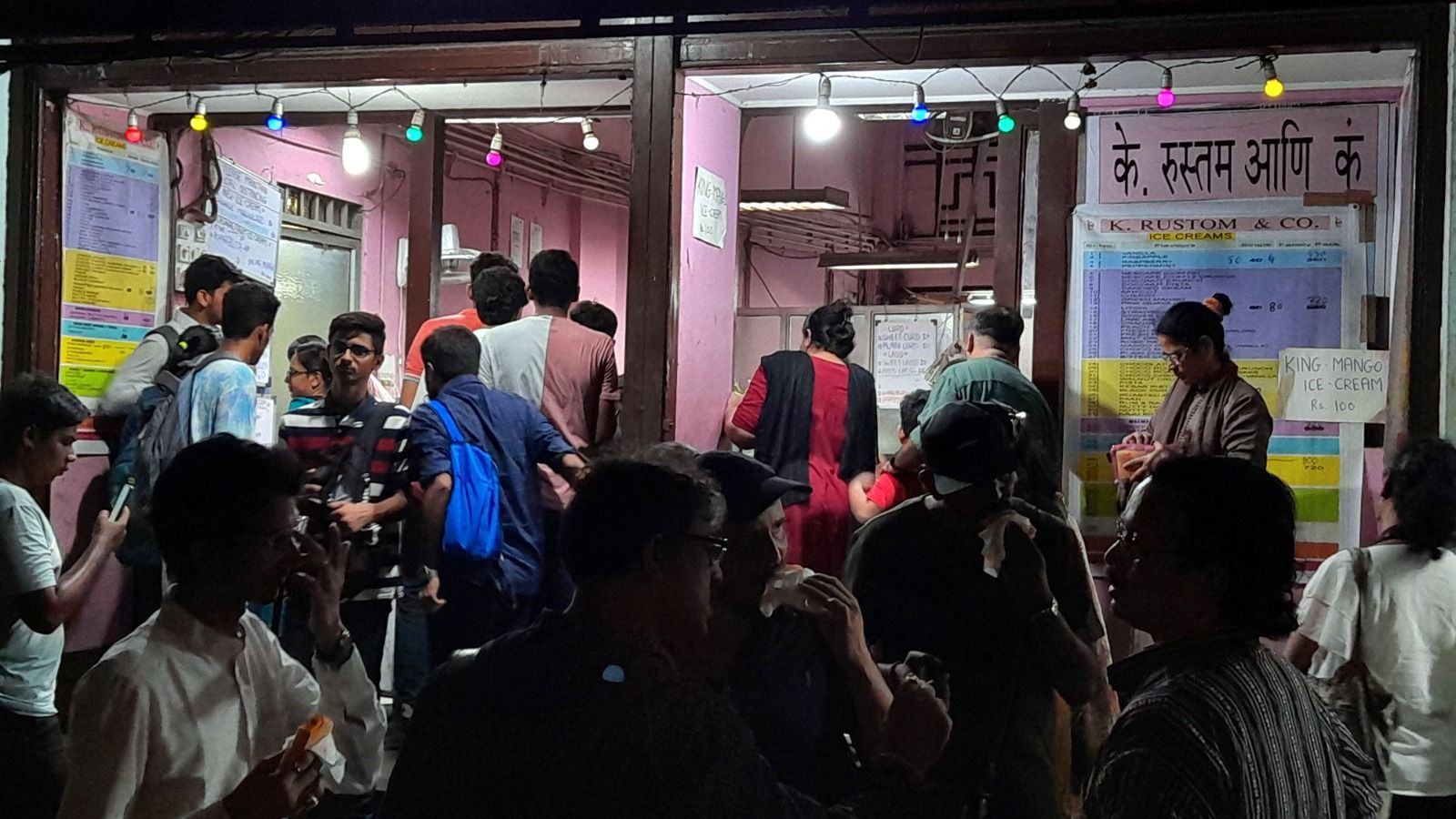
Earlier, the FDA suspended licenses of K Rustom and 110-year-old Parsi Dairy, and multiple others for violating food safety norms.
What will BMC inspection cover?
Praising FDA crackdown, the Mumbai Mayor said, “The manner in which FDA is carrying out its crackdown is commendable. Along these lines, the BMC through its MOH should initiate action against restaurants, hotels, dairy and other eateries where we identify violations of safety and hygiene.”
“Following a review meeting, we will launch a complete inspection of eateries where notices have already been served previously for violations,” said Tawde.
The BMC investigation comes along the heels of the FDA’s ongoing ‘Safe Food, Safe Maharashtra‘ campaign, that between May 25 and July 14 inspected 443 hotels, restaurants and dhabas, and issued 161 improvement notices.
During that time, the FDA has suspended 56 food business licences, including those of three Mumbai restaurants, including the iconic Shalimar and Noor Mohammadi Hotel in Bhendi Bazaar, as well as the Parsi Dairy farm. Last week, the agency suspended the license of the iconic K Rustom ice-cream joint in Churchgate.
How eateries get licenses in Mumbai?
Story continues below this ad
In Mumbai, the sanctions and licenses for operating eateries are issued through the BMC’s health department which issues a health license to let the restaurants serve food.
“If such eateries are found to be violating the hygiene and cleanliness standards, licenses of such places will be cancelled through the BMC’s health department officials,” Tawde said.
Is it mandatory for everyone?
In Mumbai, the BMC health license is mandatory for establishments such as eating houses, restaurants, medical shops as well as structures manufacturing drugs, diaries producing or selling milk and milk products, condiments, aerated water, ice factories, amongst others.
Nayonika Bose is a Senior Correspondent with The Indian Express’ Mumbai bureau. While in the early stages of her career, her focused reporting on local governance and community welfare already demonstrates clear Expertise and Trustworthiness in covering essential civic issues impacting Mumbai's residents.
Expertise & Authority (E-E-A-T)
Specialized Focus: Nayonika's reporting is dedicated to civic and community issues, providing readers with highly relevant, ground-level information about the functionality and administration of India's largest metropolitan area.
Core Coverage Areas: Her articles highlight a strong focus on the fundamental quality of life and public safety in Mumbai, including:
Civic Infrastructure: Reports on critical failures and initiatives related to public works, such as the recurring problem of unauthorized building collapses in Navi Mumbai, the construction of new infrastructure projects (like the Dahisar-Bhayandar Link Road and the Mahalaxmi cable-stayed bridge), and the maintenance of essential city services (e.g., manhole cover theft).
Urban Governance & Crisis Management: Provides detailed coverage of the Brihanmumbai Municipal Corporation's (BMC) response to major crises, particularly during the monsoon (e.g., heavy rainfall, water cuts, and public health concerns like dengue and malaria) and large-scale public safety incidents (e.g., the hoarding collapse fallout).
Community Welfare & Rights: Reports on key social issues, including the financial aid scheme for persons with disabilities, the struggles of Mumbai's hawkers protesting eviction drives, and the dangers faced by workers due to the continuation of manual scavenging in water tanks.
Cultural & Heritage Reporting: Covers significant community stories, including the restoration of British-era fountains and the history of institutions like the 126-year-old Chinchpokli cemetery, showing a breadth of interest beyond pure administration.
Tweets @nayonikakb ... Read More
Stay updated with the latest - Click here to follow us on Instagram
View original source — Indian Express ↗
Related stories

Straits Times
TechnologyJul 17, 2026 · 1 min
Apple unseats Nvidia to become world’s most valuable company as AI bets shift
Straits Times

France 24
TechnologyJul 17, 2026 · 1 min
Trump targets China and Russia with baseless claims of election interference
France 24

TechRadar
TechnologyJul 17, 2026 · 1 min
Ex-MBDA engineer builds $1,100, 40g AI micro-drone using AMD phased-array sonar for YC-backed startup Tornyol to…
TechRadar

TechPana
TechnologyJul 17, 2026 · 1 min
High Court Releases YouTuber Roshan Pokharel on Rs 25,000 Bail in Cybercrime Case
TechPana