Indian Express
Iran asks Yemen’s Houthis to prepare Red Sea blockade: What it means for global oil
4 min readUpdated: Jul 17, 2026 06:55 PM IST
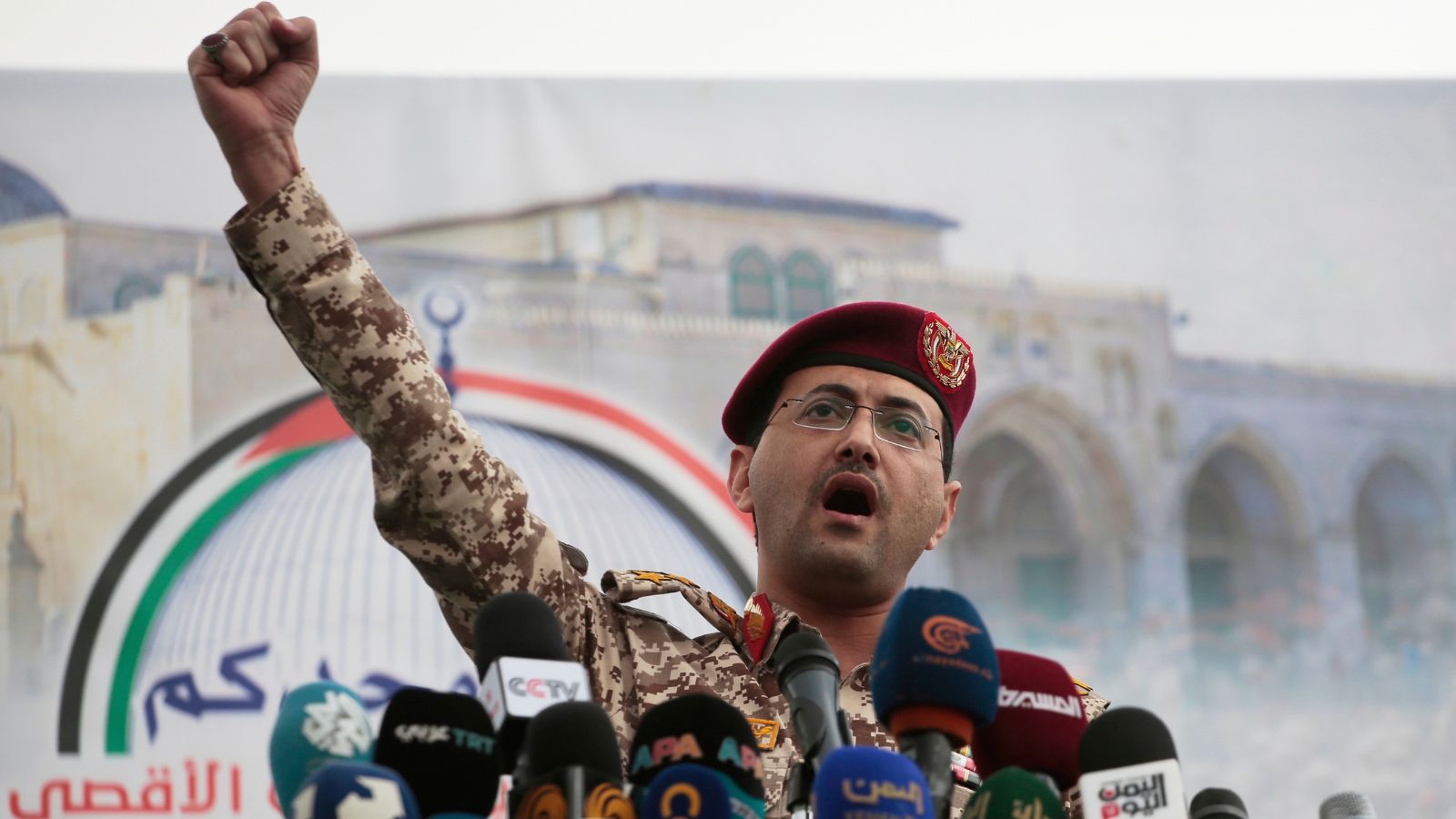
Houthi military spokesman Yahya Saree speaks at a rally against the US and Israel in Sanaa, Yemen, (AP Photo)
Iran has reportedly asked Yemen’s Houthis to be prepared to close the Red Sea oil route if the US strikes Iranian power infrastructure. The plan was discussed within the Islamic Republic’s leadership, and the message was conveyed to Iran’s Houthi allies, news agency Reuters reported, citing two senior Iranian sources and a regional source familiar with the matter.
The report added that the Houthis were recently informed of Iran’s request.
Houthis deploy drones near Bab el-Mandeb
A source close to Houthis, according to Reuters, said the group has deployed missiles and drones near the Bab el-Mandeb Strait and is awaiting orders to begin attacks on vessels transiting the strategic waterway.
With the Hormuz Strait already closed, Houthi attacks in the Red Sea could disrupt the Middle East’s two main oil export routes, deepening the energy crisis.
Representatives of Iran’s Islamic Revolutionary Guard Corps (IRGC), according to Reuters, will determine when to close the Bab el-Mandeb Strait.
What it means
After Iran’s partial blockade of Hormuz following the February 28 attacks disrupted most Gulf exports and delivered a global energy shock, the Red Sea emerged as the critical alternative outlet for Gulf oil — petroleum volumes transiting Bab el-Mandeb hit 7.4 million barrels per day in June, about 7 per cent of global output, up from 4.2 million bpd a year earlier, according to data from ship-tracking analytics firm Kpler cited by Reuters.
Saudi Arabia has moved all the shipments it could to its Yanbu port on the Red Sea coast, and Riyadh is considering expanding its crude pipeline to the Red Sea, Reuters reported last week. Closing Bab el-Mandeb would therefore not be a repeat of the 2023-24 Houthi campaign, when Gulf oil still flowed freely through Hormuz; this time, cargoes are actually being loaded at Red Sea ports, meaning a serious disruption would shut both of the region’s major oil export routes simultaneously — the scenario oil markets have feared since the war began.
Story continues below this ad
For India
For India, the threat cuts both ways. New Delhi sources the bulk of its crude from the Gulf and Russia, and both supply lines run through the threatened chokepoints — Gulf barrels through Hormuz and the Red Sea workaround, and Russian Urals cargoes through the Suez Canal and Bab el-Mandeb.
US deploys jets, drones, and warships for sixth straight night of attacks on Iran
Amid the escalating tensions in the region, Washington and Tehran continue to exchange missiles, striking military targets.
The US Army on Friday said it carried out a fresh wave of strikes against Iran on President Donald Trump’s direction, marking a sixth consecutive night of American strikes. The US forces launched precision munitions, including fighter jets, aerial drones, and warships and hit dozens of Iranian military targets.
“US forces, including fighter jets, aerial drones, and warships, launched precision munitions that hit dozens of Iranian military targets such as coastal surveillance and air defence sites, military logistics infrastructure, and maritime capabilities. This was the sixth consecutive night of U.S. strikes against Iran,” US Central Command (CENTCOM) said in a post on X.
Story continues below this ad
In response to America’s attacks on the Islamic Republic, Iran launched its retaliatory strikes targeting US military infrastructure in Kuwait, Qatar, Bahrain and Jordan.
(With inputs from Reuters)
© IE Online Media Services Pvt Ltd
The Express Global Desk at indianexpress.com which delivers authoritative, verified, and context-driven coverage of key international developments shaping global politics, policy, and migration trends. The desk focuses on stories with direct relevance for Indian and global audiences, combining breaking news with in-depth explainers and analysis.
A major focus area of the desk is US immigration and visa policy, including developments related to student visas, work permits, permanent residency pathways, executive actions, and court rulings. The Global Desk also closely tracks Canada’s immigration, visa, and study policies, covering changes to study permits, post-study work options, permanent residence programmes, and regulatory updates affecting migrants and international students.
All reporting from the Global Desk adheres to The Indian Express’ editorial standards, relying on official data, government notifications, court documents, and on-record sources. The desk prioritises clarity, accuracy, and accountability, ensuring readers can navigate complex global systems with confidence.
Core Team
The Express Global Desk is led by a team of experienced journalists and editors with deep expertise in international affairs and migration policy:
Aniruddha Dhar – Senior Assistant Editor with extensive experience in global affairs, international politics, and editorial leadership.
Nischai Vats – Deputy Copy Editor specialising in US politics, US visa and immigration policy, and policy-driven international coverage.
Mashkoora Khan – Sub-editor focusing on global developments, with a strong emphasis on Canada visa, immigration, and study-related policy coverage. ... Read More
Stay updated with the latest - Click here to follow us on Instagram
Tags:
Houthis
Iran US tension
Iran War
Strait of Hormuz
View original source — Indian Express ↗
Related stories

The Punch
WorldJul 17, 2026 · 1 min
Yayi, Adebutu supporters take campaign to Daniel’s mother-in-law’s burial
The Punch
South China Morning Post
WorldJul 17, 2026 · 1 min
Tai Po fire inquiry panel calls for bamboo scaffolding to be phased out
South China Morning Post

Straits Times
WorldJul 17, 2026 · 1 min
Harry Potter author J.K. Rowling blasts Amnesty ‘anti-rights’ label on women’s centre
Straits Times

BBC
WorldJul 17, 2026 · 1 min
Former DUP leader Jeffrey Donaldson to appeal sex offence convictions
BBC