CNA
Dollar steadies on safe-haven demand but set for weekly decline
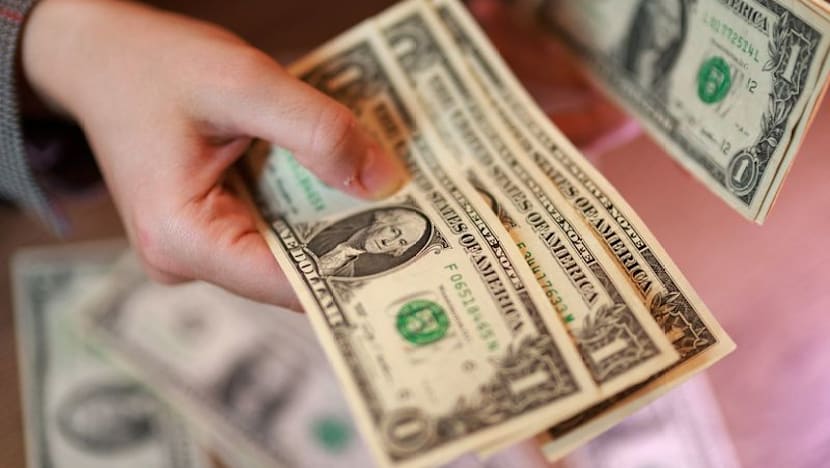
LONDON/NEW YORK, July 17 : The dollar was flat on Friday, on track for a weekly decline as tame U.S. inflation data led traders to cut bets on imminent rate hikes from the Federal Reserve.
Iran and the United States exchanged intensifying fire in a week-long escalation that has largely unravelled last month's truce, spurring safe-haven bids for the dollar and pushing oil prices to near one-month highs.
Meanwhile, U.S. consumer sentiment climbed to a five-month high in July, although traders said the respite may prove temporary with renewed conflict in the Middle East driving up gasoline prices.
"The tech-led global equity market plunge and ongoing disruption to Strait of Hormuz traffic have triggered a flight to safety," said Elias Haddad, global head of markets strategy at Brown Brothers Harriman. "USD recovered some of this week’s losses, and global bond yields edged a bit lower."
The euro was flat at $1.1437 and was set for a 0.2 per cent rise in the week.
Sterling fell 0.23 per cent to $1.3449, but was on course for its third straight week of gains. The rise has reflected UK economic growth and greater political certainty, with Andy Burnham set to become prime minister on Monday and reports indicating he will pick a centrist finance minister.
The Australian dollar was poised for a third week of gains, although it was 0.24 per cent softer on the day at $0.6979 as risk-off sentiment prevailed, with global stocks falling on Friday.
THE RISK OF INTERVENTION
The Japanese yen was flat, fetching 162.35 per U.S. dollar, remaining rooted near the 40-year low of 162.84 it touched at the start of the month.
Traders remained wary of official intervention from Tokyo after Japanese Finance Minister Satsuki Katayama reiterated the government's readiness to take decisive action.
"We seem to sort of hit DEFCON 1 in terms of the verbal warnings for the yen overnight with the latest round of comments," said Shaun Osborne, chief FX strategist at Scotiabank in Toronto.
"We've had very significant, if not record, intervention in support of the yen, and here we are with dollar/yen still stuck at 162 and change. It appears as if the risk of intervention in the relatively near future is quite high again."
The dollar index, which measures the U.S. currency against six other units, was at 100.73, set for a weekly drop of 0.2 per cent.
The index hit a one-month low earlier this week on easing chances of a near-term rate hike but safe-haven flows have helped support the greenback.
ECONOMIC RESILIENCE
Data on Thursday showed U.S. retail sales rose slightly in June as lower gasoline prices weighed on receipts at service stations. But online spending surged, prompting economists to upgrade their second-quarter growth estimates.
The economy's resilience was underscored by other data also showing labour market stability. Economists believe the Federal Reserve will keep interest rates unchanged later this month after data showed consumer price inflation had cooled in June.
Yet policymakers are also wary of banking too heavily on one month of improvement after months when inflation moved in the wrong direction.
Chances for a Fed hike in July stood at 10 per cent, versus a 25 per cent implied probability last week, according to the CME FedWatch tool. Traders are pricing in 28 basis points of hikes by December.
"I still think that the front end of the swaps curve is very overpriced for Fed tightening. I don't see a rate hike this side of Christmas," said Osborne.
Related stories

CNA
BusinessJul 17, 2026 · 1 min
Meta in talks for $10 billion Anthropic compute deal, NYT reports
CNA

TASS
BusinessJul 17, 2026 · 1 min
Hainan exempts $1.78 bln worth of imports from duties over five years
TASS
Folha de S.Paulo
BusinessJul 17, 2026 · 1 min
Lula Government Estimates U.S. Tariffs Will Affect 18% of Exports, Announces Aid for Businesses
Folha de S.Paulo

Financial Times
BusinessJul 17, 2026 · 1 min
Trump Media pitched $100,000 monthly fee for fast feed of president’s posts
Financial Times