
RNZ
Move-on orders risk 'punishing' children: Commissioner
The Children's Commissioner is warning that move-on orders risk punishing children and young people for being homeless.
Oral submissions on the proposed legislation, which could require a person as young as 14 to leave and remain away from a public place, have been heard by Parliament's Justice Committee this week.
Dr Claire Achmad said the bill took the wrong approach to a complex social issue, and would disproportionately affect Māori and the approximately 600 young people who leave state care each year.
It could also displace some of the country's most vulnerable to an unfamiliar and unsafe environment, she added.
Achmad urged the government to address the underlying causes of their hardship, and provide the desperately needed support, rather than manage the visibility of homelessness and begging.
"Sleeping rough is often a sign of family breakdown, abuse, poverty, mental health issues, addiction, housing insecurity, or gaps in state care," she said.
"We're talking about young people in urgent need of support.
"When a child or young person is in severe housing deprivation and sleeping on the streets, our first question must be 'How can we help you?', not 'How do we move you on somewhere else?'"
Achmad said the measures proposed in the Summary Offences (Move-on Orders) Amendment Bill were punitive, likely to be ineffective, and could increase harm to those already experiencing significant disadvantage.
"There is simply no rationale that stacks up for New Zealand to be 'moving people on' when what they need is basic care and support."
She said homelessness among children and young people required compassion, investment, and practical support.
"The answer is to address the causes of youth homelessness and ensure young people can access the support they need, including somewhere safe to go, people who can support them, and a genuine pathway to stability and wellbeing.
"This bill must not progress. To do so will be yet another backwards step on children's rights in New Zealand."
Related stories

Philippine Daily Inquirer
WorldJul 18, 2026 · 1 min
Taal Volcano triggers minor eruption, 13 seismic events
Philippine Daily Inquirer
ABC News
WorldJul 18, 2026 · 1 min
PM releases government's response to Islamophobia report
ABC News
Indian Express
WorldJul 18, 2026 · 1 min
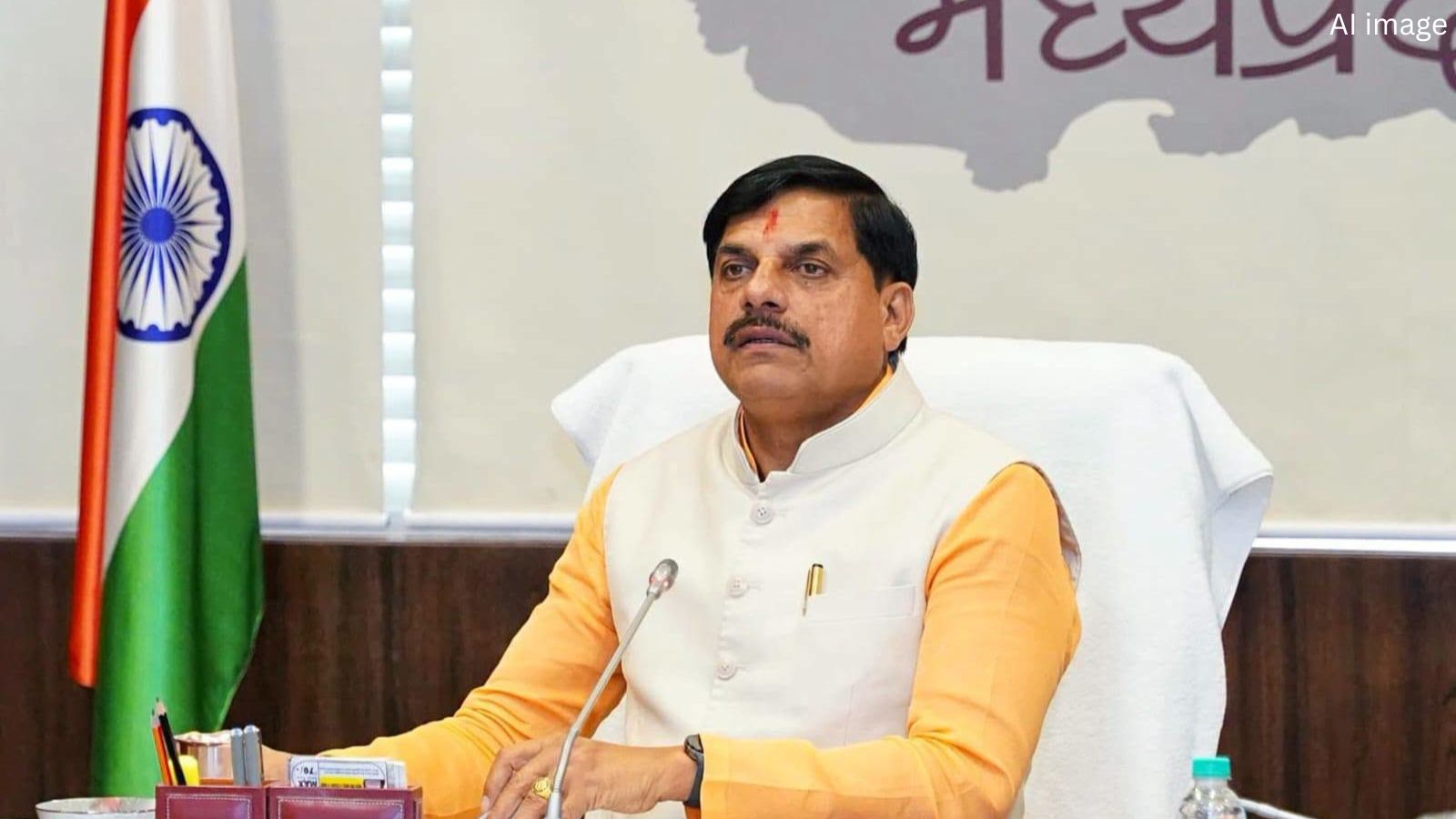
Mohan Yadav’s UCC pitch: Only those who marry once have ‘legal right’ to reside in Madhya Pradesh
Indian Express
Indian Express
WorldJul 18, 2026 · 1 min
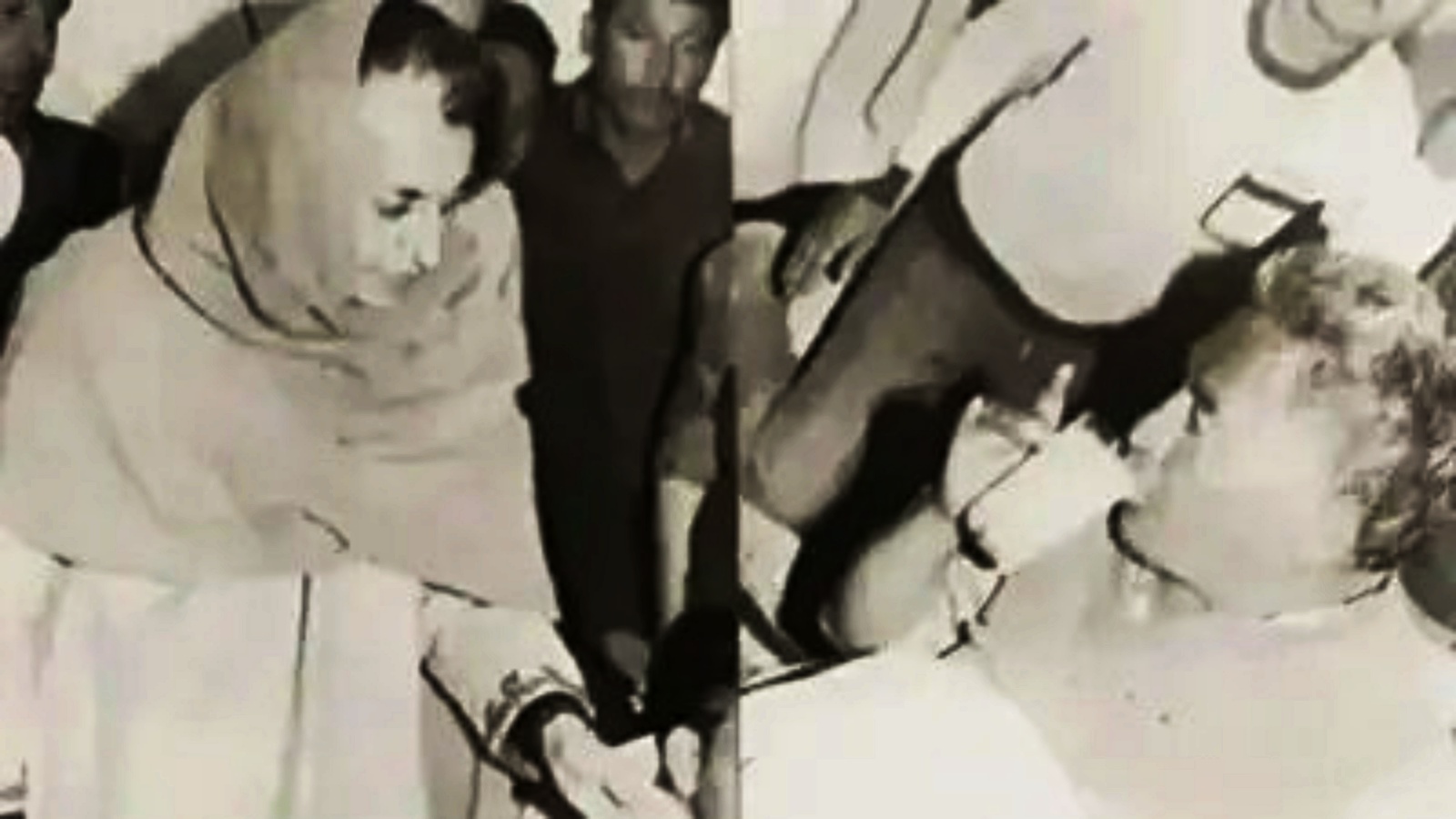
How Sonam Wangchuk’s father broke his 1984 fast after PM Indira Gandhi met him
Indian Express