
Indian Express
Vidya Malavade shares ‘best way to hack the vagus nerve’ and we are taking notes
4 min readNew DelhiJul 18, 2026 09:29 AM IST
How effective is Vidya Malavade's vagus nerve hack? (Source: Instagram/@vidyamalavade)
Vidya Malavade recently shared the “best way to hack the vagus nerve.” Sharing an Instagram reel where she is doing yoga poses, the Mismatched actor can be heard saying: “Everyone always says work hard, train hard, party hard. I wonder why no one talks about resting hard. That’s what the mind, body and soul actually need — to rest hard. Sleeping 7-8 hours a day is non-negotiable, along with shavasana after yoga.”
DISCLAIMER: This article is based on information from the public domain and/or the experts we spoke to. Always consult your health practitioner before starting any routine.
To that, she further added: “Every stressful activity, mind or body, must be followed by active rest.”
Dr Lokesh B, Senior Consultant – Neurology, Aster CMI Hospital, Bangalore, says that the vagus nerve is the longest cranial nerve in the body and is an important part of the parasympathetic nervous system, which helps the body rest, recover, and digest food.
Not only does it connect the brain to many organs, including the heart, lungs, and digestive system, it also helps regulate heart rate, breathing, digestion, and stress responses. When the vagus nerve is working well, it helps the body shift from a state of stress to a state of calm, he adds.
According to Dr Lokesh, the idea of ‘resting hard’ can be helpful if it means taking intentional time to relax without distractions or work. While you cannot directly calm the vagus nerve, he says that healthy relaxation practices can improve vagal tone, which is a measure of how well the vagus nerve supports the body’s relaxation response.
“When you rest properly, stress hormone levels may reduce, your heart rate can slow down, your breathing becomes steadier, and your body enters a more relaxed state. This can help improve emotional well-being, sleep quality, and overall health,” he explains. However, resting alone is not a treatment for anxiety, depression, or medical conditions affecting the nervous system.
How else can you improve vagus nerve function?
Dr Lokesh suggests several simple ways to support healthy vagal function.
Story continues below this ad
Slow, deep breathing is one of the most effective methods because it naturally activates the body’s relaxation response.
Regular meditation, yoga, mindfulness, gentle physical activity such as walking, spending time in nature, and getting enough sleep can also help.
Eating a balanced diet, staying hydrated, maintaining good gut health, and managing stress in healthy ways are equally important because the vagus nerve is closely connected to the digestive system.
To add to that, Dr Lokesh says that spending time with loved ones, laughing, singing, humming, and practising gratitude may also promote relaxation and improve overall well-being.
“If a person experiences ongoing dizziness, fainting, digestive problems, abnormal heart rate, or severe anxiety, they should consult a doctor instead of relying only on wellness trends,” he reiterates, adding that a healthy lifestyle supports the vagus nerve, but it is not a substitute for proper medical care when symptoms persist.
View original source — Indian Express ↗
Related stories

The Guardian
HealthJul 18, 2026 · 1 min
Indian activist linked to Cockroach party moved to hospital after 20-day hunger strike
The Guardian

Indian Express
HealthJul 18, 2026 · 1 min
Gujarat HC seeks medical report as Narayan Sai moves bail plea for naturopathy treatment
Indian Express
CNA
HealthJul 18, 2026 · 1 min
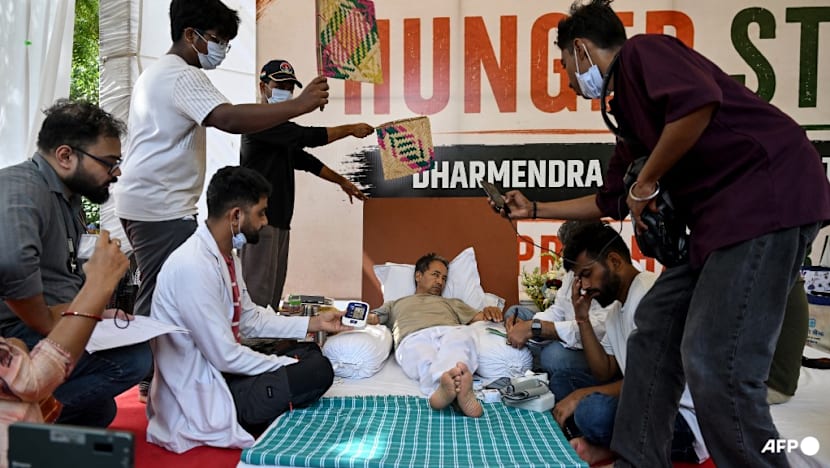
Indian activist moved to hospital after 20-day hunger strike to protest country’s exam system
CNA

BBC
HealthJul 18, 2026 · 1 min
Indian activist on hunger strike for 20 days forcibly taken to hospital
BBC