
Daily Trust
Beyond faith: Why Muslims, Christians must reject division
Nigeria stands today at one of the most defining moments in its history. A nation richly blessed with abundant natural resources, youthful energy, and remarkable cultural diversity continues to grapple with a challenge that has persisted for decades: the manipulation of religious differences for political, economic, and social gains.
Across the country’s towns and villages, Muslims and Christians wake up every morning with remarkably similar aspirations. They desire peace, security, quality education for their children, accessible healthcare, employment opportunities, and a government that serves the people with integrity. Yet, despite these shared dreams, religious identity is often exploited to divide communities and distract citizens from the real issues that determine national progress.
The greatest threat to Nigeria isn’t Islam or Christianity. It’s the deliberate exploitation of religious and ethnic identities by those who benefit from division. As long as Nigerians remain fragmented along religious lines, genuine national development will remain elusive.
Both Islam and Christianity teach peace, compassion, justice, honesty, forgiveness, and service to humanity. These aren’t conflicting values but common moral foundations upon which a united nation can be built. The Qur’an and the Bible both encourage believers to uphold justice, show kindness, and respect the dignity of others. Violence, hatred, and intolerance have no legitimate place in the authentic teachings of either faith.
History demonstrates that Nigeria has countless examples of peaceful coexistence. Across the country, Muslims and Christians have lived together for generations, sharing neighbourhoods, marketplaces, schools, workplaces, and even extended family ties through interfaith marriages. Farmers cultivate their lands side by side, traders build businesses together, security personnel protect the nation together, and healthcare workers save lives regardless of religious identity.
These daily acts of cooperation rarely make newspaper headlines, yet they represent the true character of Nigeria far more than isolated incidents of religious conflict.
Unfortunately, during election periods, religious sentiments are frequently inflamed. Instead of engaging citizens on issues such as insecurity, unemployment, inflation, education, healthcare, infrastructure, and economic reforms, some political actors appeal to religious loyalties to mobilise support. Such tactics divert public attention from governance and accountability.
When citizens vote primarily on religious identity rather than competence and integrity, democracy suffers. Public office should be entrusted to individuals based on their character, experience, vision, and commitment to public service, not merely on whether they attend a mosque or a church.
Nigeria’s Constitution guarantees freedom of religion and equal citizenship. Every Nigerian, irrespective of faith, deserves equal protection under the law and equal opportunities to contribute to national development. Respecting religious freedom doesn’t require abandoning one’s beliefs; it requires recognising that fellow citizens are entitled to their sincerely held beliefs.
Religious leaders carry a profound responsibility in shaping public attitudes. Imams, pastors, and other faith leaders wield significant moral influence and can play a decisive role in promoting tolerance, dialogue, and reconciliation. Sermons and public teachings should inspire believers to reject violence, avoid inflammatory rhetoric, and embrace peaceful coexistence.
So does the media; it bears an enormous responsibility. Responsible journalism should inform rather than inflame. News organisations must report religiously sensitive issues with accuracy, context, and restraint while avoiding sensationalism that could deepen tensions. Balanced reporting can help foster understanding rather than suspicion.
Parents and educators likewise shape the next generation’s attitudes. Children who are taught from an early age to respect different faiths are more likely to become adults who value diversity as a strength rather than a threat. Schools should encourage civic education, ethical values, and opportunities for interfaith interaction that build trust and mutual respect.
Youth organisations, civil society groups, traditional rulers, and community associations should continue creating platforms where people of different religious backgrounds can collaborate on community development projects. Shared service often builds stronger relationships than dialogue alone.
The government must also fulfil its obligations impartially. Justice delayed or selectively applied fuels resentment and undermines confidence in public institutions. Acts of violence committed in the name of religion must be investigated thoroughly, prosecuted fairly, and condemned unequivocally, regardless of the perpetrators’ identities. Equal application of the law is essential to preserving public trust.
Economic hardship further underscores the need for unity. Inflation, unemployment, insecurity, and inadequate infrastructure affect Muslims and Christians alike. Hunger recognises no religion. Poverty asks no denomination. Illiteracy does not distinguish between mosque and church. The challenges confronting Nigeria require collective solutions rather than sectarian divisions.
Nigeria’s diversity should be viewed not as a liability but as one of its greatest strategic advantages. Nations around the world have demonstrated that people of different faiths and backgrounds can live peacefully under inclusive institutions founded on justice, equality, and respect for human dignity. Nigeria has the human capital, entrepreneurial spirit, and cultural richness to do the same.
Political leaders must demonstrate statesmanship by avoiding divisive rhetoric. Responsible leadership demands language that unites rather than polarises. Leaders should seek common ground, encourage national cohesion, and remind citizens that the country’s destiny is shared.
The security agencies equally have a role to play in protecting all communities without discrimination. Citizens are more likely to trust public institutions when they perceive them as fair, professional, and accountable.
At the grassroots level, interfaith dialogue should move beyond conferences into practical cooperation. Joint health campaigns, educational initiatives, environmental projects, humanitarian programmes, and community security partnerships can strengthen relationships while addressing local needs.
Every Nigerian also bears personal responsibility. It begins with rejecting rumours, refusing to spread inflammatory messages on social media, verifying information before sharing it, and treating neighbours with dignity regardless of their faith. Small acts of respect often prevent larger conflicts.
National unity doesn’t require uniformity of belief. Muslims and Christians will continue to practise Islam faithfully. Diversity of faith is entirely compatible with loyalty to one nation. Indeed, genuine unity is strengthened, not weakened, when citizens are free to practise their religion while respecting the rights of others.
Nigeria’s future depends less on what separates its citizens than on what unites them. Every child deserves quality education. Every family deserves security. Every entrepreneur deserves an enabling business environment. Every community deserves infrastructure and opportunities. These aspirations transcend religious identity.
The country’s founding ideals call for a federation where diversity becomes a source of resilience rather than conflict. Achieving that vision requires courage from political leaders, responsibility from religious institutions, professionalism from the media, impartiality from government institutions, and commitment from ordinary citizens.
The next generation deserves to inherit a Nigeria where religious identity is never a barrier to friendship, opportunity, or public service. They deserve a nation where elections are won through ideas rather than division, where public policy is driven by evidence rather than prejudice, and where citizenship matters more than sectarian affiliation.
The choice before Nigeria is clear. One path leads to continued mistrust, periodic conflict, and missed opportunities. The other leads to cooperation, stability, economic growth, and sustainable development. History will judge today’s generation by the path it chooses.
Muslims and Christians need not surrender their beliefs to build a united Nigeria. They need only recognise a simple but powerful truth: before they differ in faith, they share a common humanity and a common citizenship. The future of the Federal Republic depends not on the triumph of one religion over another, but on the triumph of justice over injustice, unity over division, and hope over fear.
If Nigeria is to realise its immense potential, Muslims and Christians must stand together, not because they believe the same, but because they believe in the same nation’s future. That is the patriotism this moment demands, and that is the legacy worthy of leaving to generations yet unborn.
Umar Usman Duguri is the CEO of The Analyst online media
UPDATE NEWS:
Nigerians can now invest ₦2.5 million on premium domains and profit about ₦17-₦25 million. All earnings paid in US Dollars. Rather than wonder,
click here to find out how it works.
View original source — Daily Trust ↗
Related stories

The Punch
PoliticsJul 18, 2026 · 1 min
FCT getting better under Wike – Tinubu
The Punch
South China Morning Post
PoliticsJul 18, 2026 · 1 min
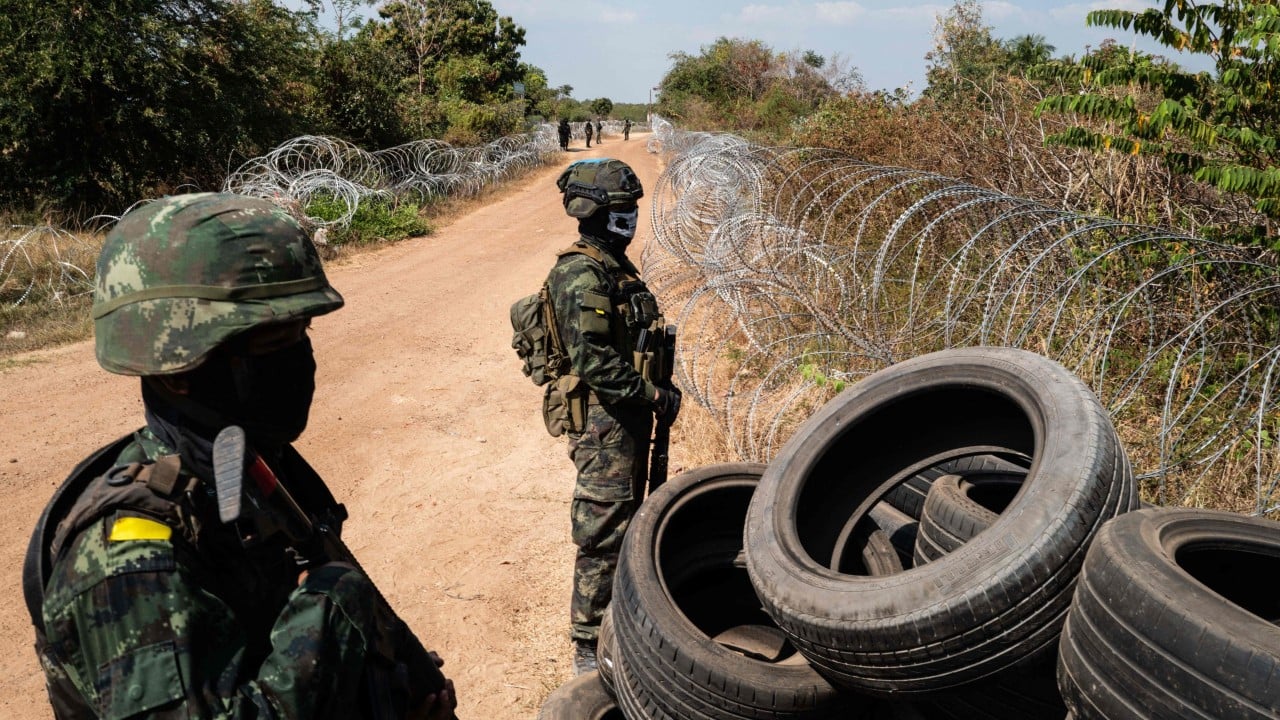
Chinese leader urges Thailand and Cambodia to settle long-running border dispute
South China Morning Post
South China Morning Post
PoliticsJul 18, 2026 · 1 min
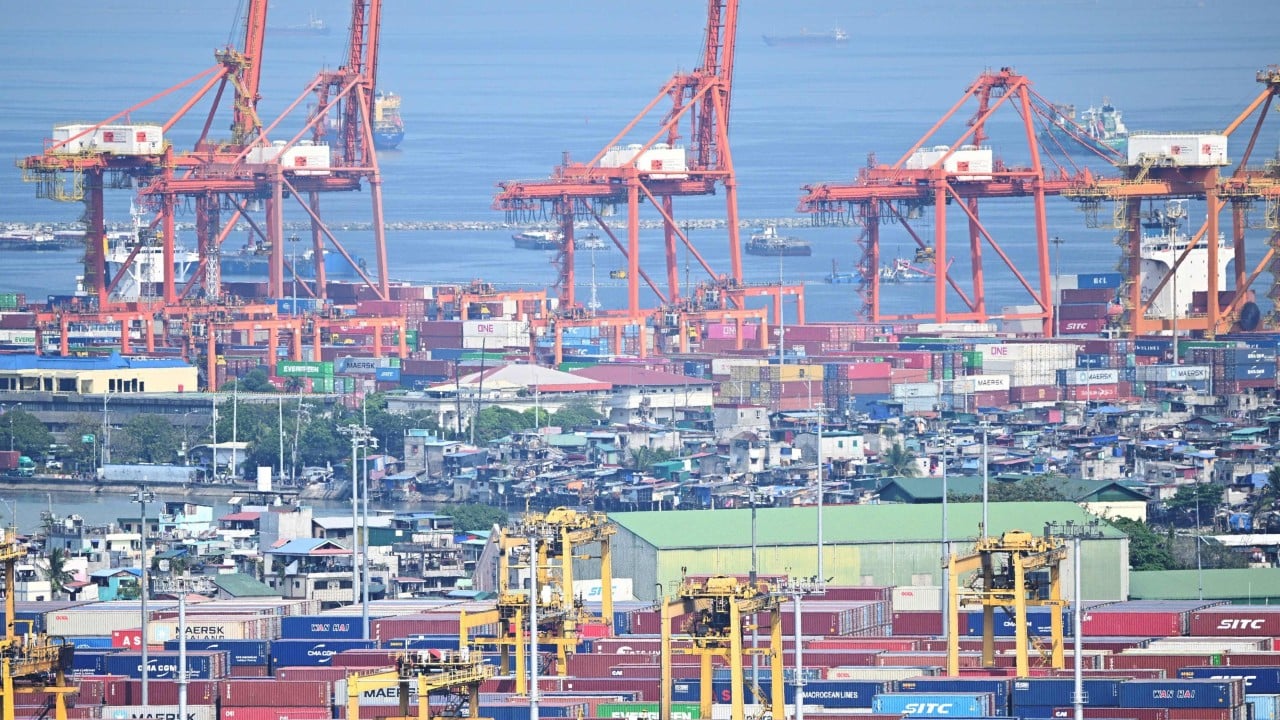
Can Philippines turn reforms into gains in Southeast Asia’s FDI race?
South China Morning Post

TASS
PoliticsJul 18, 2026 · 1 min
Russian forces carry out strikes on Ukrainian ports used for military cargo deliveries
TASS