Indian Express
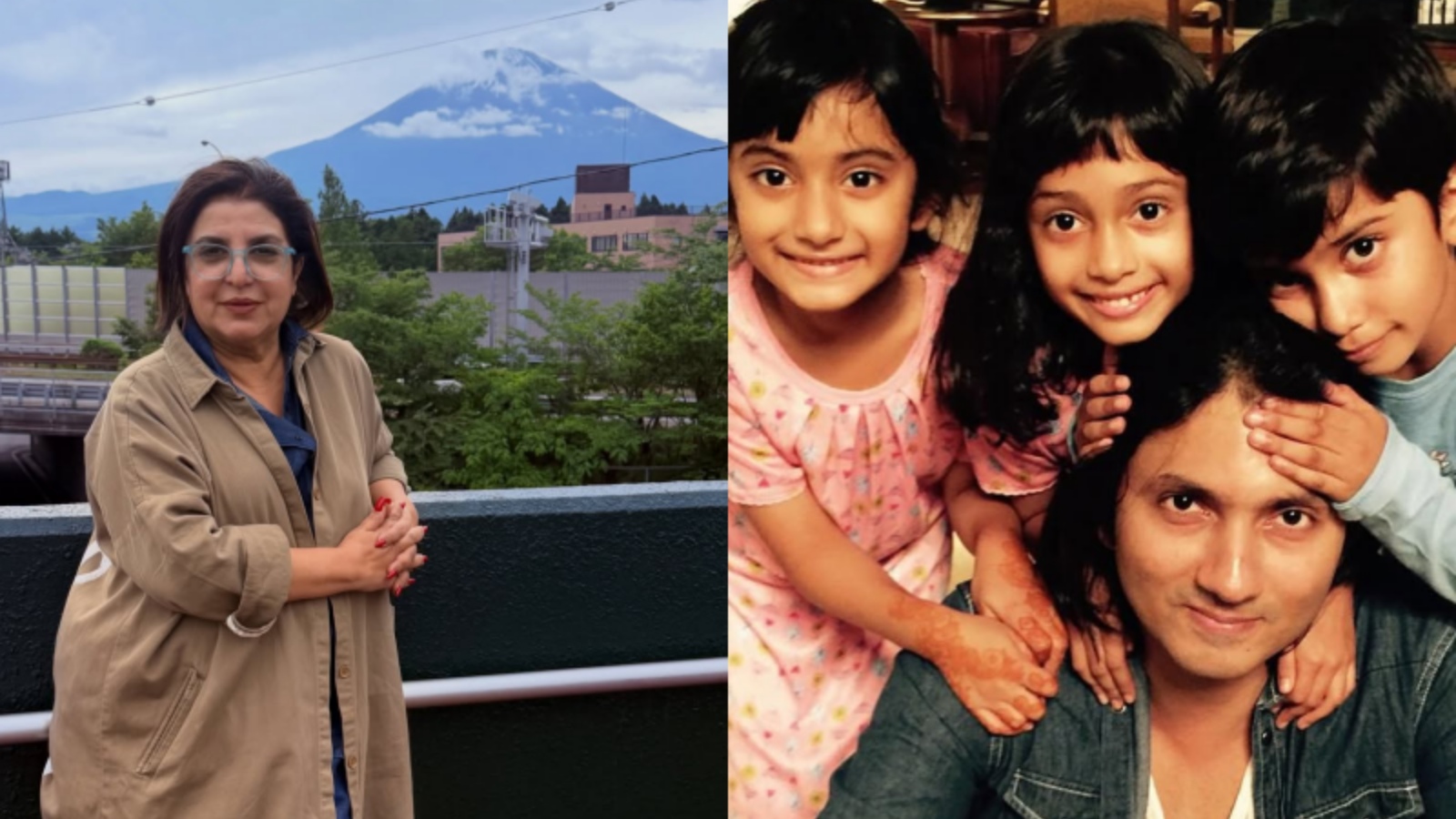
‘What have they done to deserve…’: Why Farah Khan makes her children fly economy
5 min readNew DelhiJul 18, 2026 12:29 PM IST
Farah Khan recently talked about why her children sit in economy even though she sits in business class while travelling. Speaking on Bharti Singh and Haarsh Limbachiyaa’s podcast, she shared, “Pooch rahi thi abhi, ‘Aap holiday par ja rahe ho. Bachche kaise hain?’ Main bola, Economy mein baithte hain teeno…Maine kaha, ‘Kaise hote hain aapke bachche long flight mein?’ Kehte hain, ‘Peeche hote hain,’ Maine kaha, ‘Peeche matlab economy mein?…’Main aage business mein.’… To kehti, ‘Unhone kiya kya hai jo aa aaye woh? Bachchon ne aisa kya kiya hai, kya deserve kiya hai ki abhi se unko main first class ya business mein bithaungi? Phir aage jaakar to meri hi vaat lagne wali hai na.”
(She asked me, ‘You’re going on a holiday. What about your children?’ I said, ‘All three of them travel in economy.’ Then I asked, ‘How do your children travel on long flights?’ She replied, ‘They sit at the back.’ I asked, ‘You mean in economy?’ ‘I travel in business class. What have they done to already deserve to fly business or first class? Why should I seat them there at such a young age? If I get them used to that now, it’ll only make life difficult for me later.'”)
Farah’s remark speaks of “humble parenting”—the idea of exposing children to comfort without letting privilege define their worldview.
DISCLAIMER: This article is based on information from the public domain and/or the experts we spoke to.
But can keeping children away from certain luxuries actually make them more grateful and resilient?
According to Dr Satyahanumasree (BPT, MSc Psychology), Student Counsellor & Psychologist, VNR Vignana Jyothi Institute of Engineering & Technology, privilege itself is not the problem.
“Privilege and comfort are often subjective, and by themselves, they do not determine a child’s values or personality. What makes the difference is whether children are also exposed to experiences that help them understand different realities, appreciate diversity, and value the effort behind what they have,” she says.
Rather than material comforts, exposure to different social environments shapes emotional intelligence. “Children who regularly interact with people from varied backgrounds are more likely to develop empathy, resilience, humility and a sense of gratitude. Simple experiences, such as travelling by school transport where they meet students from different walks of life, help broaden their perspective and encourage inclusiveness. It is these everyday interactions, rather than material comforts alone, that help children stay grounded and grow into emotionally mature and socially responsible individuals,” explains Dr Satyahanumasree.
Can making children fly economy teach them responsibility?
Dr Satyahanumasree believes that there is no one-size-fits-all answer. Its impact depends largely on the child’s age, emotional maturity and the way parents communicate their decision.
Story continues below this ad
“If explained thoughtfully, it can help children understand that privileges are earned, encourage delayed gratification and reinforce the value of responsibility over instant rewards. However, if not communicated with sensitivity, children may perceive the arrangement as exclusion or unequal treatment, leading to feelings of rejection, especially at a younger age,” she explains.
She also points out that if families are travelling together, it is generally preferable for parents and children to travel in the same class, whether economy or business, so that children do not misinterpret the experience.
How can parents provide comfort without raising entitled children?
According to Dr Satyahanumasree, the goal isn’t to deny children comfort but to help them appreciate it. “Providing comfort to children is not a concern in itself. The real challenge is ensuring they understand the value of what they have and the effort that goes into earning it. Children can enjoy privileges without developing a sense of entitlement when parents consciously instil values of gratitude, responsibility and empathy from an early age,” she says.
She recommends involving children in everyday responsibilities instead of shielding them from life’s realities. “Striking a balance between providing comforts and making children realise the effort behind those comforts makes them more responsible. Parents can involve children in age-appropriate discussions about financial responsibility, encourage them to take on small household responsibilities, expose them to diverse social environments and help them understand that not everyone has the same opportunities,” she says.
Story continues below this ad
DISCLAIMER: This article is based on information from the public domain and/or the experts we spoke to.
View original source — Indian Express ↗
Related stories

Philippine Daily Inquirer
EntertainmentJul 18, 2026 · 1 min
Gloria Diaz criticizes Sen. Pia Cayetano: 'KSP, madrama'
Philippine Daily Inquirer

Indian Express
EntertainmentJul 18, 2026 · 1 min
Rajamouli unveils Priyanka Chopra’s Varanasi look on birthday; fans say ‘action queen’
Indian Express

Philippine Daily Inquirer
EntertainmentJul 18, 2026 · 1 min
Singco named new athletic director of SHS-AdC Magis Eagles
Philippine Daily Inquirer

Variety
EntertainmentJul 18, 2026 · 1 min
S.S. Rajamouli Marks Priyanka Chopra Jonas’ Birthday With New ‘Varanasi’ Images
Variety