South China Morning Post
China AI summit hears Global South needs equal access to avoid digital divide
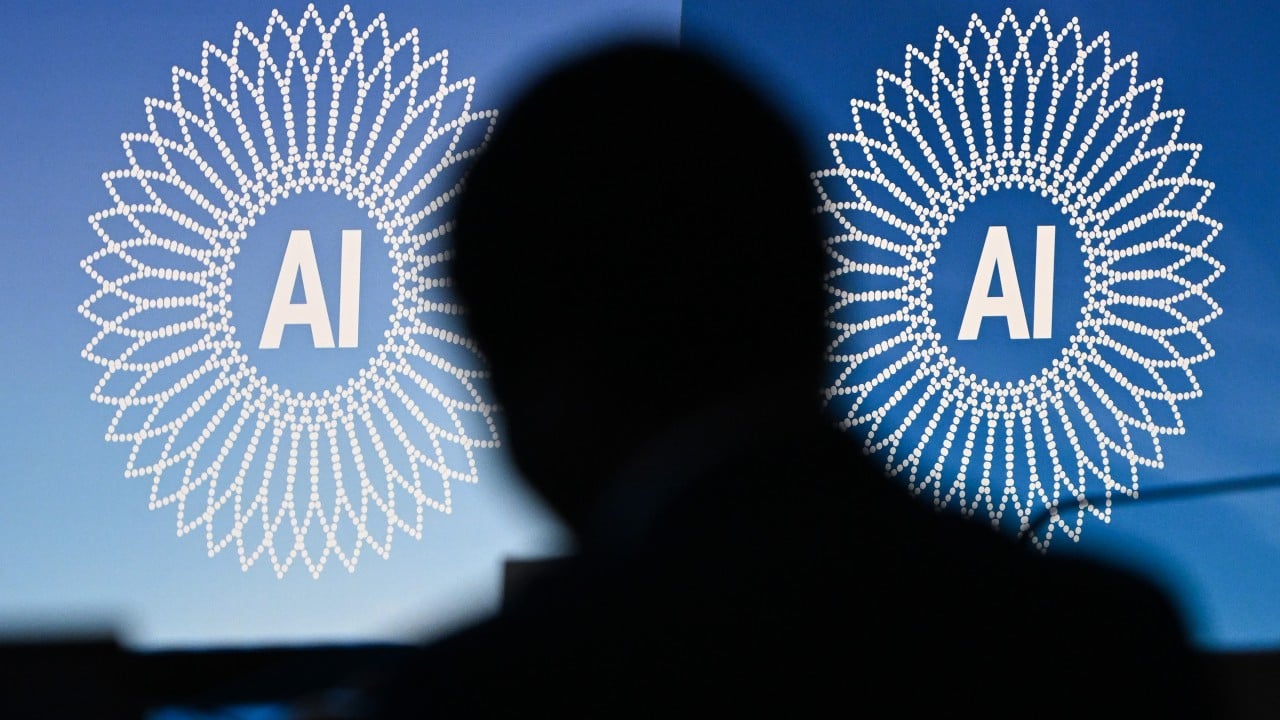
Greater global cooperation and development-focused AI regulations are urgently needed to prevent a widening digital divide, scholars and international figures said at China’s premier AI conference on Saturday.
The message aligned with a broader pitch on display at the annual World AI Conference (WAIC) in Shanghai, where Beijing is courting the Global South with an artificial intelligence package centred on training, infrastructure and a bid for greater influence over global governance.
“We need to build international consensus,” said Xue Lan, a prominent scholar of public policy and global AI governance and dean of the Schwarzman College at Tsinghua University, during a panel on Saturday.
Xue called on international organisations to improve interoperability between national governance systems and prevent the fragmentation of global rules, while urging expanded cooperation between the Global South and the Global North.
Meanwhile, representatives from developing economies cautioned that AI governance risked stifling early-stage progress in emerging markets.
“Governance is not about regulating at the very beginning,” said Nambaryn Enkhbayar, former president of Mongolia, adding that nations had to first be able to seize technological opportunities and participate in the global AI economy.
“We are ready to develop AI in Mongolia through cooperation with other countries, including China,” he added.
View original source — South China Morning Post ↗
Related stories

Rio Times
TechnologyJul 18, 2026 · 1 min
The Strait and the Salt Flats: How a Hormuz Crisis Is Redrawing Latin America’s Energy Map
Rio Times

The Guardian
TechnologyJul 18, 2026 · 1 min
‘Rifts began to appear’: Why many Latin Americans want Spain to beat Argentina in the World Cup final
The Guardian
Indian Express
TechnologyJul 18, 2026 · 1 min
After alliance buzz: NCP (SP) top brass goes on offensive against BJP
Indian Express

The Verge
TechnologyJul 18, 2026 · 1 min
GoPro’s discounted Max 2 bundle includes $100 worth of accessories
The Verge