Indian Express
Ahead of FIFA World Cup final, every line in New York leads to Lionel Messi
6 min readNew YorkUpdated: Jul 18, 2026 07:11 PM IST
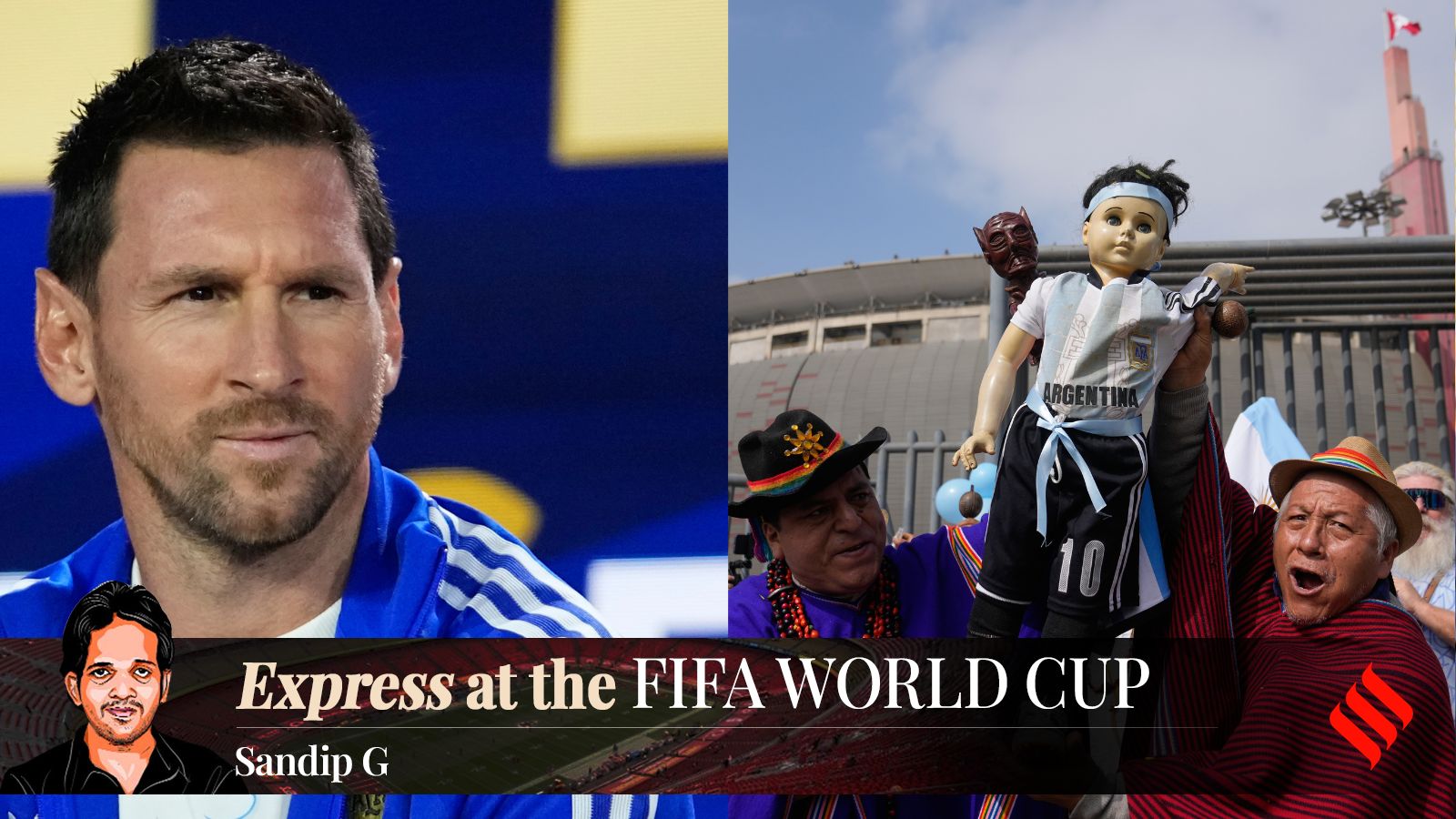
Lionel Messi on the left and Peruvian shamans perform a good luck ritual on the right. (AP photo)
In the basement of Javits Hall, supporters of Argentina and Spain fidgeted in the sinuous queue to the Fanatics Festival in the heart of New York, two days before the final in MetLife Stadium. The gruff security guard, stifling his yawn, quizzically verified the loyalties of every new entrant, “Spain in the line over there and Argentina down here. No fights, no punches please. I know you guys are sweet.”
Both groups of fans were separated by barricades nearly 50 m ahead but he had read about the skirmishes between England and Argentina fans in Times Square on Thursday.
The two lines, as if in a procession outside a temple, are unified in their singular wish. To spot the deity, Lionel Messi, who would be on stage for five fleeting minutes.
Each entry to the hall came at $82, and not all of the 10,000-odd crowd would be granted access to the hall. But they prayed and waited, with anxious yet jubilant eyes.
Some were wrapped in flags of their country, most in shirts of their favourite players. A Spain fan wore a curly wig like Marc Cucurella, the full-back who has a cult following. There were other celebrities, Rodri and Emi Martinez, Novak Djokovic, Kevin Durant and Tom Brady, in the whistle-stop show.
But all that mattered was Messi.
The most ubiquitous name on the shirt was No 10, Messi. Those in the Argentina line wore the blue and white stripes; some in the Spain queue wore Messi’s jerseys, too. The same No 10, but in the red and purple of Barcelona. “We will cheer for both Messi and Spain,” blared Nehemias Coellar. “It’s a cruel choice, I know. Maybe I want to see Messi win, because this would be his last World Cup. Lamine (Yamal) is still young and has time to win more in his life,” he added.
Argentina fan Miguel Galego from Santa Fe was in Qatar when Messi lifted the World Cup. He showed the selfie. “But I want to witness the moment once more,” he said.
Story continues below this ad
The all-pervading protagonist of the final is Messi, whether he will bow out with a second title on the spin, one that would, for his devout, end all debates of whether he is the greatest of all time, bigger than Diego Maradona and Pele. Or whether the slickly oiled Spanish technicians would end his career in heartbreak, or if the whizkid Yamal announces himself as Messi’s spiritual successor on the grand stage, when No 19 displaces No 10 as the sport’s identity.
Lionel Messi in action. (AP photo)
It’s a heavy burden on Yamal’s lithe shoulders, but he has a happy knack of wearing burdens lightly. “I don’t try to be another Messi or Cristiano (Ronaldo),” he had said.
Some fans waved printouts of the viral photograph of Messi bathing Yamal when he was four months old. Later in the evening, when the feverish crowd had their sacred wish granted, the American footie legend Brady asked Messi about the story behind the photoshoot. Messi, wearing a jacket over a printed T-shirt and knee-length shorts baring the sword and angel tattoo, sheepishly replied, in Spanish: “It’s insane. That picture with Lamine, now we are facing off in a final after a photo was taken when he was a baby.”
Messi was 20 then, a marvel of the world yet to conquer the heights he would. Yamal is in the same junction, a leap away from greatness, precious gifts yet to be harnessed.
Story continues below this ad
“I’ve followed him a lot because he plays for a club I love so much. He has a chance to achieve something historic,” he stopped and added in an unusually menacing tone: “We’re going to try to make sure that doesn’t happen this time.”
But viewing the game through a Messi-Yamal prism is myopic vision. It’s a multi-layered contest, spoilt for theme. The escape artistes with the touch artistes, the unbreakable versus the unbeatable, expression of individual supremacy pitted against triumph of collectivism, the colonised against the former colonialists, friends against friends, Messi for his country of birth against one that shaped him. And Spain manager Luis de la Fuente in a battle of wits with his former apprentice Lionel Scaloni. Both shared a warm hug during the event, and probably would after the game, irrespective of Sunday’s result.
Both sides have individuals other than Messi, who leads the golden boot with eight strikes and four assists, and Yamal, to define games. Spain’s captain Rodri is a midfielder who dictates the game’s rhythms with unmatched passing range; Fabian Ruiz dismembers opponents with unpredictably fluid movements. The backline is elegant as well as efficient, beaten only once in the tournament as Spain have conceded just one goal. Their speed and high press, when they lost possession, rattled the devastating France; their captain Rodri called for a better game from his troops.
But heroes have sprung for Argentina in clutch moments. Enzo Fernandez’s curler ignited the stirring fightback against England that they cinematically wrapped up with the Lautaro Martinez header. Pedro Porro, Lisandro Martinez and Julian Alvarez have all seized their moments when their team’s fortunes hinged on the balance.
Story continues below this ad
Argentina wouldn’t mind Spain hogging the possession, as they prefer to, but would look to storm them in short, explosive bursts, like the calm seas that suddenly produce savage waves.
De La Fuente snubbed a reporter when asked if Spain were the overwhelming favourites. “There are two super teams. There are many similarities in behaviour and talent in footballers. No one is a favourite, not in a final,” he said. But whatever the script or climax, the protagonist would be Messi.
View original source — Indian Express ↗
Related stories
Sky Sports
SportsJul 18, 2026 · 1 min
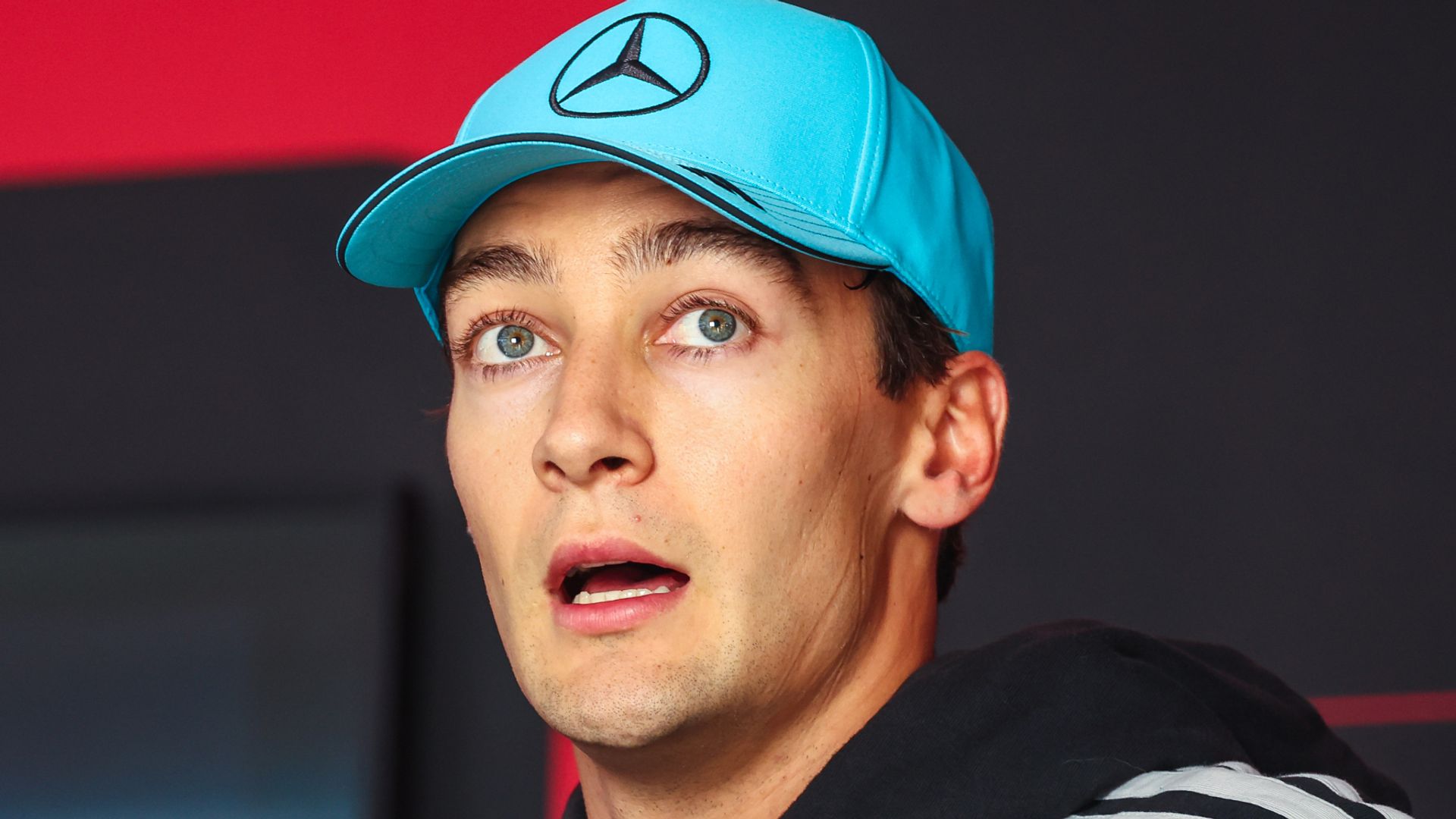
'Not my driving style' - Russell changes mind over reason for Antonelli deficit
Sky Sports
Sky Sports
SportsJul 18, 2026 · 1 min
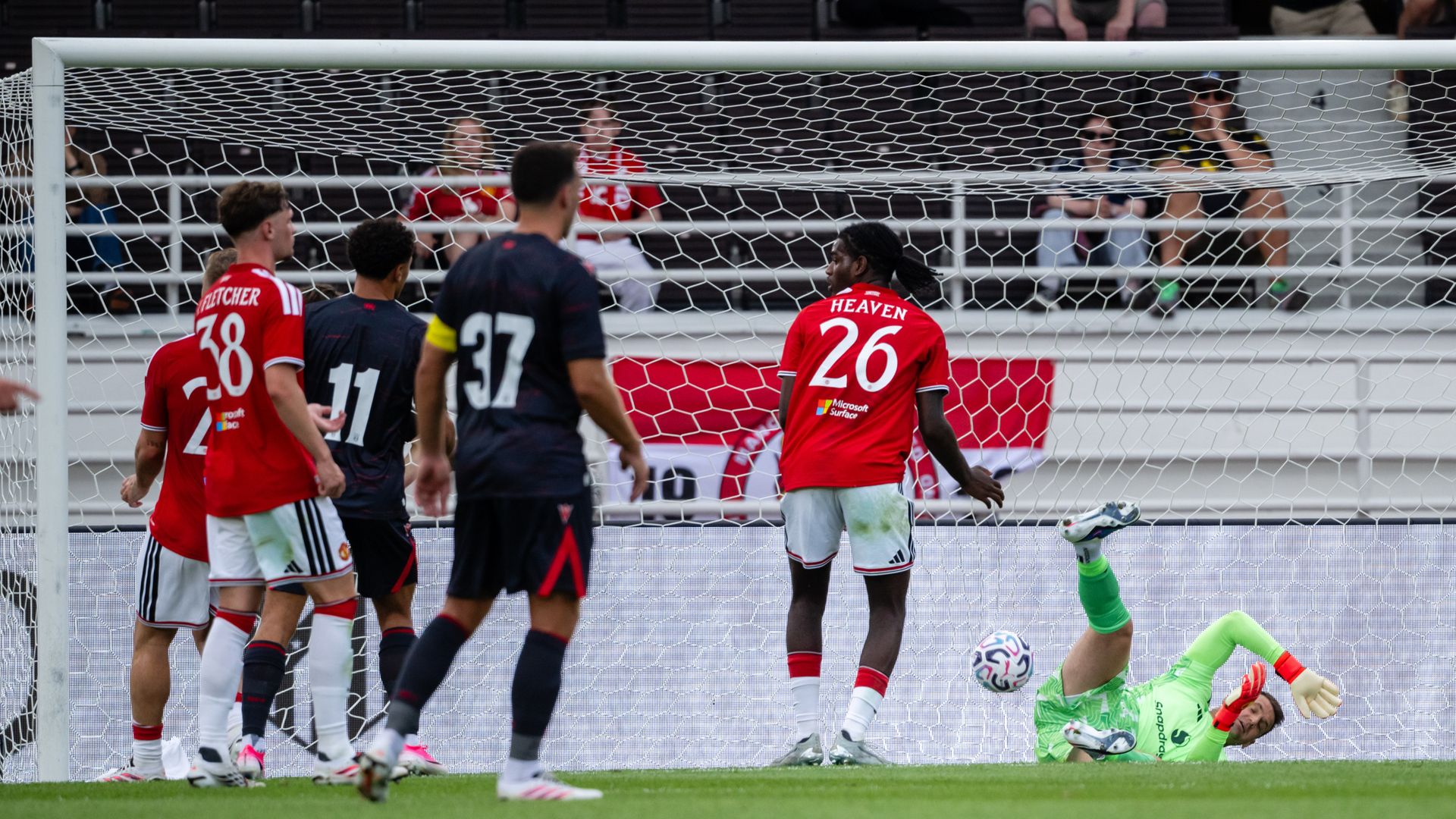
Santos debuts as Man Utd beaten by Wrexham in opening pre-season clash
Sky Sports
Sky Sports
SportsJul 18, 2026 · 1 min
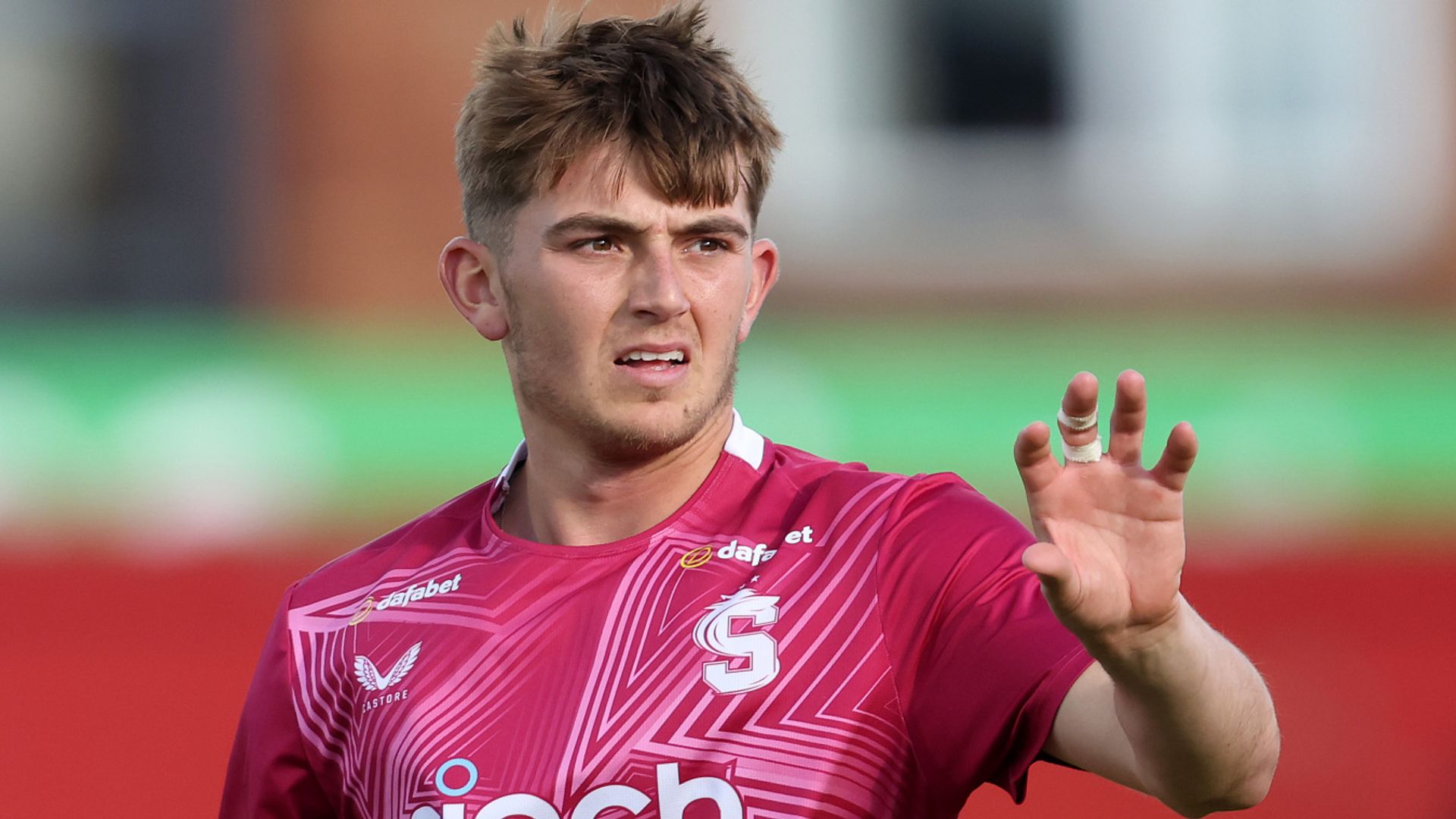
Vitality Blast Final LIVE! Northamptonshire take on Hampshire at Edgbaston
Sky Sports
Sky Sports
SportsJul 18, 2026 · 1 min
World Matchplay 2026 LIVE! Build-up to night one with Littler in action
Sky Sports