Indian Express
Indian Express··5 min read
Accused not identified in 55% cases: Data on crimes against North-East Indians in Delhi
4 min readNew DelhiUpdated: Jun 18, 2026 03:24 AM IST
Significantly, this year has seen a rise in crime against people from the North-East. Earlier in 2026, two women from Assam alleged they were assaulted and subjected to racist remarks near South Delhi’s Nehru Place. In another case, three women from Arunachal Pradesh alleged racial abuse by neighbours in Malviya Nagar.
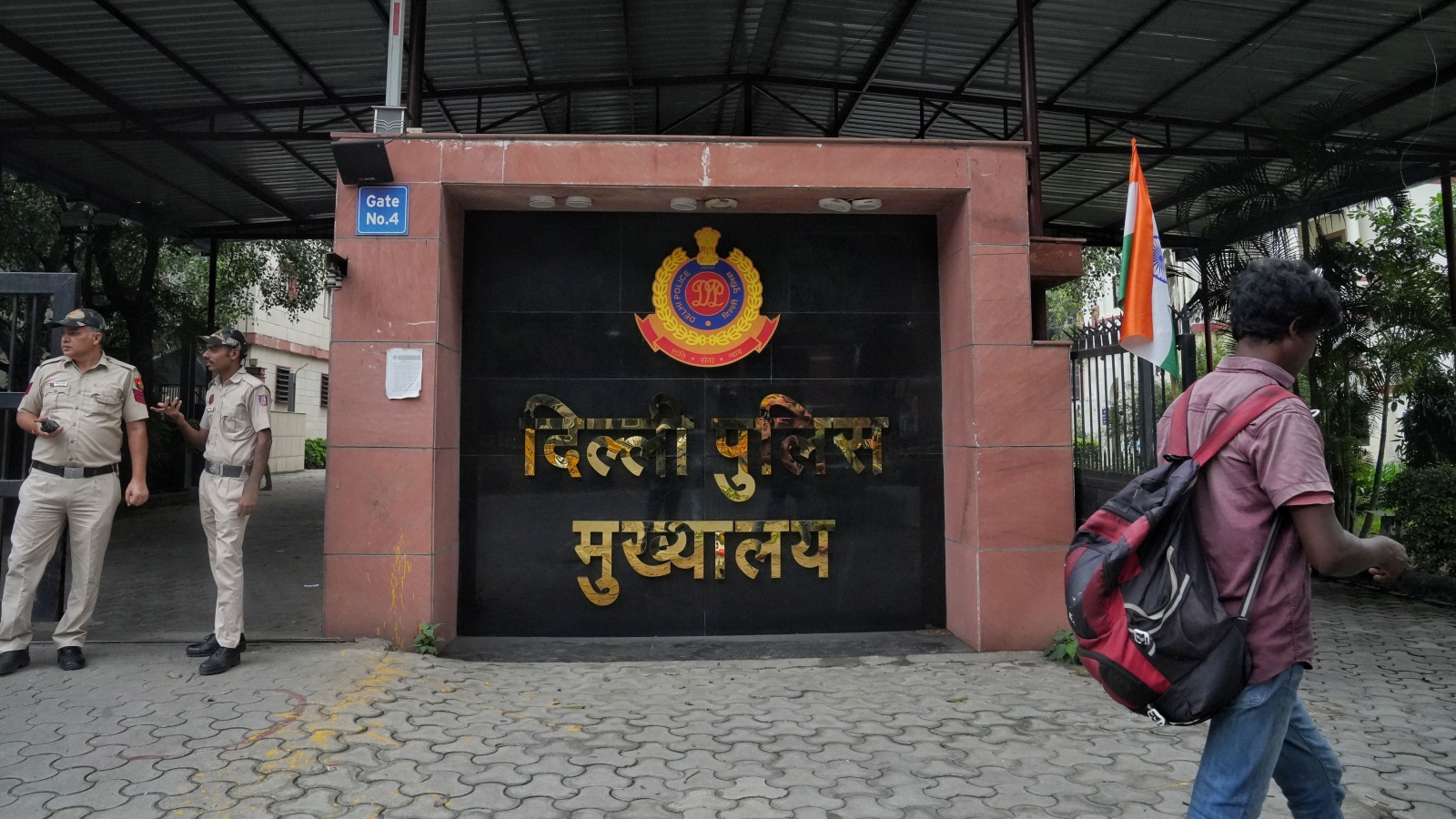
More than half of the accused persons in the FIRs registered in Delhi over the past 12 years for crimes against people from the North-East have remained “untraced”, according to Delhi Police data accessed by The Indian Express, underscoring persistent gaps in investigations despite the creation of a specialised police unit intended to address such cases.
“Untraced” here refers to accused whom the police could not identify, locate or apprehend despite conducting probes. For more than a decade, the Delhi Police has registered thousands of complaints involving crimes against people from India’s North-East. But in most of those cases, data now reveals, investigators have not identified those responsible.Of the 2,656 FIRs filed between 2014 and April 30, 2026, 1,465 — nearly 55% — were classified as untraced. Only 33 cases resulted in conviction, producing a conviction rate of 1.82 per cent.
Sources said that senior police officers have recently directed the ACP Headquarters to review cases in which investigations have remained pending for more than two years.
Data also shows that another 771 cases remain pending trial, while 74 are still under investigation. The concentration of cases is uneven across 15 police districts in Delhi.
South West district recorded 982 FIRs – roughly 37 per cent of all complaints during the period – and also reported the largest number of untraced cases, at 583. South district registered 412 FIRs, including 219 untraced cases. South East district and Dwarka recorded 226 and 223 FIRs respectively. Combined, the four districts account for nearly 70% of all FIRs involving members of the North-East community.
Outcomes varied sharply across districts.
Outer North recorded the highest conviction rate at 11.7%, followed by Rohini at 11.1%, West district at 7.69% and Dwarka at 7.14%. But those districts accounted for comparatively few cases. South West district, despite recording the highest volume of complaints, reported only 11 convictions. Several districts and specialised units – including North East, East, Railway, Metro, IGI Airport and Special Cell – recorded no convictions during the period covered
by the data.
The figures arrive more than a decade after Delhi Police created its North-East Cell, a specialised unit established in 2014 following recommendations made by the M. P. Bezbaruah Committee. The committee was constituted by the Union Ministry of Home Affairs after the death of Nido Tania, a student from Arunachal Pradesh, and was tasked with examining racial discrimination, harassment and violence faced by people from the North-East in Indian cities.The North-East Cell was intended to serve as a nodal agency: addressing grievances, monitoring criminal cases, coordinating with district police, maintaining data and conducting outreach among residents from the region living in Delhi.
Story continues below this ad
Its creation, police officers said, reflected an institutional recognition that members of the North-East often faced distinct barriers in reporting crimes and navigating the justice system.
“More than a decade after the death of Nido Tania prompted calls for institutional reform, the data raises broader questions about whether improvements in reporting mechanisms have translated into stronger investigations, faster trials and better outcomes for victims.Yet the latest data suggests that those structural concerns remain unresolved,” a senior officer said.
Significantly, this year has seen a rise in crime against people from the North-East. Earlier in 2026, two women from Assam alleged they were assaulted and subjected to racist remarks near South Delhi’s Nehru Place. In another case, three women from Arunachal Pradesh alleged racial abuse by neighbours in Malviya Nagar.
© The Indian Express Pvt Ltd
Sakshi Chand is an Assistant Editor at The Indian Express, based in New Delhi. With over a decade of experience in investigative journalism, she is a leading voice on crime, the prison system, and institutional governance in the National Capital.
Professional Background
Specialization: Her reporting focus includes high-stakes crime, national security, prison reforms, and traffic governance.
Key Coverage: She has been on the frontlines of major events such as the 2G spectrum case, the 2020 North-East Delhi riots, and communal clashes across Uttar Pradesh (Kasganj, Aligarh).
Earlier Career: Before joining The Indian Express, she was a reporter for The Times of India.
Personal Interests: Outside of her career in journalism, Sakshi is a National-level basketball player and coach, bringing a unique sporting discipline to her professional life.
Major Recent Coverage (Late 2025)
Her reporting in the latter half of 2025 has been dominated by a major terror investigation and administrative accountability:
1. The Red Fort Blast Investigation
Throughout November and December 2025, Sakshi led the coverage of a car explosion near Delhi's Red Fort:
Forensic Breakthroughs: She reported on the use of TATP and ammonium nitrate in the IED and identified the shops where raw materials were sourced (Nov 14-16, 2025).
The "i20 Route": She meticulously tracked the journey of the vehicle used in the blast, tracing it to a Pulwama-based resident who entered Delhi via the Badarpur toll plaza (Nov 12, 2025).
Victim Support: She recently reported on the Delhi Police providing a list of damaged vehicle owners to the Finance Ministry to expedite insurance claims for those caught in the blast (Dec 4, 2025).
2. Crime & Police Accountability
"Crackdown on Extortion Gangs": In December 2025, she reported on a syndicate that was blackmailing traffic cops. Following five arrests, the Special CP directed officers to report all such attempts (Dec 12, 2025).
"Corruption in the Ranks": She covered the arrest of five Delhi Police personnel by the Vigilance branch following a wave of public complaints (May 19, 2025).
Cold Cases & International Murders: She has extensively tracked the case of a man who allegedly killed his wife in London and fled to India, reporting on his "Proclaimed Offender" status and the denial of his anticipatory bail (May 2025).
3. Governance & Public Policy
"13,000 Homes for 90,000 Cops": A data-driven feature on why the majority of Delhi Police personnel are forced to live on rent despite the city's housing projects (May 4, 2025).
Traffic Decongestion: Using her interest in urban logistics, she detailed how the Traffic Police eased congestion on Vikas Marg by switching off signals and creating U-turns (April 2, 2025).
Signature Style
Sakshi Chand is known for a data-driven and investigative approach. She frequently uses forensic reports, CCTV analysis, and administrative data to go beyond the "official version" of a crime story. Her work in prison reporting is particularly noted for highlighting the legal and humanitarian conditions of foreign detention centers and local jails. ... Read More
Stay updated with the latest - Click here to follow us on Instagram
Tags:
Delhi Police
New Delhi
View original source — Indian Express ↗
Related stories
Indian Express
NewsJun 4, 2026 · 1 min
Acquittals outnumber convictions in Chandigarh: NCRB
Indian Express

Folha de S.Paulo
NewsJun 17, 2026 · 1 min
U.S. Government Says Brazilian Man Arrested Was CV and PCC Leader, but Convictions Show No Link
Folha de S.Paulo

Straits Times
NewsJun 4, 2026 · 1 min
Outrage in France as body found in missing girl case
Straits Times

Bloomberg
BusinessJun 17, 2026 · 1 min
Asia Reports Sharp Rise in Cybercrimes and Scams, Interpol Says
Bloomberg