Indian Express
Archana Puran Singh’s younger son has been asked to avoid roti: ‘Bechara…steamed rice’
3 min readNew DelhiJun 22, 2026 07:00 PM IST
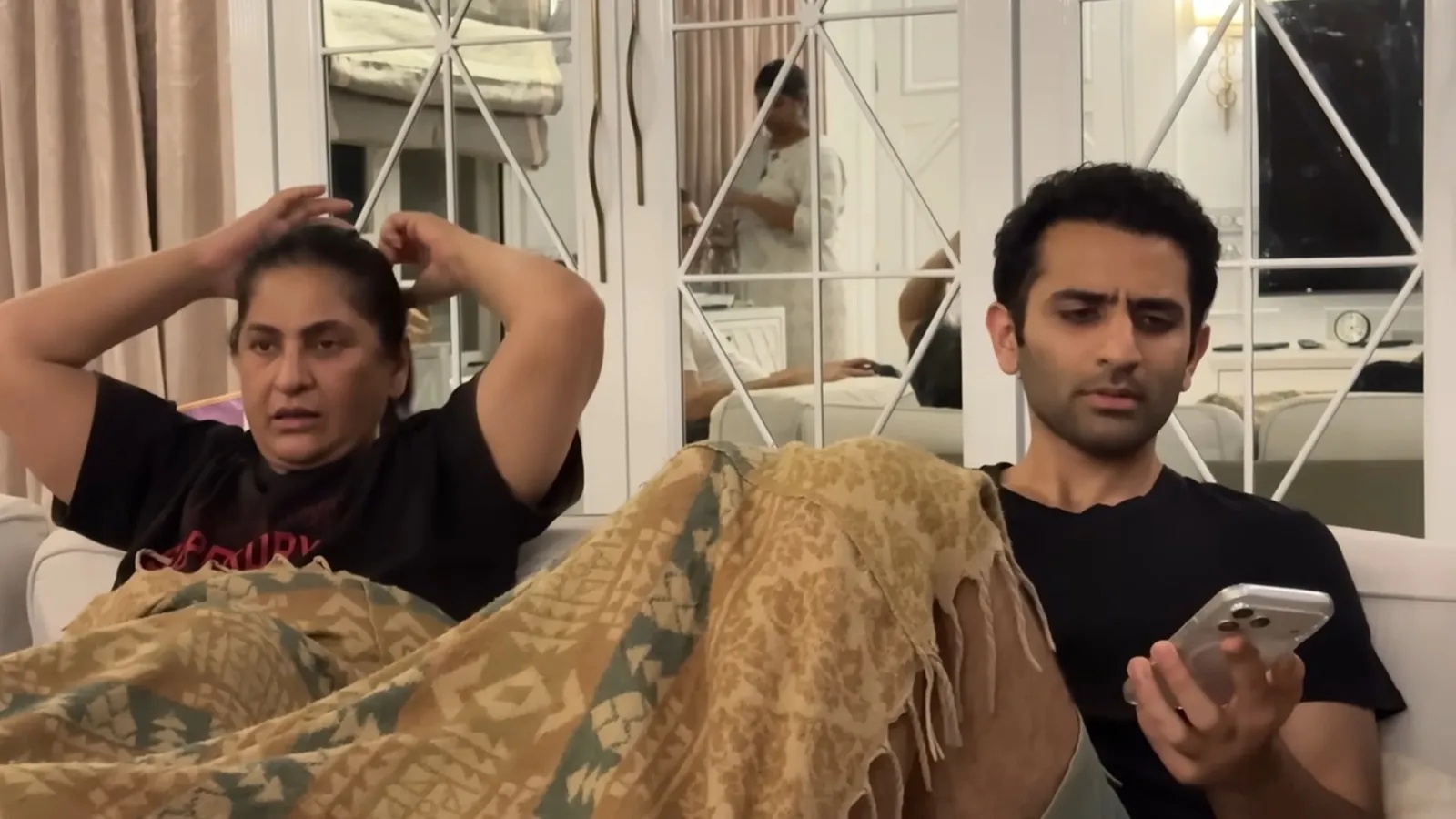
Archana Puran Singh recently shared that her younger son, Ayushmaan Sethi, has been advised to avoid rotis. “Steamed rice because Ayushmaan’s nutritionist has advised him to avoid roti. So, bechara…he is eating steamed rice,” she shared on her older son Aaryamann’s YouTube vlog.
DISCLAIMER: This article is based on information from the public domain and/or the experts we spoke to. Always consult your health practitioner before starting any routine.
The debate over rice versus roti often becomes overly simplistic. “One is not inherently better than the other. The right choice depends on a person’s body type, activity levels, health goals, digestion, and overall eating habits,” stressed Dt Amreen Sheikh, chief dietitian, KIMS Hospitals, Thane.
According to Sheikh, many view roti as the healthier choice because it has more fibre, especially if made from whole wheat. “Rice often gets a bad rap for causing weight gain or blood sugar spikes. But food doesn’t act alone. The amount, cooking method, meal makeup, and a person’s nutritional needs matter much more than just one ingredient.”
Why would a nutritionist recommend avoiding roti and opting for steamed rice?
There could be several reasons. “Some people find rice easier to digest than wheat. If someone has bloating, discomfort, or specific gut issues, rice might be a better temporary choice,” said Sheikh.
Is steamed rice healthy? (Photo: Getty Images/Thinkstock)
In some fitness or body-composition plans, nutritionists might change carbohydrate sources based on workout schedules, calorie goals, or individual reactions to foods. “Rice is often easier to digest and can be useful around exercise times because it gets absorbed pretty quickly,” said Sheikh.
Story continues below this ad
However, this doesn’t mean roti is unhealthy or that everyone should stop eating it, she contended.
Should people begin replacing rotis after hearing these discussions?
Diet plans are very personal. “A food that works for one person may not work for another. Social media and celebrity discussions often suggest that cutting out a certain food automatically improves health, but nutrition doesn’t usually work that way. The focus should be on balance, not on labeling foods as “good” or “bad.” Rather than asking if rice is better than roti, a more useful question is whether the overall meal includes the right portions of carbohydrates, protein, fibre, and healthy fats,” said Sheikh.
View original source — Indian Express ↗
Related stories

Deadline
EntertainmentJun 22, 2026 · 1 min
‘The Devils’ Teaser: Ken Russell’s Long-Censored Feature Set To Finally Hit Cinemas Via Warner Bros.’ Clockwork
Deadline

The Hollywood Reporter
EntertainmentJun 22, 2026 · 1 min
A24 and Google DeepMind to Form an AI Venture
The Hollywood Reporter

E! Online
EntertainmentJun 22, 2026 · 1 min
Why Khloe Kardashian Is Now Honest About Her Cosmetic "Enhancements"
E! Online

The Hollywood Reporter
EntertainmentJun 22, 2026 · 1 min
A ‘Gabby’s Dollhouse’ Competition Series Is Coming to Netflix
The Hollywood Reporter