Indian Express
Indian Express··3 min read
Gujarat High Court quashes POCSO FIR after girl says she married the man she ‘eloped’ with when she turned 18
2 min readVadodaraJun 23, 2026 04:35 PM IST
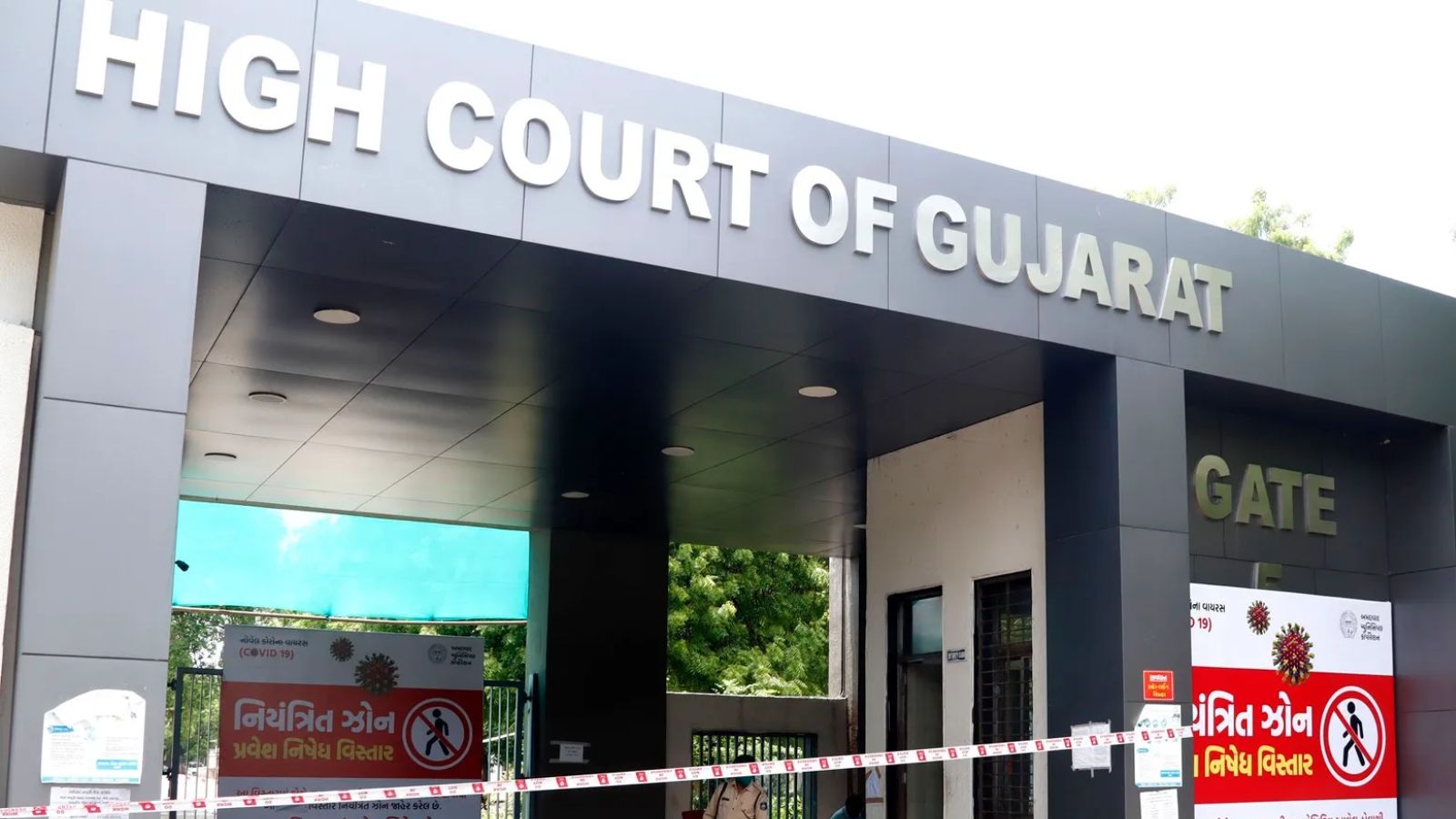
Justice M R Mengdey of the Gujarat High Court on June 16 allowed a petition filed by the applicant, quashing the FIR registered at Surendranagar district, along with "all other consequential proceedings thereof."
(File Photo)
A year after a woman filed a police complaint accusing a man of abducting her minor daughter, the Gujarat High Court has quashed the FIR after the daughter herself walked into the courtroom and filed an affidavit in favour of the accused, producing a marriage certificate to show that she married the man when she turned 18.
Justice M R Mengdey of the Gujarat High Court on June 16 allowed a petition filed by the applicant, quashing the FIR registered at Surendranagar district, along with “all other consequential proceedings thereof.”
The case originated from a complaint filed on February 12, 2025, by the girl’s mother, who alleged that the man had abducted her daughter five days earlier. At the time of the incident, the girl was a minor. Based on the complaint, police registered offences under Sections 137(2) and 87 of the Bharatiya Nyaya Sanhita (BNS), 2023, as well as Section 12 of the Protection of Children from Sexual Offences (POCSO) Act.
Seeking relief, the man had approached the High Court contending that the criminal case stemmed from family opposition to their relationship rather than any criminal intent.
During the proceedings, the court was informed that the girl had filed an affidavit stating that she and the applicant had been in a relationship and that she had “voluntarily eloped” with him. She further stated that after attaining the legal age for marriage, she married the applicant on February 21, 2026, and was presently residing with him as his wife. A copy of the marriage certificate was also produced before the court.
The victim’s mother, despite being served notice, did not appear before the court even as the Additional Public Prosecutor opposed the petition. Examining the record, the court noted that the affidavit placed before it indicated “there was a love affair between herself and the petitioner and because of the same, she had eloped with the petitioner.”
The court noted that on February 21, 2026, “after she attained the marriageable age, she performed marriage with the petitioner,” and that a copy of the marriage certificate had also been produced on record.
Story continues below this ad
“Having regard to these aspects, the petition deserves to be allowed,” Justice Mengdey held, quashing the FIR.
© The Indian Express Pvt Ltd
Aditi Raja is an Assistant Editor with The Indian Express, stationed in Vadodara, Gujarat, with over 20 years in the field. She has been reporting from the region of Central Gujarat and Narmada district for this newspaper since 2013, which establishes her as a highly Authoritative and Trustworthy source on regional politics, administration, and critical socio-economic and environmental issues.
Expertise:
Core Authority & Specialization: Her reporting is characterized by a comprehensive grasp of the complex factors shaping Central Gujarat, which comprises a vast tribal population, including:
Politics and Administration: In-depth analysis of dynamics within factions of political parties and how it affects the affairs in the region, visits of national leaders making prominent statements, and government policy decisions impacting the population on ground.
Crucial Regional Projects: She consistently reports on the socio-economic and political impact of infrastructure projects in the region, especially the Statue of Unity, the Sardar Sarovar Project on the Narmada River, the Mumbai-Ahmedabad High Speed Rail bullet train project as well as the National Highway infrastructure.
Social Justice and Human Rights: Her reporting offers deep coverage of sensitive human-interest topics, including gender, crime, and tribal issues. Her reports cover legal proceedings from various district courts as well as the Gujarat High Court (e.g., the Bilkis Bano case remission, POCSO court orders, Public Interest Litigations), the plight of tribal communities, and broader social conflicts (e.g., Kheda flogging case).
Local Impact & Disaster Reporting: Excels in documenting the immediate impact of events on communities, such as the political and civic fallout of the Vadodara floods, the subsequent public anger, and the long-delayed river redevelopment projects, Harni Boat Tragedy, Air India crash, bringing out a blend of stories from the investigations as well as human emotions.
Special Interest Beat: She tracks incidents concerning Non-Resident Gujaratis (NRIs) including crime and legal battles abroad, issues of illegal immigration and deportations, as well as social events connecting the local Gujarati experience to the global diaspora. ... Read More
Tags:
FIR
Gujrat
high court
POSCO Act
View original source — Indian Express ↗
Related stories

The Punch
NewsJun 23, 2026 · 1 min
INEC presents certificates of return to June 20 by-elections winners
The Punch
The Punch
NewsJun 23, 2026 · 1 min
Sowore’s remand dangerous for democracy — Peter Obi
The Punch
The Punch
NewsJun 23, 2026 · 1 min
Suspect in viral abuse video now in custody, 18-year-old taken as child — Activist
The Punch
The Punch
NewsJun 23, 2026 · 1 min
Lagos seals i-Fitness gym over pollution
The Punch