Indian Express
Kailash Mansarovar Yatra 2026: What every pilgrim must know
Indian Ambassador to China Vikram Doraiswami, who recently visited Tibet to review arrangements for the ongoing 2026 Kailash Mansarovar Yatra, has urged pilgrims to prepare thoroughly for the physically demanding journey. Stressing the need for waterproof footwear, layered clothing, UV protection and awareness about oxygen scarcity at high altitudes, the envoy also advised travellers with pre-existing medical conditions to consult their doctors before embarking on the pilgrimage.
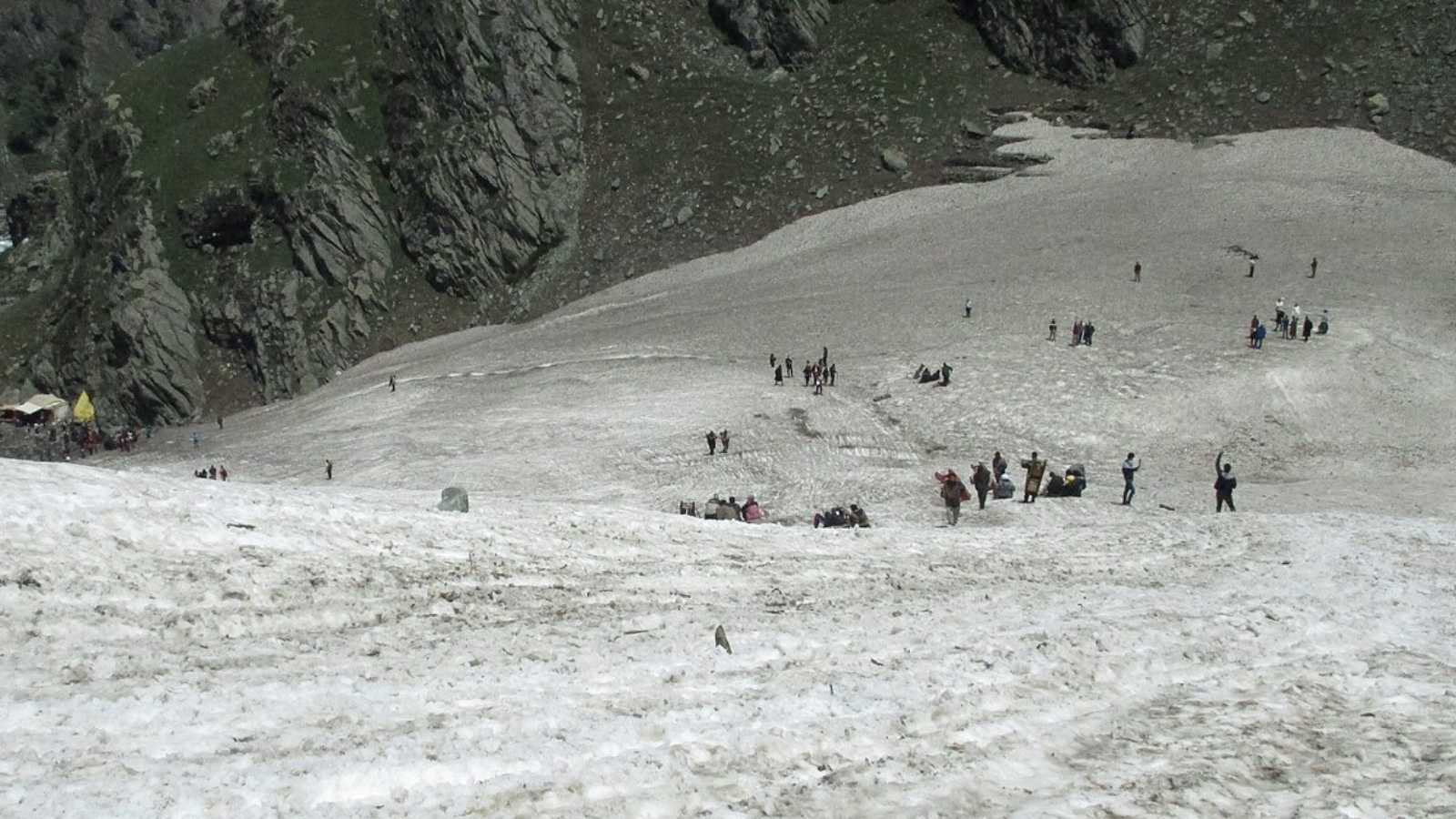
The annual yatra, which runs through August via the Lipulekh Pass in Uttarakhand and Nathu La Pass in Sikkim, attracts thousands of devotees hoping to visit Mount Kailash, revered as the abode of Lord Shiva, and take a holy dip in the sacred Mansarovar Lake. However, beyond its spiritual significance, the journey presents serious physical challenges that require careful preparation.
DISCLAIMER: This article is based on information from the public domain and/or the experts we spoke to.
Mountaineer and environmentalist Pradeep Sangwan, who runs Healing Himalayas, says that understanding the risks of high-altitude travel is essential for a safe and fulfilling pilgrimage.
On altitude sickness
One of the biggest concerns for Kailash Mansarovar pilgrims is altitude sickness, which can affect even healthy travellers. “Early signs of altitude sickness include persistent headache, dizziness, nausea, unusual fatigue, breathlessness at rest and difficulty sleeping,” says Sangwan. “Pilgrims should never ignore symptoms that continue to worsen.”
The reduced oxygen levels at high altitude can place significant stress on the body. According to Sangwan, preparation should begin weeks before departure.
“Regular walking or cardiovascular exercise, maintaining proper hydration, gradual acclimatisation and a pre-trip health check-up can make a significant difference,” he explains.
Story continues below this ad
He emphasises that fitness alone does not guarantee protection from altitude-related illnesses, making awareness and caution equally important.
Dr Prateek Kumar, MBBS, DNB (Internal Medicine), Maccure Hospital, says that medications such as Acetazolamide can help prevent altitude sickness in selected pilgrims, particularly those with a history of altitude-related illness or limited acclimatisation time. However, he stresses that medicines should only be taken under medical supervision and are not a substitute for gradual acclimatisation, hydration, and physical fitness.
Who should take extra precautions?
“Senior citizens and those with pre-existing heart, lung, or metabolic conditions should undergo a thorough health assessment before undertaking the Kailash Mansarovar Yatra,” adds Dr Kumar.
Those with unstable medical conditions or individuals who are not medically fit for strenuous physical activity should avoid the yatra unless they have been cleared by their physician, adds Sangwan.
Embassy of India Welcomes #KMY2026 Pilgrims | Video 2: Ambassador @VDoraiswami Shares Parikrama Experience & Key Travel Tips#KailashManasarovarYatra2026 #IndiaInChina @MEAIndia @IndianDiplomacy pic.twitter.com/W2cEQv7slR
— India in China (@EOIBeijing) June 21, 2026
Packing smart can make all the difference
According to Sangwan, many first-time pilgrims underestimate the environmental conditions they will encounter. “Common mistakes include underestimating the cold, carrying inappropriate footwear, neglecting sun protection, overpacking and failing to train physically beforehand,” he says.
Story continues below this ad
The combination of strong ultraviolet radiation, freezing temperatures, wind exposure and rugged terrain requires thoughtful planning. “Pilgrims should pack layered clothing, sturdy trekking shoes, UV-protective sunglasses, sunscreen and essential medications. Equally important is building stamina well before the journey,” Sangwan advises.
Respecting the mountains
Beyond personal safety, Sangwan believes travellers have a responsibility towards the fragile Himalayan ecosystem. As pilgrims make their way to one of the world’s most sacred destinations, he echoes the ambassador’s appeal to keep the region clean and minimise environmental impact.
“A successful pilgrimage is not only about reaching Kailash; it is also about travelling responsibly and respecting the mountains that make this journey possible,” says Sangwan.
Note: This year’s yatra will see 10 batches of 50 pilgrims each travel via Lipulekh Pass in Uttarakhand, and another 10 batches of 50 pilgrims each journey through Sikkim’s Nathu La Pass.
Story continues below this ad
Mount Kailash has been trending on Google for past 24 hours.
DISCLAIMER: This article is based on information from the public domain and/or the experts we spoke to.
View original source — Indian Express ↗
Related stories

The Punch
EntertainmentJun 24, 2026 · 1 min
Actress Ini-Okojie welcomes baby boy, shares emotional birthday post
The Punch

Variety
EntertainmentJun 24, 2026 · 1 min
Eugene Jarecki Knew Streamers ‘Were Never Going to Touch’ His Julian Assange Documentary. So He’s Releasing It Through…
Variety

Variety
EntertainmentJun 24, 2026 · 1 min
Box Office: ‘Supergirl’ Aims for $50 Million and ‘Jackass’ Targets $10 Million Debut, but Neither Will Dethrone ‘Toy…
Variety

Deadline
EntertainmentJun 24, 2026 · 1 min
Jonathan Banks & Alexander Siddig Among Cast For Indie Pic ‘Words From The Oven’ Filming In Pennsylvania
Deadline