Philippine Daily Inquirer
Marcos eyes 2027 completion of Southeast Asia’s largest dialysis hub
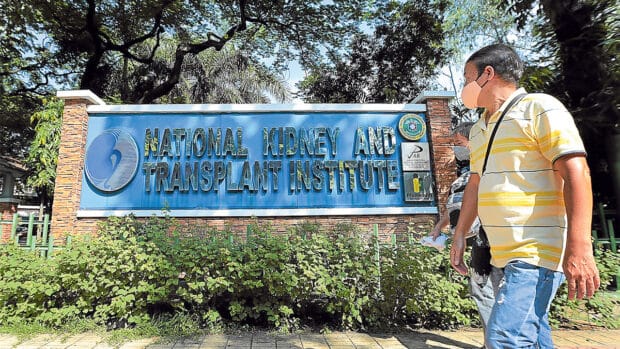
MANILA, Philippines – President Ferdinand Marcos Jr. on Friday ordered the immediate completion of the new Hemodialysis Building at the National Kidney and Transplant Institute (NKTI), which is set to become the largest dialysis center in Southeast Asia.
Once completed by the end of 2027, the 13-story facility will be able to accommodate up to 200 dialysis patients simultaneously.
READ: Chronic kidney disease: 1 Filipino develops it every 40 minutes
Article continues after this advertisement
“We’re speeding up the process. Before, funding was released in small increments, making it difficult to fast-track construction,” Marcos said in a statement after the inspection at the site.“So we changed the system by releasing the full funding upfront. That way, while work on the lower floors is ongoing and finishing is still underway, construction on the upper floors can already begin,” he added.
FEATURED STORIES
NEWSINFO
NEWSINFO
NEWSINFO
The president noted that 11 percent of Filipinos suffer from kidney disease, underscoring the need to expand services for patients.
“We hope to reduce the number of people with chronic kidney disease. But until that happens, we’re continuing to build hospitals so we can better serve patients, particularly those with CKD,” Marcos said.
He added that equipment installation is expected to begin by early 2027.
READ: More young Filipinos getting chronic kidney disease — and they learn too late
Article continues after this advertisement
He also highlighted the expanded benefits for kidney disease patients under the Philippine Health Insurance Corporation (PhilHealth), including coverage for up to 156 hemodialysis sessions annually.
The President also cited the increased Z Benefit Package for peritoneal dialysis, which now ranges from P389,640 to P500,140 per year for adults and from P510,000 to P1.2 million for pediatric patients.
Article continues after this advertisement
The kidneys are responsible for filtering waste products and excess water from the blood while also helping regulate the body’s sodium levels.
Health Secretary Ted Herbosa previously warned that one Filipino develops CKD every hour, with hypertension, diabetes, and smoking among the leading risk factors.
The World Health Organization (WHO) recommends consuming less than 2 grams of sodium per day, equivalent to about 5 grams of salt.
However, Filipinos consume an average of 4 grams of sodium, or about 10 grams of salt, daily, increasing their risk of developing CKD.
According to the Centers for Disease Control and Prevention, early-stage CKD often has no signs or symptoms, making regular screening important, especially for people at risk.
Your subscription could not be saved. Please try again.
Your subscription has been successful.
It recommends maintaining a healthy weight, staying physically active, quitting smoking, limiting alcohol consumption, and managing conditions such as diabetes and high blood pressure to help prevent kidney disease./dp
View original source — Philippine Daily Inquirer ↗
Related stories

The Punch
PoliticsJun 26, 2026 · 1 min
Ondo gov names new AAUA vice-chancellor
The Punch

BBC
PoliticsJun 26, 2026 · 1 min
Reflecting Pool liner cut with sharp knife or razor, National Park Service says
BBC

OnlineKhabar
PoliticsJun 26, 2026 · 1 min
Parenting shapes the adults our children become
OnlineKhabar
ABC News
PoliticsJun 26, 2026 · 1 min
South Australia's First Nations Voice to Parliament reforms revealed
ABC News