Indian Express
The many lives of mangoes: History, recipes and summer memories
The scourge of writing on food is that you get PR agencies swamping you with press releases selling everything from a cooking class to a “revolutionary range of chia seeds” to the strangest menu announcements. I usually delete these emails – but when I’m bored, I might click on one to see what new madness is being sold as the next best thing since sliced bread.
This time it was “India’s most-loved fruit through a unique Ayurvedic lens”. A menu which included the oddest combinations in the name of health – Mango Coconut Soup prepared with fresh mangoes and coconut milk, Mango Herb Dumplings, and handcrafted Mango Olive Ravioli.
I am a mango purist. Much like I am a prawn or hilsa purist. There are certain ingredients or produce whose taste is so superior and delicate that I do not think it should be cloaked in other ingredients. But there are some culinary preparations with mango that I quite love. But before I get to those, a little bit about where mangoes came to India from.
The Portuguese connect
For a fruit that is so ubiquitous across India – almost synonymous with this country, given how many crates of Alphonso mangoes are carted by people visiting family and friends outside India – it isn’t indigenous to India. Yes, we did have some local varieties, but it’s the Portuguese, who travelled to and then ruled Goa and parts of western India, who introduced grafting techniques to improve these varieties. And we can thank the Portuguese and their grafting techniques for the smooth and non-fibrous texture of the Alphonso mango pulp and its rich orangey-yellow colour.
The Alphonso mangoes which people cart by the kilo to foreign shores – which I still think are a poor cousin to the Langda – are named after Afonso de Albuquerque, a Portuguese general and viceroy who played a key role in establishing Portuguese colonies in India during the 16th century. Afonso also cultivated different variants of mangoes which were more suited to the European palate – these were firm and sweet and could be cut and sliced and scooped out instead of being squeezed and sucked.
Mughals’ love for mangoes
But we can’t give credit to just the Portuguese. Before they arrived on our shores, the Mughals were great appreciators of the mango. Akbar is supposed to have planted an orchard with 1 lakh mango trees. Babar was reportedly lured into defeating Ibrahim Lodi on the promise of a crate of mangoes. Babar’s son Humayun, who spent most of his life in exile, allegedly demanded that mangoes be delivered to him wherever he was in exile at the time. In fact, the Humayun Pasand, also known as Imam Pasand, is said to be named after him, and Sher Shah Suri named the Chausa after the Suri dynasty defeated Humayun’s armies in the Bihari village of the same name.
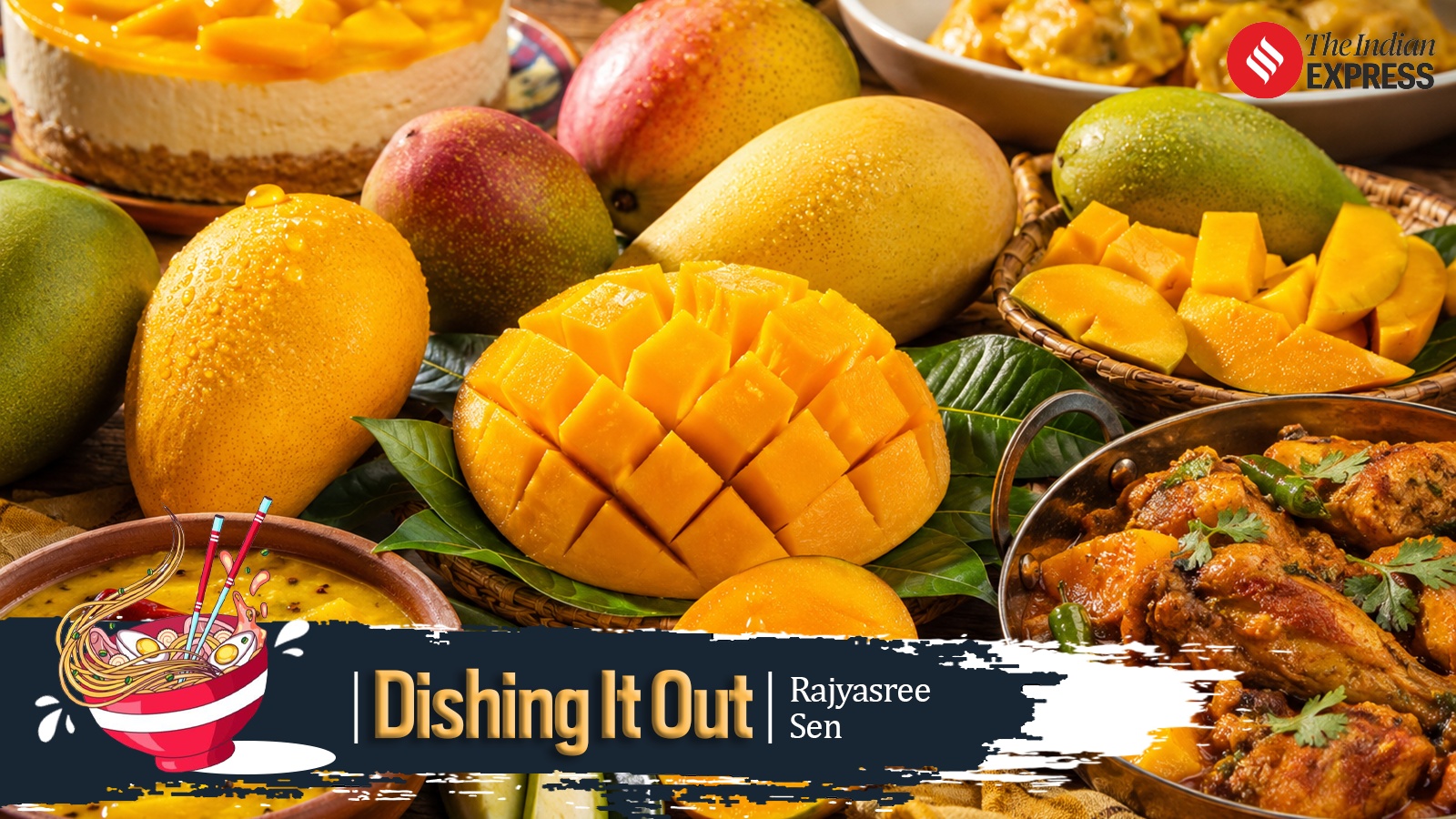
Here’s what you should consider (Photo: AI Generated)
My favourite mangoes are the Himsagar, the Langda, and I am quite the fan of the massive Safeda, which lends itself very well to baking and cooking. Which is a great way to savour mangoes, both when they are not too sweet, or when they are just becoming too soft and pulpy. My pick of preparations with mango would be the following.
Story continues below this ad
A homemade Mango “Pie” which really allows the mango to shine through. Make a biscuit base with crushed digestive biscuits and melted butter, and line a dish with it. Chop up mangoes – I would use Safeda and nothing fancier – and mix the mangoes with some cream, pour into your prepared dish, and allow to set in the fridge for at least 8 hours. The result is a cheesecake-esque cream pie with no added sugar and lots of flavour.
Tauk Dal with Mango
Another favourite is Tauk Dal or Dal with Green Mango and Ripe Mango. This is a slightly more detailed recipe, but incredibly easy to make.
Ingredients
Masoor dal – 1 cup
Green Mango – 1
Ripe Mango – 1
Dried red chillies – 4
Turmeric powder – ½ teaspoon
Salt – as required
Ghee – 1 tablespoon
Mustard seeds – ½ teaspoon
1. Soak the dal in water for half an hour, drain water, add 2 cups of clean water, turmeric powder and salt and pressure cook it for 4 whistles.
2. Cut the mango into thick slivers and add into the pressure cooker and cook under pressure for 1 whistle.
Story continues below this ad
3. Heat ghee in a pan and add the Mustard seeds and red chilis.
4. When they stop spluttering, pour into the cooked dal, stir and cook for another 3 or 4 minutes.
5. If the dal is too thick, add some water to make it a little more watery.
6. Serve with rice.
Mango Chicken Curry
The final recipe I’d urge you to try, and it was a pleasant surprise to me – is a chicken curry cooked with ripe mangoes. It sounds a little worrying, but it’s really quite delicious with its mix of sweet and spicy flavours.
Preparation:
Story continues below this ad
Freshly ground garlic paste – 1 ½ tablespoons
Freshly ground ginger paste – 1 ½ tablespoons
1 kg chicken with bones
1 teaspoon turmeric powder
3 tablespoons mustard oil
1 large onion – sliced
Slit green chilis – 4
Coriander powder – 1 1/2 teaspoons
Kashmiri chili powder – 1 ½ teaspoons
1 cup water
Salt to taste
1 large ripe mango, peeled and sliced
Garam masala – 1 teaspoon
Lime juice – 1 tablespoon
Chopped coriander
1. Marinate your chicken in the turmeric, ginger and garlic for an hour.
2. Sauté sliced onions with the green chilis, coriander powder, and Kashmiri chili powder.
3. Next, add the marinated chicken with its marinade into the pan and cook it over a medium flame till it changes colour.
4. Then add the thin slivers of freshly cut ripe mango to the curry and cook until the mango pieces are soft and breaking up.
Story continues below this ad
5. Add some water, salt, the lime juice and a teaspoon of freshly ground garam masala and serve hot.
The lesson in all these recipes is that there’s never a good reason to throw away mangoes which might be getting over-ripened. Cook with them. And there is a mango for every reason – some are so divine to taste, they must be savoured on their own. The others can be used to cook with and add a charm and piquancy which only a mango can.
Mango has been trending on Google for the past 24 hours.
Next week, I’ll be writing on the wonder of the egg and why all of us should include it in our diet – children and adults alike.
View original source — Indian Express ↗
Related stories

Rolling Stone
EntertainmentJun 26, 2026 · 1 min
Geese Take Denver: See the Photos
Rolling Stone

The Hollywood Reporter
EntertainmentJun 26, 2026 · 1 min
‘The Princess Diaries’ Revisited: Author Meg Cabot on New Graphic Novel and “Amazing” ‘Princess Diaries 3’ Script
The Hollywood Reporter

Variety
EntertainmentJun 26, 2026 · 1 min
Olivia Wilde’s ‘Invite’ Cast Talked About Their Own Marriages, ‘Sexual Dynamics’ to Prep for Filming
Variety

E! Online
EntertainmentJun 26, 2026 · 1 min
Alexa PenaVega, Daryl Sabara Detail Where Spy Kids Characters Are Now
E! Online