Indian Express
Why India adopted 112 as its universal emergency number
4 min readNew DelhiUpdated: Jun 27, 2026 10:33 AM IST
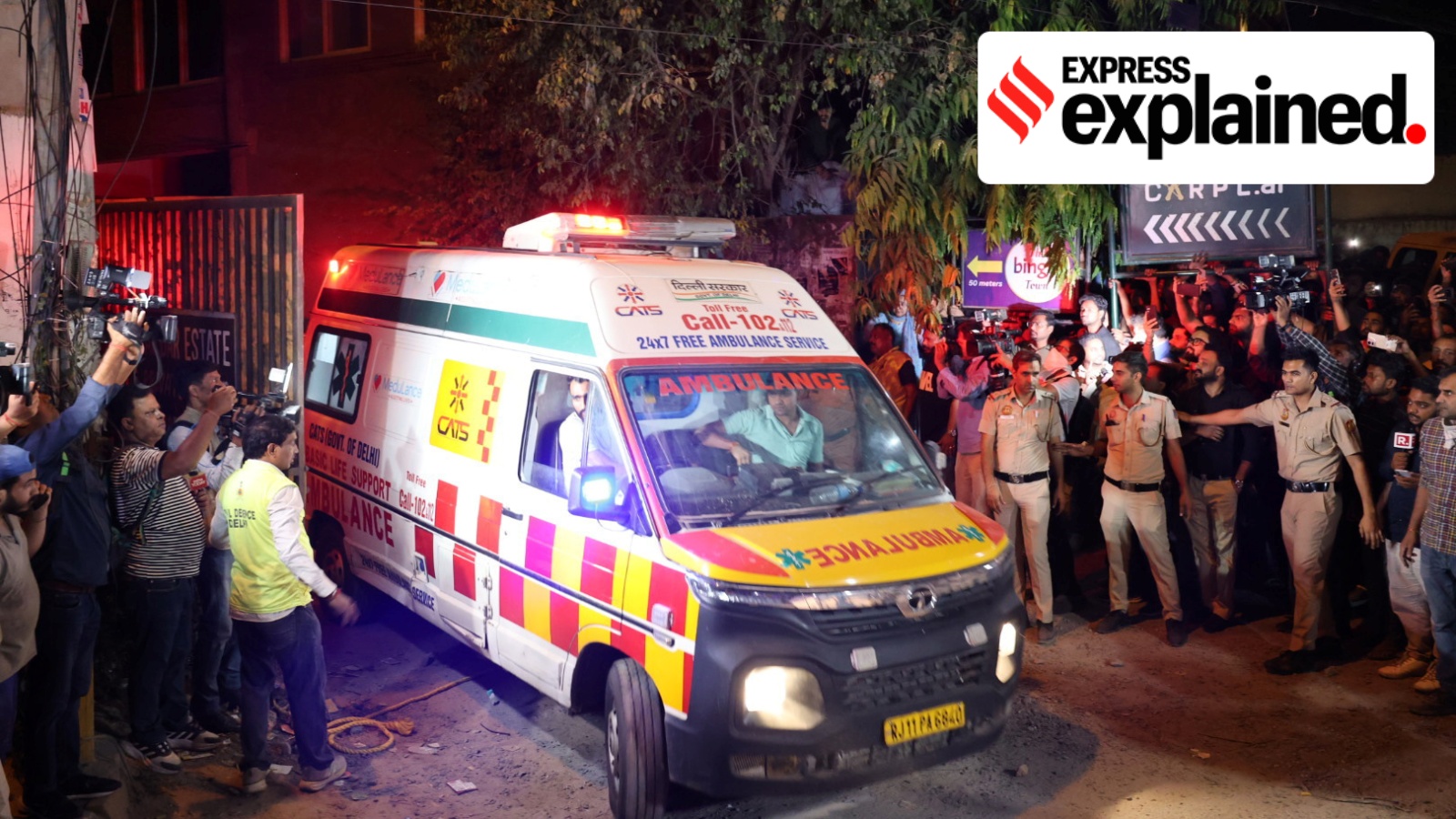
102 is the code for emergency medical services. Vivek Prakash Krishna
Which helpline do you dial when there’s a road accident? Or if there’s a fire? Or a medical issue?
This is often the first problem Indians face after an emergency — multiple helpline numbers that lead to confusion and delay the response.
To address this issue, the Union government launched the Nationwide Emergency Response System (NERS) number 112 in 2019 — just like the US’s 911. It was intended to subsume all emergency numbers — such as 100 (police), 101 (fire), 102 (emergency medical services), 108 (ambulance), 1033 (highway), 181 (women), 1098 (child) and 1091 (woman in distress) — into one common code.
But even after seven years of 112’s launch, The Indian Express has found from Supreme Court submissions that only five states and Union Territories — Delhi, Kerala, Gujarat, Haryana and Lakshadweep — have integrated all emergency helpline numbers into the 112 NERS.
Uttar Pradesh is close to achieving full integration, with only 102 (emergency medical services) left to be included.
On May 26, the Supreme Court gave all states and Union Territories three months to complete the technical and operational integration of all emergency numbers into the 112 helpline.
In all this, there’s one question that arises — why is India’s universal helpline code 112 and not any other number?
Story continues below this ad
Why 112 is India’s common emergency number
It’s not just India that has adopted this code. The 112 helpline number is also used by European member states and many other countries.
It was the European Conference of Postal and Telecommunications Administrations (CEPT) that first recommended 112 as a common emergency number, way back in 1976. And it did so for two practical reasons.
“First, telephones at that time had rotary dials, and dialing ‘112’ took the least amount of time. Second, dialing the number ‘3’ would lock the dial, so even if the phone was locked, ‘112’ could still be dialed,” says a 2019 report by the Uttar Pradesh government.
The CEPT also chose different digits rather than repeated digits like 111 or 999 to prevent accidental dialing.
Story continues below this ad
In modern-day touchscreens, too, the numbers 112 are easier to dial rather than, say, 108 or 102.
Why India decided to get a common helpline number
In India, the decision to launch 112 ERSS system was taken on the basis of recommendation made by an expert committee on 2012 Delhi bus gangrape case. The Justice J S Verma committee — which also included former High Court Justice Leila Seth and former Solicitor General of India Gopal Subramanium — recommended setting up a public emergency response system that would have the ability to dispatch an emergency response unit to respond to and close emergency calls.
Following this, the Department of Telecommunications allotted the emergency number 112 and the Ministry of Home Affairs formally launched it across India on February 19, 2019 through the Nirbhaya fund to provide a one-stop solution to all kinds of emergencies.
In their responses to the Supreme Court, 16 states said they have partially integrated multiple helplines into the common code. Ten states had not carried out any integration. Three states’ responses were not available.
How would a 112 code help?
Story continues below this ad
Apart from being a single emergency number, the 112 system provides a centralised mechanism to monitor resources at the district or state level. Uttar Pradesh, for instance, has developed a command centre in Lucknow from where it deals with emergency calls across the state.
“UP-112 was started in 2017. We have 6,278 police response vehicles that are deployed at hotspots. We get more than 30,000 calls daily and have integrated 25 services which also include ‘safe city Lucknow’, ‘Lucknow smart city’, ‘UPSRTC mobile app’ and ‘child line’, etc. We have recently integrated ‘PM-Rahat’ where we provide details of the nearest hospital where you can get cashless treatment. A centralised system helps in managing the resources better,” said a senior official of UP-112.
This official said: “When we get a call, the system creates an event or ticket according to the emergency — like fire, ambulance or police — and triggers the nearest police response vehicle.”
Dheeraj Mishra is a Principal Correspondent with the Business Bureau of The Indian Express. He plays a critical role in covering India's massive infrastructure sectors, providing in-depth reporting on the connectivity lifelines of the nation.
Expertise & Focus Areas: Mishra’s journalism is focused on two of the country's most capital-intensive and public-facing ministries:
Ministry of Railways: Tracking the operations, safety, and development of India's vast railway network.
Ministry of Road Transport & Highways: Covering policy decisions, infrastructure projects, and highway development.
What sets Mishra apart is his rigorous use of the Right to Information (RTI) Actas a primary tool for news gathering. By relying on official data and government records, he ensures a high degree of accuracy and trustworthiness in his reporting. This data-driven approach has resulted in numerous impactful reports that hold public institutions accountable and bring transparency to government operations.
Find all stories by Dheeraj Mishra here ... Read More
Tags:
Express Explained
View original source — Indian Express ↗
Related stories

Straits Times
TechnologyJun 27, 2026 · 1 min
US safety agency ends power steering probe into 376,000 Tesla EVs
Straits Times
The Next Web
TechnologyJun 27, 2026 · 1 min
US clears Anthropic to restore Mythos 5 to a small group of cyber defenders, but Fable 5 stays dark
The Next Web

NPR
TechnologyJun 27, 2026 · 1 min
Inside a secretive Ukrainian team launching deep drone strikes at Russia
NPR
Indian Express
TechnologyJun 27, 2026 · 1 min
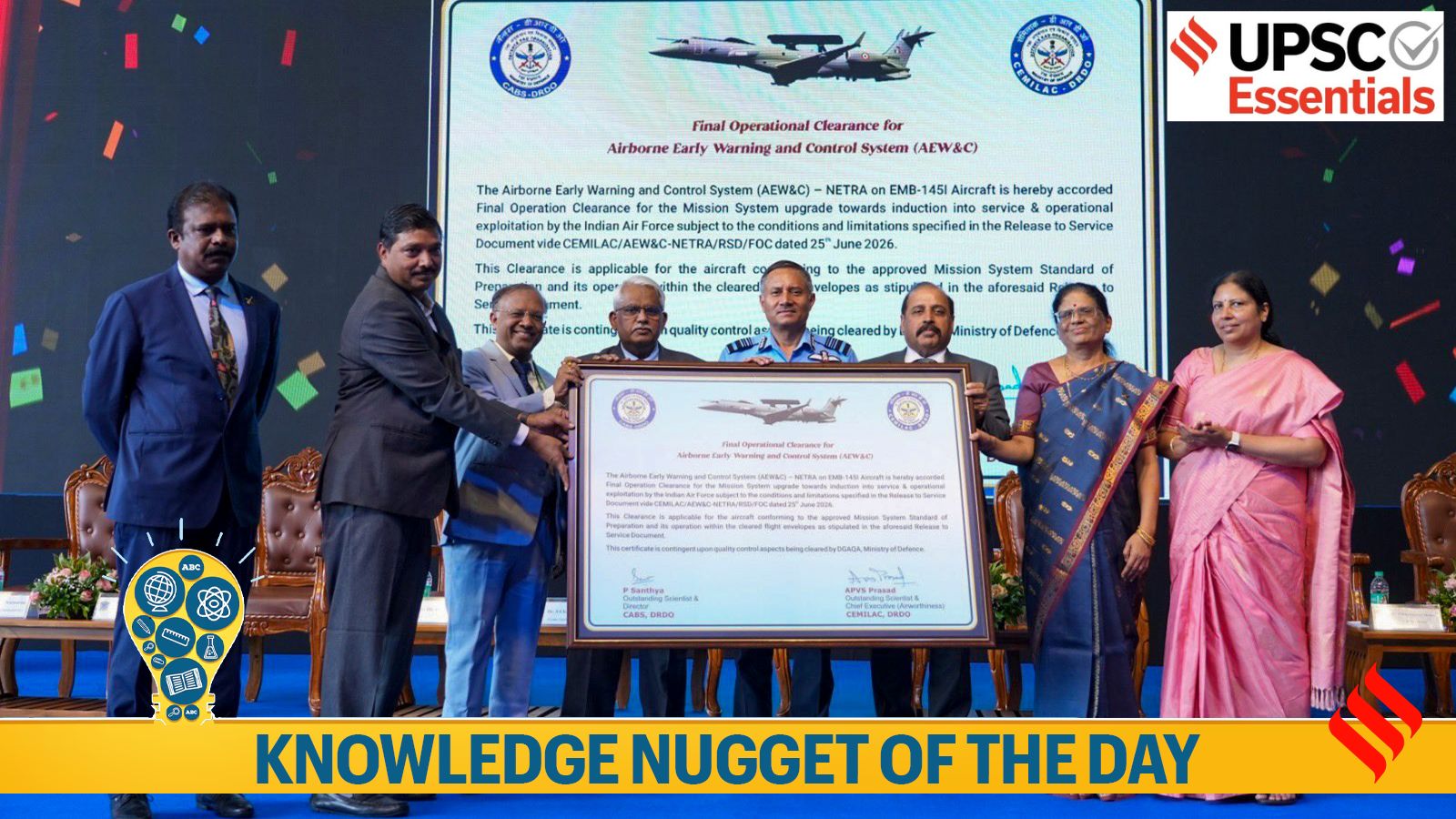
Knowledge Nugget | What is Netra, India’s indigenous ‘eye in the sky’?
Indian Express