
South China Morning Post
Hong Kong’s AI push needs a broader vision and more realistic goals
Hong Kong cannot be faulted for not working hard enough to catch up in the global artificial intelligence (AI) race. Government funding is flowing generously towards projects focused on AI adoption.
In recent years, the government has pumped billions into building the necessary infrastructure, including HK$2.84 billion (US$364 million) for a semiconductor centre, HK$3 billion for an AI subsidy scheme and another HK$1 billion allocated for an advanced AI R&D institute. In March, the government granted 11 hectares of land – pretty sizeable by Hong Kong standards – to a Hebei-based computing technology company to build a massive data centre at Sandy Ridge, which would increase Hong Kong’s computing power by 36 times the current level by 2032.
This ambitious project intends to provide the city with the computing power needed to take its AI development to the next level. Yet, the differential between mainland Chinese and Hong Kong electricity charges has caused lingering doubts about its commercial viability.
Hong Kong is spending an unprecedented amount of tax dollars to jump-start its AI development, which will transform how we work, live and even think. It is as though all the talk about building an “I and T” (innovation and technology) ecosystem has become obsolete. It’s AI and nothing else.
This is not surprising if you look at what is happening in advanced economies. In the United States, tech behemoths are outspending one another to recruit top AI talent and build the most powerful models. A phenomenal amount of money is flowing into AI investment. In May, Goldman Sachs raised its estimate of money flowing into AI in the US to US$800 billion by the end of the year.
The Hong Kong government is spending a pittance compared with the trillions that US investors and tech giants are pouring into the AI boom.
View original source — South China Morning Post ↗
Related stories

Philippine Daily Inquirer
TechnologyJun 28, 2026 · 1 min
Trump threatens to annihilate Iran after new exchange of attacks
Philippine Daily Inquirer

TASS
TechnologyJun 28, 2026 · 1 min
CENTCOM says it struck ten military targets in Iran
TASS
Times of India
TechnologyJun 28, 2026 · 1 min
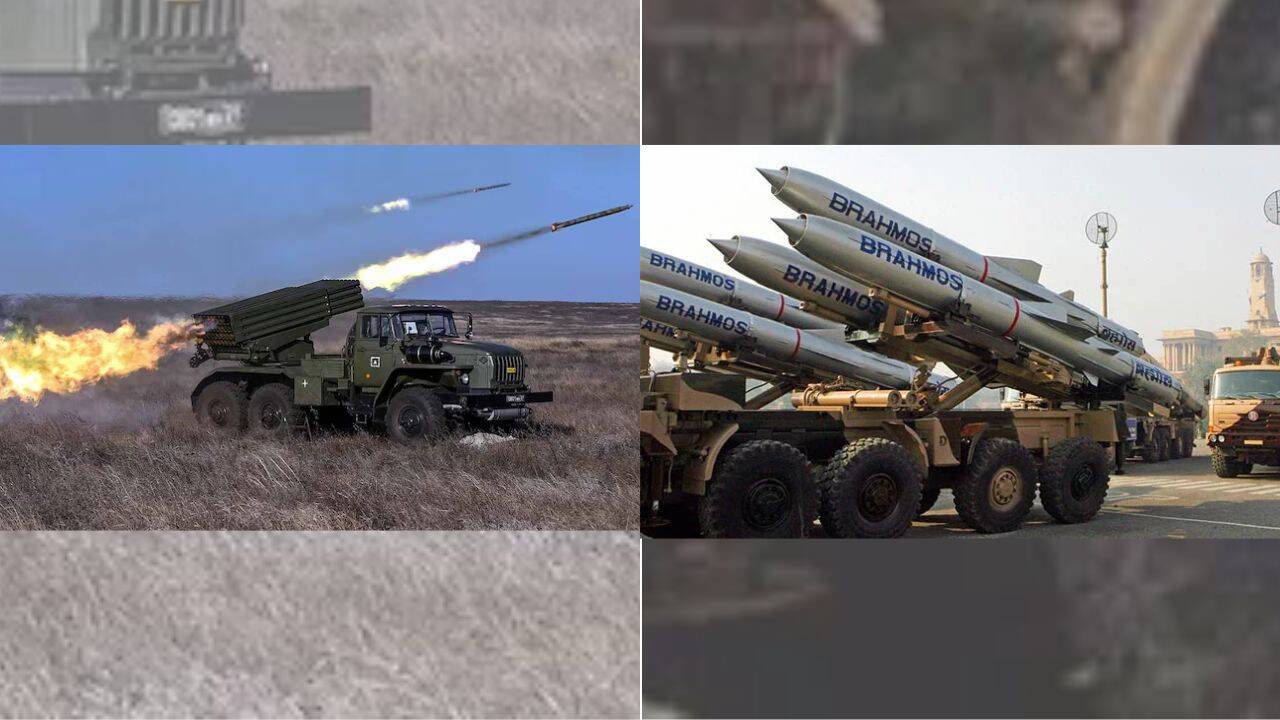
Desert shield, Indian spear: Why UAE is looking towards BrahMos and Akashteer
Times of India

South China Morning Post
TechnologyJun 28, 2026 · 1 min
Iranian drones target Bahrain after US offensive, straining ceasefire
South China Morning Post