Indian Express
Can Type 1 and Type 2 diabetics donate blood?
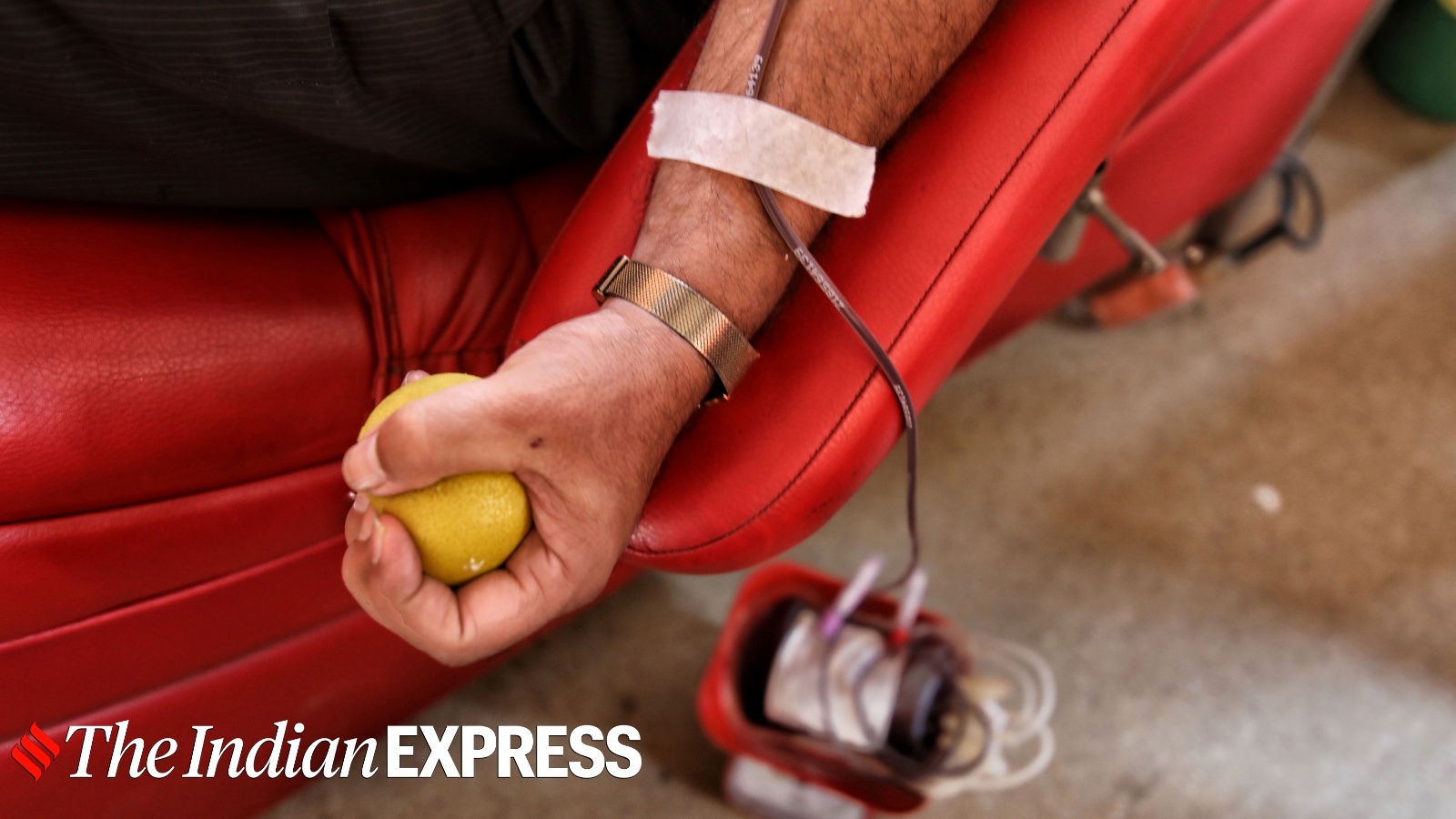
Having diabetes does not automatically make you ineligible to donate blood (Image: Express Archive)
Many people assume that having diabetes automatically makes them ineligible to donate blood. But is it true? According to Dr Ashish Saini, Consultant Endocrinologist, Kailash Deepak Hospital, Delhi, that’s a myth.
“Having diabetes does not automatically make you ineligible to donate blood. In fact, many people living with diabetes can donate blood safely and regularly,” he tells indianexpress.com.
DISCLAIMER: This article is based on information from the public domain and/or the experts we spoke to. Always consult your health practitioner before starting any routine.
What determines whether a person with diabetes can donate?
If blood sugar levels are stable and the perosn meets the standard donor eligibility criteria, blood donation may be possible (Image: Freepik)
The key factor is not simply having diabetes, but how well the condition is being managed. “If blood sugar levels are stable and the individual meets the standard donor eligibility criteria, blood donation may be possible,” says Dr Saini.
A person with diabetes who wishes to donate blood should have reasonably stable blood sugar levels and be feeling well on the day of donation. They must also meet the standard requirements that apply to all blood donors, including criteria related to age, weight, haemoglobin levels, and overall health.
The doctor points out that diabetes itself is often not the barrier. Instead, eligibility usually depends on blood sugar control and whether the person has developed diabetes-related complications.
Does it matter if you have Type 1 or Type 2 diabetes?
Not necessarily. While Type 1 and Type 2 diabetes are different conditions, Dr Saini says the type of diabetes is usually not the deciding factor when it comes to blood donation.
Story continues below this ad
“In other words, eligibility is generally determined by an individual’s health status rather than simply by whether they have Type 1 or Type 2 diabetes.”
What if you take insulin?
Another common misconception is that people on insulin cannot donate blood.
“There is a common misconception that insulin use automatically disqualifies someone from donating, but that is not necessarily true…In many cases, people who take insulin can donate blood,” says Dr Saini.
If blood sugar levels are stable and there are no major health concerns, insulin therapy alone does not automatically prevent blood donation.
Story continues below this ad
When should a person with diabetes avoid donating?
Before donating, it is important to eat a healthy meal, stay well hydrated, and ensure that blood sugar levels are within a comfortable range (Images: Freepik)
Doctors generally advise postponing blood donation if blood sugar levels are poorly controlled, if the person is unwell, recovering from an illness, or has developed significant diabetes-related complications.
Conditions affecting the kidneys, eyes, nerves, or heart may also influence eligibility. People who experience frequent episodes of low blood sugar or have active infections may be advised to wait until their condition is better managed.
The priority, says Dr Saini, is always the donor’s safety.
What precautions should diabetic patients take?
For most people with well-controlled diabetes, donating blood does not significantly affect blood sugar levels and is generally considered safe.
Story continues below this ad
Before donating, Dr Saini advises eating a healthy meal, staying well hydrated, and ensuring blood sugar levels are within a comfortable range. People should continue taking their diabetes medications as prescribed unless advised otherwise by their doctor.
“After donation, it is advisable to drink plenty of fluids, avoid strenuous physical activity for the rest of the day, and continue monitoring blood sugar levels as usual.”
Some people may experience temporary fatigue, dizziness, or lightheadedness after donating blood, but these symptoms can occur in any donor. Persistent dizziness, weakness, or other unusual symptoms should be evaluated by a doctor.
To put it simple, having diabetes does not automatically rule out blood donation. If your blood sugar is well controlled, you are otherwise healthy, and your doctor has no concerns, donating blood may still be an option.
Story continues below this ad
DISCLAIMER: This article is based on information from the public domain and/or the experts we spoke to. Always consult your health practitioner before starting any routine.
View original source — Indian Express ↗
Related stories

Straits Times
TechnologyJun 28, 2026 · 1 min
Ukraine hits two Russian oil refineries overnight
Straits Times

Lovin Malta
TechnologyJun 28, 2026 · 1 min
Watch: Footage Shows Comino Rock Arch Before Collapse That Killed Chinese Tourist
Lovin Malta

Times of India
TechnologyJun 28, 2026 · 1 min
Isro moves step closer to more powerful LVM-3 with key engine test
Times of India

TechPana
TechnologyJun 28, 2026 · 1 min
Sujan Chapagain Issues Statement on Viral Instagram Messages, Claims Possible Misuse by Social Media Managers
TechPana