The Guardian
As an Australian Jew who publicly supports Palestinian freedom, I’m targeted by my own community
As a teenager, I walked through concentration camps in Poland, where the Nazis industrialised the murder of European Jewry. That history has shaped not only my Jewish identity, but a commitment to political struggle. It taught me that memory carries not only grief, but obligations: to resist racism, dehumanisation and the silence that permits the erasure of a people.
Today, I’m giving evidence to the royal commission on antisemitism and social cohesion, established after the slaughter of 15 people at a Hanukah celebration at Bondi beach. Their murders demand an honest reckoning. The question is whether we can confront antisemitism without weaponising Jewish grief or turning Holocaust memory into a political instrument to silence the very forms of solidarity and dissent it should compel.
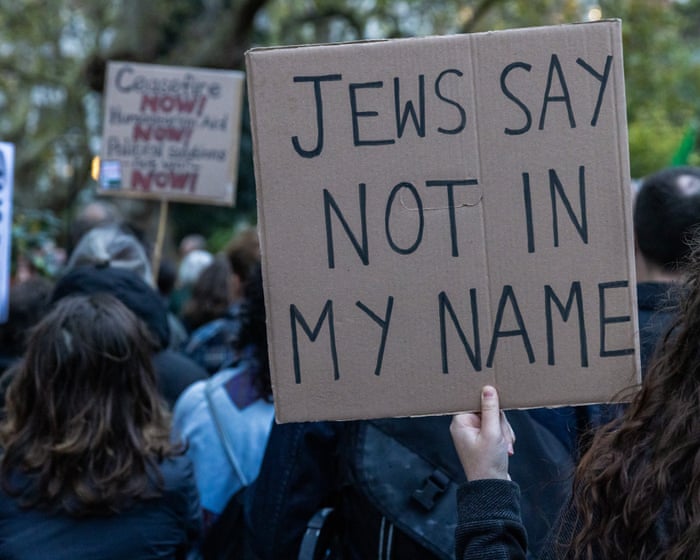
Over the past two years, as a Jewish person publicly supporting Palestinian freedom, Israel’s defenders have repeatedly turned symbols of Jewish persecution against me. Online, I am called a “Kapo” and “Judenrat”, invoking the institutions the Nazis created to make Jews complicit in their own persecution. Those who claim to be the inheritors of the Holocaust circulate memes depicting me as a rat, pin yellow stars on my clothing, place me on a train to concentration camps and describe me as “Hitler’s Jew”. During a live ABC interview, another Jewish guest declared that I was “an anti-Jew”. Afterwards, a publication launched a “debate” about whether that description was justified, as though my Jewishness itself had become a matter for public adjudication.
At the same time, I’m a target of actual neo-Nazis. They traffic in conspiracies such as the “Great Replacement”, portraying Jews as the hidden force behind multiculturalism, migration and anti-racism. They recycle familiar caricatures of Jewish appearance and Jewish power that have animated antisemitism for generations. They are indifferent to my views on Israel. They target me because I am publicly Jewish, and because I stand with those they imagine to be the enemies of a white Christian nation: Muslim people, migrants and anti-racists.
There is something profoundly disorienting about being compared to Nazis. I understand why people reach for this language. For many Jews, the Holocaust is the deepest moral reference point. It is the vocabulary through which fear, vulnerability and collective memory are expressed. But the language directed at me is not simply an expression of grief or lateral violence. It is part of a political framework cultivated over decades: one that collapses Jewish identity into the state of Israel, recasts criticism of Israel as hostility towards Jews, and turns the Holocaust from a warning against atrocity into a test of political loyalty. Israel becomes the “persecuted collective Jew”. Its critics become antisemites.
Last week, a UN commission of inquiry concluded that Israel has continued to commit genocide through the deliberate targeting of Palestinian children in Gaza. It found that Israeli forces deliberately shot at children’s vital organs, used high-payload munitions in densely populated areas, and that starvation caused by Israel’s blockade had inflicted profound and lasting harm.
Rather than engaging with these findings, Israeli officials again reached for the language of historic Jewish persecution. They dismissed the report as part of an “anti-Israel narrative” and accused those sharing its findings of “parroting blood libels”, invoking one of history’s oldest antisemitic myths. The allegations themselves became the persecution. The question ceased to be what had happened in Gaza, but whether those describing it were the latest antisemites.
This framework has travelled well. Australia’s debate has become almost entirely disconnected from Gaza itself. We argue about protesters, slogans, university encampments and definitions of antisemitism. Universities adopt managerial policies to mitigate “controversy”. Regulators adopt contested definitions which chill speech. Journalists learn which stories attract organised campaigns.
For Palestinians, the result is global silence; turning evidence of mass atrocity into a debate about permissible speech. For Jews, it flattens our identities into allegiance to a nation-state. Jews who refuse that allegiance must be cast out. My attempted public humiliation tells Jews that our place in communal and public life is conditional on political conformity.
Over the past two years I have spoken to countless Jewish people who feel unable to express their political convictions without risking public exposure, family rupture or exclusion from communal life. After I was publicly described as an “anti-Jew”, one wrote: “Growing numbers of Jews are feeling excluded and betrayed by communal institutions because of their political convictions.”
No government or institution can or should decide the boundaries of Jewish identity. But they can stop reinforcing the fiction that Jews and Israel are interchangeable.
When the Holocaust is used to police Jewish identity, silence those who bear witness to atrocity, or to recast allegations of mass violence as acts of persecution against the accused, it is hollowed of any moral force.
Instead its memory should be not only about what we inherit, but what we choose to do with that inheritance.
View original source — The Guardian ↗
Related stories

TechRadar
TechnologyJul 2, 2026 · 1 min
‘Technologies don’t usually die because consumers move on, they die because the inputs disappear’
TechRadar
TechRadar
TechnologyJul 2, 2026 · 1 min
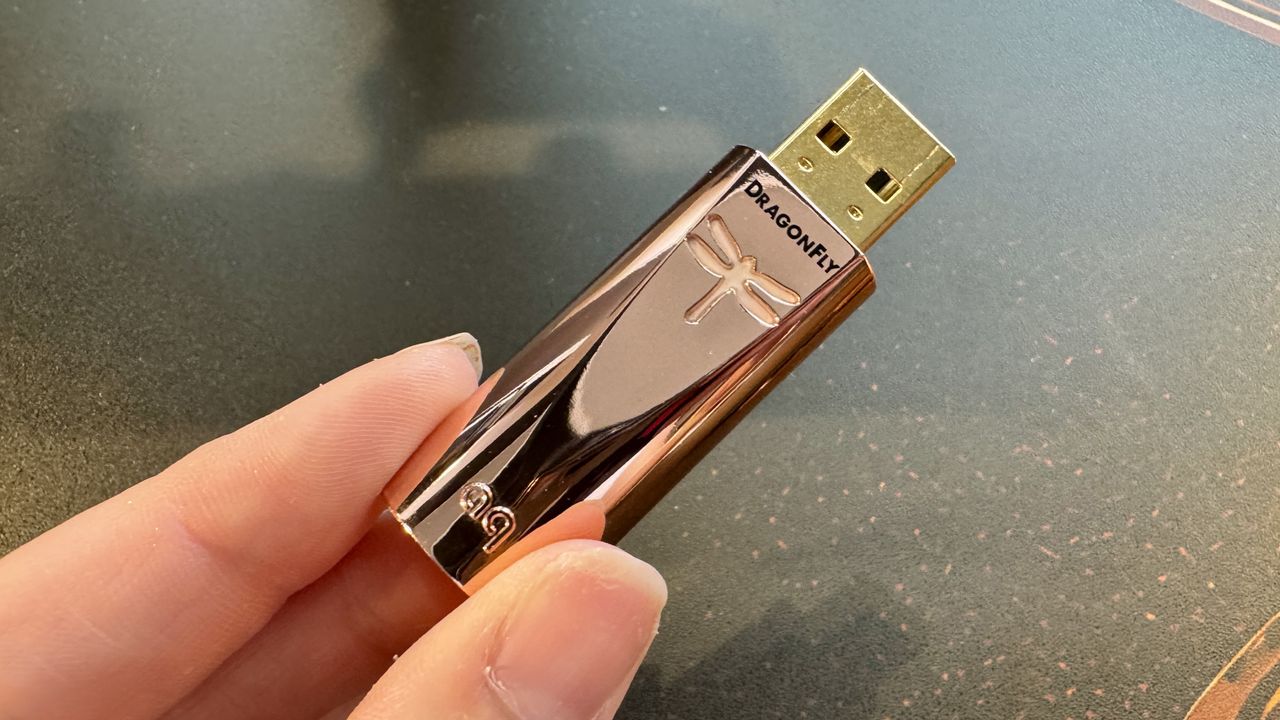
My favorite portable hi-fi accessory is back, but I think it’s missed a trick
TechRadar
The Guardian
TechnologyJul 2, 2026 · 1 min
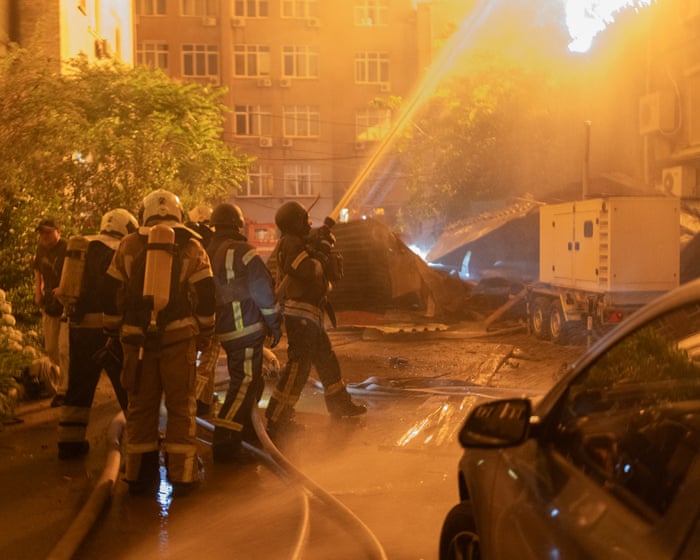
Russia targets Kyiv with missiles and drones, setting buildings ablaze and causing injuries
The Guardian
ABC News
TechnologyJul 2, 2026 · 1 min
Lethal Weapon actor Danny Glover says he has Alzheimer’s
ABC News