
Wired
Best Bone Conduction Headphones (2026): Shokz, Suunto, Mojawa
Jul 3, 2026 7:30 AM
Everyone needs a safe way to listen to music on outdoor runs. We’ve found the bone conduction headphones to grab on your way out the door.
Featured in this article
Bone conduction headphones have been around for a couple of decades. We’ve come a long way from those early first efforts. They used to tickle your head with uncomfortable vibrations. Or delivered sound quality that made you question why they existed in the first place.
Thankfully, things have gotten a lot better. Sound performance has improved, and the uncomfortable vibrations have lessened. Now bone conduction headphones are among some of our favorite workout headphones.
These are our favorites. Don't see anything you like? Check out the rest of WIRED’s audio coverage, including the Best Wireless Headphones, Best Cheap Headphones, and the Best Open Earbuds.
Jump to Section
Best Overall
Photograph: Michael Sawh
Shokz
OpenSwim Pro
Shokz has long been the leader in bone conduction headphones, despite a minor misstep with the first-generation OpenSwim, which lacked Bluetooth streaming. The OpenSwim Pro rectifies this, making it an excellent choice for far more than just swimming.
Whether you stream via Bluetooth or use the built-in 32-GB music player, the OpenSwim Pro delivers impressive open-ear audio. It offers surprising bass and warmth, along with the clarity needed for audiobooks and phone calls.
With standard and swimming EQ modes, you can easily tailor the sound for land or water. The IP68 waterproof rating ensures strong protection against sweat and water, while the silicone and titanium neckband offers both comfort and a secure fit.
The headphones feature easy-to-reach physical controls and a battery that lasts up to nine hours when streaming via Bluetooth, or six hours when using the built-in music player. While the OpenSwim Pro may not be Shokz’s flagship model, it strikes the best balance of sound, design, and performance, placing it in a coveted position at the top of my list.
SpecsHeadphone designNeckbandWeight27.3 g/0.96 ozBluetooth version5.4Microphones2Battery life6-9 hoursMusic player storage32 GBFile formatsMP3, M4A, WAV, APE, FLACWaterproof ratingIP68Charging typeProprietary cable
Runner-Up
Courtesy of Shokz
Shokz
OpenRun Pro 2
The OpenRun Pro 2 is Shokz’s flagship bone conduction headphone. Available in two sizes and multiple color options, it features the brand’s latest audio technology.
By combining a bone conduction driver for precise mids and highs with an air conduction speaker for deeper bass, the OpenRun Pro 2 delivers noticeably warmer sound than its predecessor. While this dual approach slightly reduces overall clarity, it creates an excellent audio experience for running and daily use.
The lightweight 1.1-ounce neckband design stays securely in place during movement, and the smaller size option ensures a better fit for smaller heads. Additionally, the inclusion of USB-C charging offers faster charging speeds and the convenience of using standard cables.
SpecsHeadphone designNeckbandWeight30.3 g/1.1 ozBluetooth version5.3Microphones2Battery life6-9 hoursMusic player storageN/AFile formatsN/AWaterproof ratingIP68Charging typeUSB-C
Best for Swimmers
Photograph: Michael Sawh
Nank
Runner Diver2 Pro
Despite a questionable rebrand from Naenka to Nank, the Chinese audio company continues to build solid bone conduction headphones.
The Runner Diver2 Pro features both Bluetooth streaming and a built-in MP3 player, housed in a secure, comfortable neckband designed for runners and swimmers. It includes well-placed physical buttons and an impressive IP69 rating, meaning it can survive submerged in fresh or saltwater up to 10 meters deep for up to five hours.
While it lacks the balanced sound profile of the Shokz OpenRun Pro and Swim, the Diver2 Pro makes up for it with powerful bass. Nank includes in-ear sound enhancers for a better seal, though they can feel awkward to wear. Alternatively, you can position the vibration units closer to your ears to block out more ambient noise.
Ultimately, the Diver2 Pro delivers pleasant open-ear sound across all activities, making it a highly capable option for swimming and daily workouts alike.
We also like the Jabees 7Seven ($74) as an affordable option. Check our guide to the Best Swimming Headphones for more.
SpecsHeadphone designNeckbandWeight32 g/1.1 ozBluetooth version5.4Microphones1Battery lifeUp to 10 hoursMusic player storage32 GBFile formatsMP3, M4A, WAV, APE, FLACWaterproof ratingIP69Charging typeProprietary cable
Best for Glasses Wearers
Courtesy of Mojawa
Mojawa
Run Plus
The Mojawa Run Plus, crafted by a brand that includes former Apple engineers, is a highly impressive set of bone conduction headphones. If those engineers had a hand in making the Run Plus, then they’ve made bone conduction headphones where there’s a lot to like.
At just one ounce, the lightweight neckband design is comfortable for long listening sessions and pairs exceptionally well with glasses. While the combination of touch and physical controls works well on land, the capacitive touch sensors can be finicky if worn in water under a swim cap.
The companion app offers four EQ modes, unlocking Shokz-rivaling sound with deep bass and clear mids and highs. The built-in 32-GB music player holds roughly 8,000 songs, though you will need the proprietary cable to transfer files. While the eight-hour battery life is achievable only at moderate volumes, the Run Plus remains a standout choice for its comfort and audio quality.
SpecsHeadphone designNeckbandWeight28.6 g/1 ozBluetooth version5.2Microphones1Battery lifeUp to 8 hoursMusic player storage32 GBFile formatsMP3, M4A, WAV, APE, FLACWaterproof ratingIP68Charging typeProprietary
Best for Phone Calls
Courtesy of Suunto
Courtesy of Suunto
Suunto
Sonic
Suunto’s entry into the headphone space is a surprising move for a company best known for its fitness watches. Still, the Sonic remains true to Suunto’s outdoor roots. While it may not be the brand's most feature-rich model, it strikes an excellent balance between price and performance, offering a strong alternative to open-ear designs from more established brands.
Though unoriginal in its design, the lightweight neckband design is comfortable enough for hours of running without causing fatigue. It also features excellent physical controls for easily adjusting volume or taking calls. For phone calls, the Sonic uses dual microphones and a wind-canceling algorithm effective in gusts up to 15 km/h, making everything sound surprisingly clear in challenging weather.
Using the Suunto app, you can switch between two sound modes. Normal mode offers a balanced profile that is ideal for podcasts, while Outdoor mode boosts the volume to cut through ambient noise. Although it lacks the premium features of Suunto's higher-end models—such as safety LED lights or a power-bank charger—the Sonic focuses on the essentials, making it a highly reliable choice.
SpecsHeadphone designNeckbandWeight31 g/1.09 ozBluetooth version5.2Microphones2Battery lifeUp to 10 hoursMusic player storageN/AFile formatsN/AWaterproof ratingIP55Charging typeProprietary
How Do Bone Conduction Headphones Work?
Bone conduction technology has been used for centuries to deliver sound through vibrations.
These headphones use transducers positioned on your cheekbones. The transducers send sound vibrations through your cheekbones and jaw directly to your inner ear. The cochlea then converts these vibrations into signals your brain interprets as sound.
Because this process bypasses the ear canal entirely, bone conduction headphones are commonly known as open-ear headphones.
What Are the Benefits of Using Bone Conduction Headphones?
The primary benefit of bone conduction headphones is their ability to maintain environmental awareness. Because your ear canals remain open, you can easily hear your surroundings—whether that means traffic on a busy run or a coworker trying to get your attention. While many traditional headphones offer "transparency modes," bone conduction provides this naturally without needing to press a button or open an app.
Additionally, they offer a more secure and hygienic fit. Unlike standard earbuds, they won't fall out during a workout or when pulling a sweater over your head, and they pair comfortably with hats and glasses. Finally, because they sit outside the ear, you avoid the sweat and buildup that can accumulate inside your ears with traditional earbuds.
What’s the Difference Between Bone Conduction and Air Conduction?
Bone conduction is no longer the only open-ear headphone technology available. Air conduction has emerged as a major alternative, offering the same environmental awareness through a different method.
While bone conduction uses transducers to send vibrations through your cheekbones, air conduction uses traditional speakers positioned just outside your ear. These speakers channel sound through the air and into your ear canal, similar to traditional headphones.
Air conduction typically delivers richer audio—closer to traditional headphones—and eliminates the tickling sensation sometimes caused by bone conduction. They also usually offer better EQ customization. However, if maintaining maximum awareness of your surroundings is your top priority, bone conduction remains the more effective option.
Power up with unlimited access to WIRED. Get best-in-class reporting and exclusive subscriber content that's too important to ignore. Subscribe Today.
Read More
Wired Coupons
View original source — Wired ↗
Related stories

The Verge
TechnologyJul 3, 2026 · 1 min
Jon Prosser responds to Apple lawsuit by blaming the other guy
The Verge
Indian Express
TechnologyJul 3, 2026 · 1 min
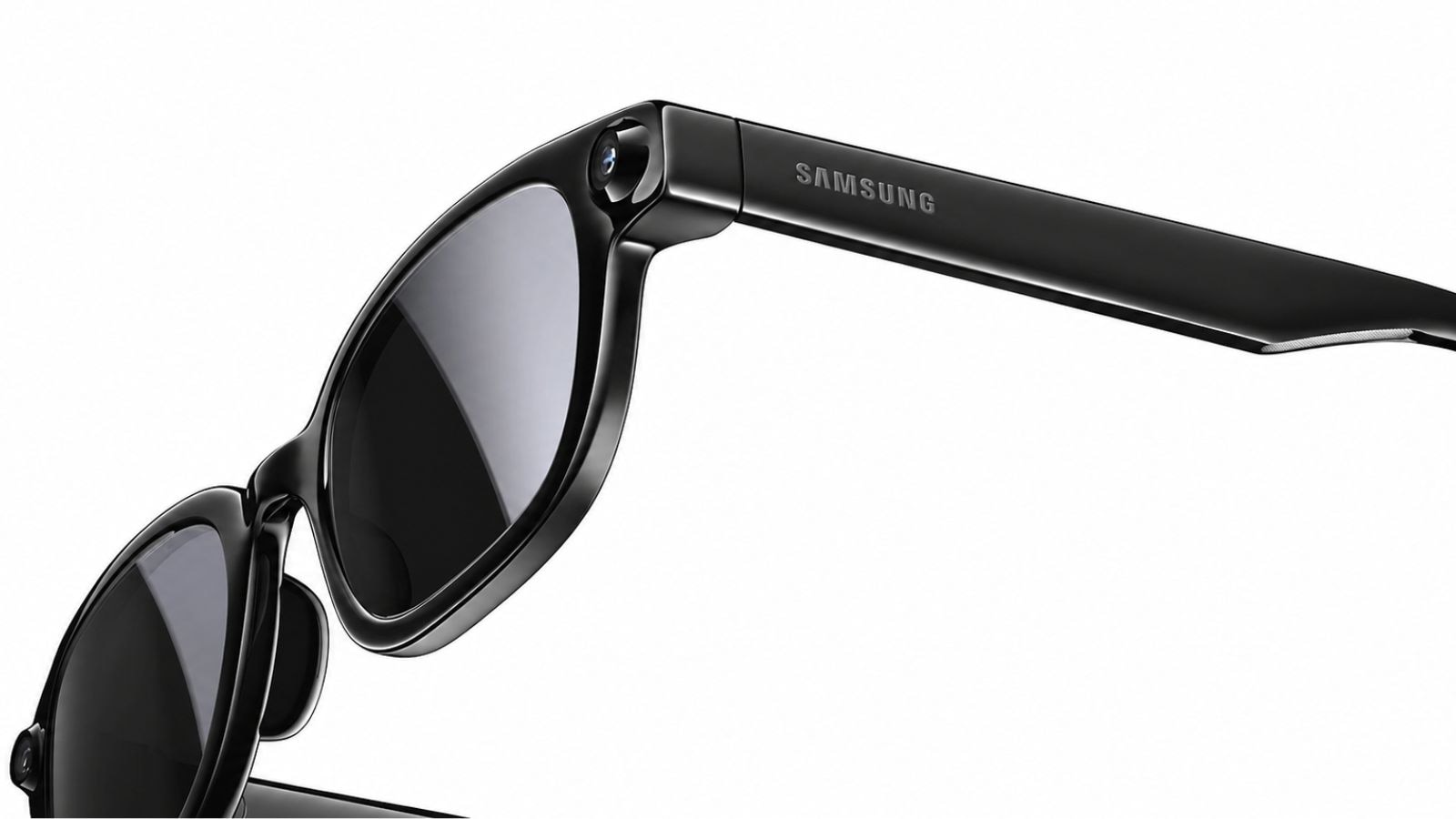
Galaxy Glasses leak reveals buttons, gestures, and camera controls ahead of launch
Indian Express
TechRadar
TechnologyJul 3, 2026 · 1 min
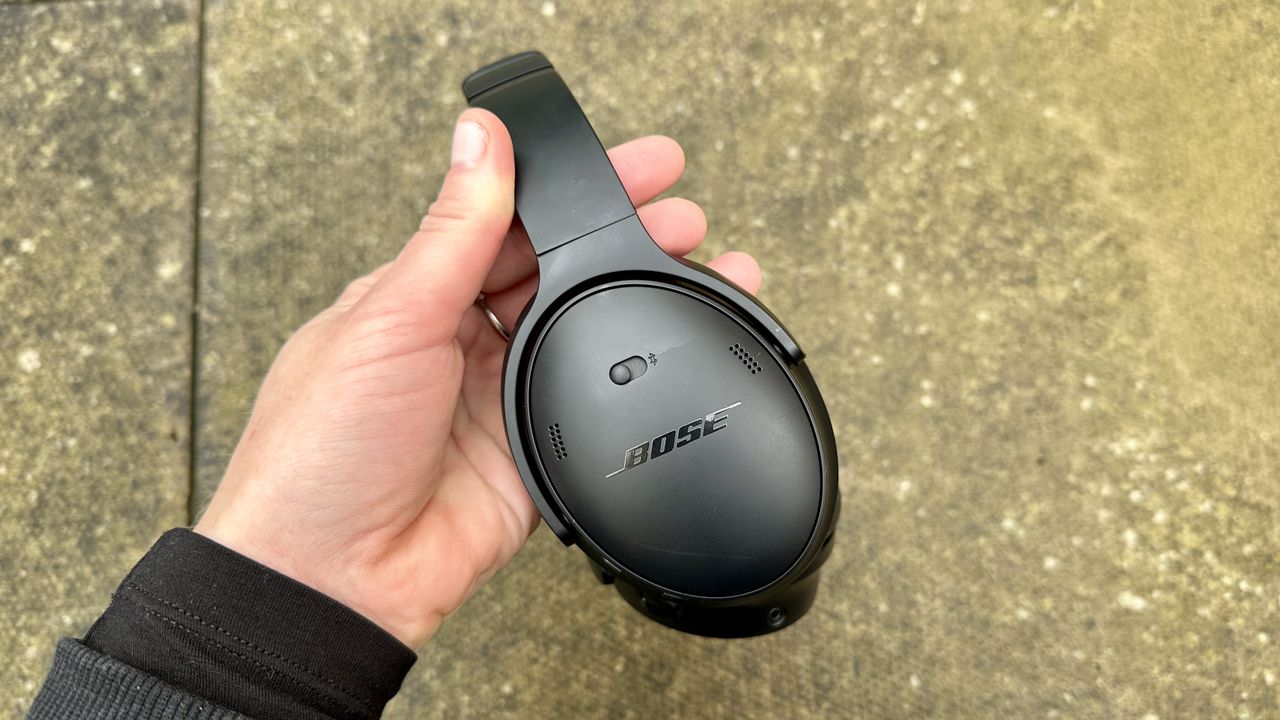
The Bose QuietComfort Headphones just dropped to their lowest price yet on Amazon
TechRadar
TechRadar
TechnologyJul 3, 2026 · 1 min
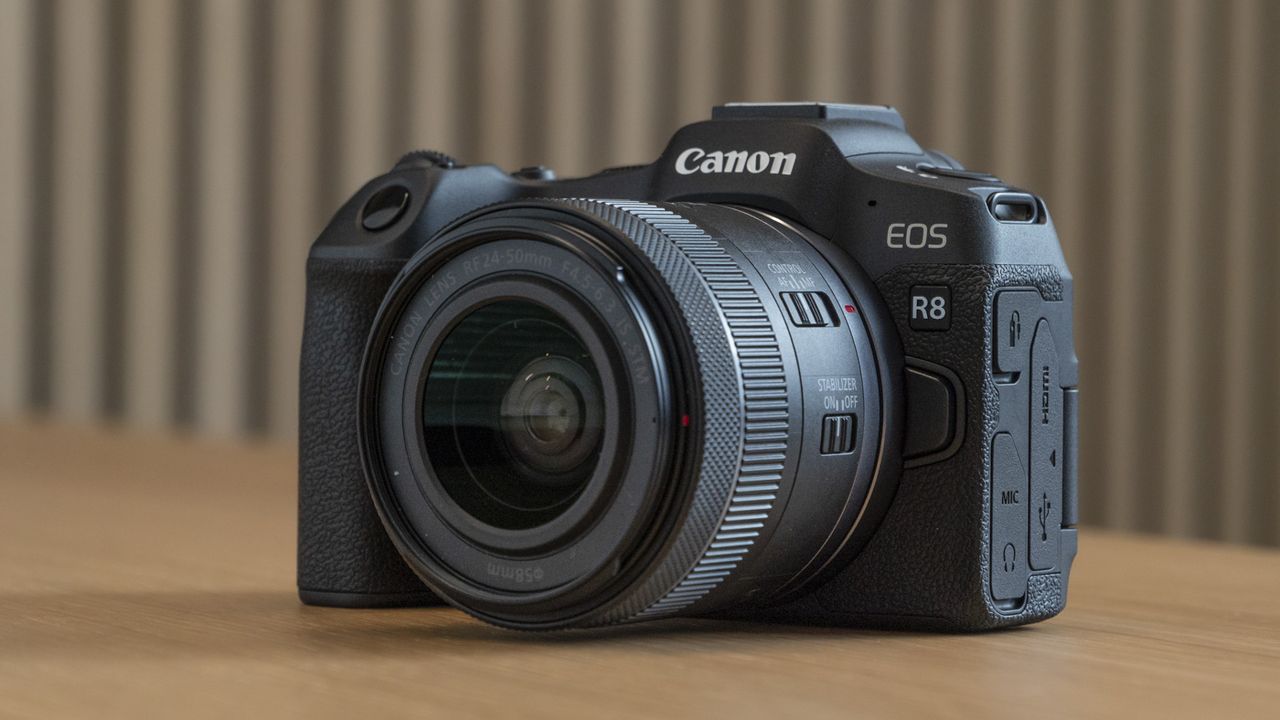
Record-low prices on Canon, Sony, and Nikon cameras headline this year's huge 4th of July sales
TechRadar