The Guardian
Liberal frontbencher Dan Tehan says coalition with One Nation ‘not even being talked about’
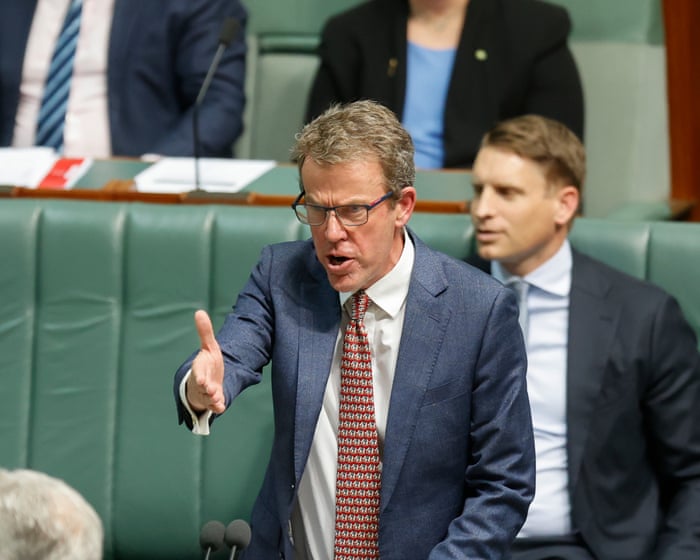
Liberal frontbencher Dan Tehan says he does not want to be in a rightwing coalition with One Nation, despite senior colleagues urging closer ties with Pauline Hanson and polls suggesting her rise will make it difficult for the opposition party to ever govern in its own right again.
Prime minister, Anthony Albanese, on Sunday mocked the Liberal, National and One Nation parties as an “axis of grievance” on the conservative side of politics, but Tehan said a formal alliance was not being discussed among his colleagues.
“We do not want to be part of a coalition with One Nation. We want to be part of a coalition with the Liberal party and the National party,” he told ABC’s Insiders on Sunday.
While a formal coalition-style arrangement is not being publicly discussed, splits are emerging in the Liberals and Nationals about whether to fight One Nation or seek closer ties or a loose cooperation.
Frontbencher Andrew Hastie has vowed “war” on Hanson’s party, while others such as junior shadow minister Tony Pasin have suggested a seat-sharing arrangement. Nationals senator Bridget McKenzie suggested she would “come and help [Hanson] campaign” in Labor-held seats and the former prime minister and now Liberal party president, Tony Abbott, has backed preference deals with One Nation.
One Nation’s primary vote has been polling in the high 20s or low 30s in recent published opinion polls, neck-and-neck with Labor, while the Coalition polls in the high teens or low 20s. Last week’s Guardian Essential poll found Labor on a primary vote of 30%, One Nation on 26% and the Coalition on 23%.
Polling experts have suggested the splitting of the conservative vote between One Nation and the Coalition would make it highly difficult for the Liberals and Nationals to re-enter government on their own, especially when combined with expectations One Nation could pick up a swag of seats at the next election, mostly at the expense of Coalition MPs.
Tehan was asked on Insiders about what the Coalition needed to do in order to arrest its polling slide. He said the Coalition would continue criticising Labor for going back on its promises not to change negative gearing or capital gains tax arrangements, but host David Speers pressed him on whether an alliance with One Nation was necessary.
“What I want to be part of is a Liberal party and a National party that in coalition runs this country again,” Tehan said, claiming a coalition-style arrangement with One Nation was “not even being talked about”.
Pressed several times for a clear answer, Tehan responded: “We’re not entertaining or discussing or being part of a coalition with One Nation.”
Abbott, in a contentious speech to the Alliance for Responsible Citizenship summit in London last week, claimed “mass migration” – a phrase rejected by some Liberal moderates – was being pursued “to dilute and eventually to extinguish the Anglo-Celtic core culture and the Judaeo-Christian foundational ethos”.
But despite Abbott’s position as Liberal party president, Tehan said it was the Coalition’s partyroom – not its executive – which would set the party’s policies, including migration. Tehan said he hadn’t heard Abbott’s speech until shortly before the program, but that Abbott “respects” party processes, appearing to distance himself from Abbott’s remarks.
“Angus Taylor, in his budget-in-reply speech, set the foundations of where we want to go. And, in particular, making sure that we have our migration levels in line with the amount of houses that are built in this nation so that we can rebalance our migration policy, we can rebalance to make sure that we are looking after Australians first,” he said.
“Now, there are people who have a lot of views about this. But it is the partyroom which always has and always will set the policy agenda.”
Albanese spoke to the NSW Labor conference on Sunday, mocking the ructions on the right of politics.
Referring to Liberal frontbencher Melissa McIntosh’s calls for a “rebrand” of the opposition, Albanese said: “The problem is not their brand – it is their product. It is not their sales pitch – it is their policies.”
“It is the race to the bottom that all three rightwing parties are caught up in. They are the axis of grievance. Each trying to be more anti-fairness, more anti-worker, more anti-aspiration,” he said.
“This is why, for all the shifts in the landscape over the years, the fundamental contrast in Australian politics remains the same. Our opponents only ever define themselves by who and what they are against.”
View original source — The Guardian ↗
Related stories
South China Morning Post
PoliticsJul 5, 2026 · 1 min
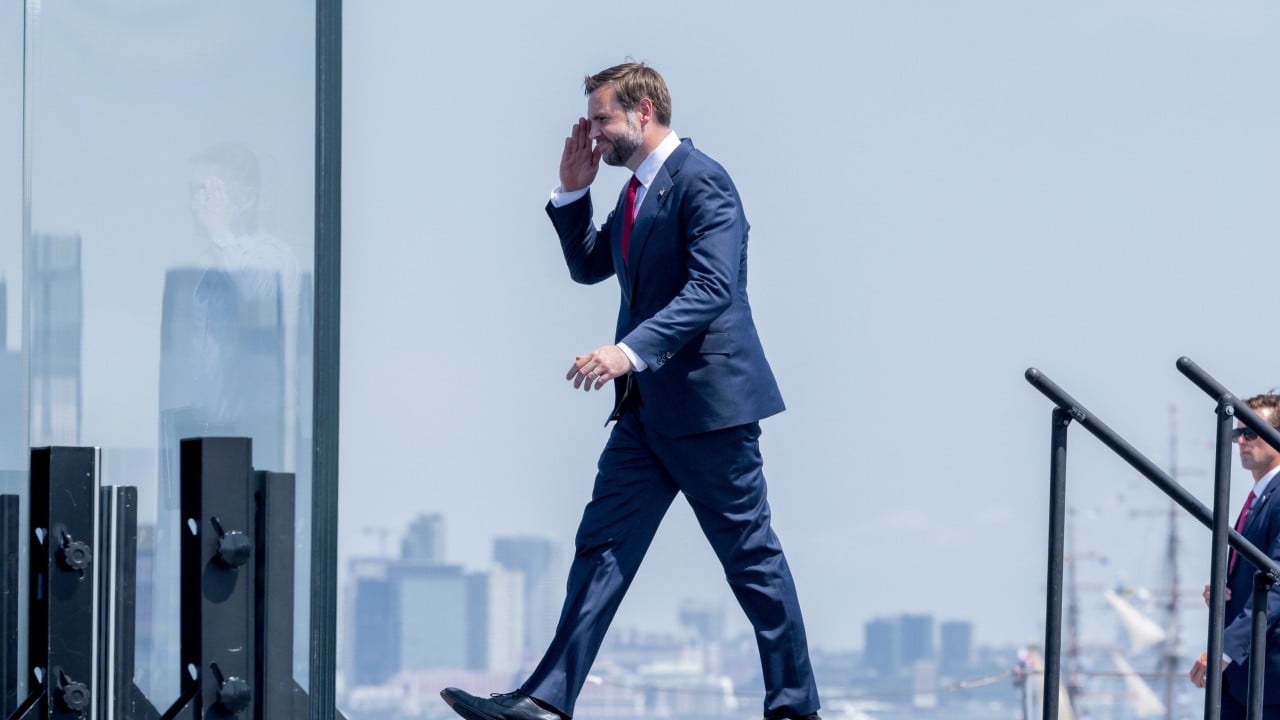
Vance hopes Burnham delivers ‘structural change’ amid ‘broken’ UK politics
South China Morning Post
South China Morning Post
PoliticsJul 5, 2026 · 1 min
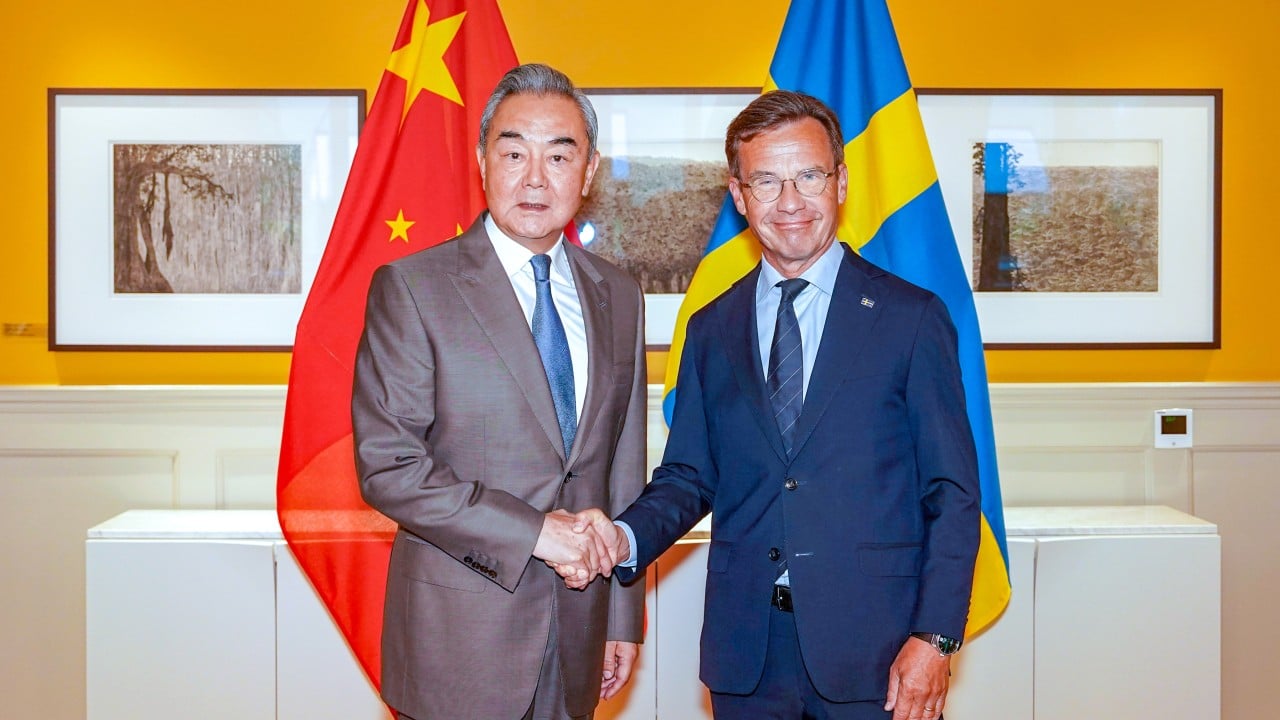
Chinese foreign minister calls on Sweden to help rebuild trust between the countries
South China Morning Post
OnlineKhabar
PoliticsJul 5, 2026 · 1 min
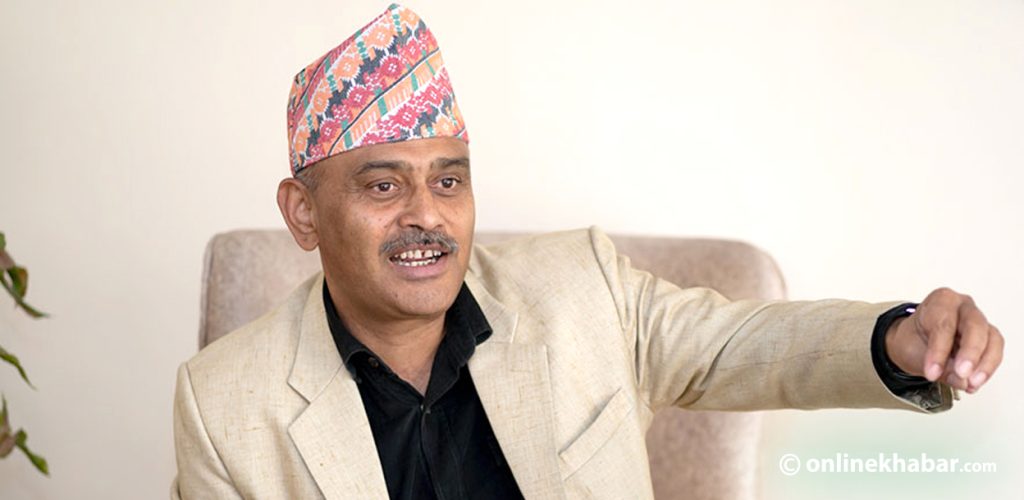
Bhola Thapa’s next challenge after KU success is fixing Tribhuvan University
OnlineKhabar
SBS News
PoliticsJul 5, 2026 · 1 min
Trump's patriotic speech, colossal fireworks and white nationalists: US marks 250 years
SBS News