The Guardian
‘New direction, same old problems’: the economic challenges facing Andy Burnham | Richard Partington
In politics, timing and luck matter. Tony Blair had astounding good fortune, benefiting from goldilocks economic conditions and a weak opposition. Others have taken charge in tougher times: in the 1970s Harold Wilson faced a global energy crisis, as have the last four occupants of No 10.
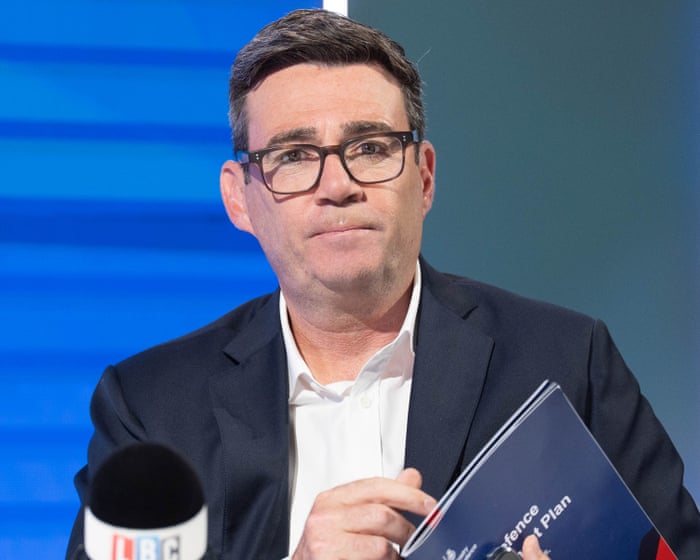
As Andy Burnham prepares to replace Keir Starmer, there are clear economic headwinds for the prime minister-presumptive.
Burnham has committed to a “new direction” for Britain but the same old problems remain. Borrowing is elevated, the national debt is at the highest level since the 1960s, growth is weak, and the demands to spend on defence, net zero and to support an ageing population are rising.
Under pressure from bond markets he has pledged to stick to Labour’s current fiscal rules.
But it is not all gloom. There are signs the Makerfield MP could catch a break where his predecessors have foundered.
The recent pull back in energy prices, gilt yields, and City expectations for interest rates are easing some of the hit to the public finances brought by the US-Israeli war on Iran.
In recent weeks, the global oil price has fallen back to levels last seen before the outbreak of the war, dipping to $72 a barrel, amid hopes of a ceasefire holding. While the situation is volatile, some analysts forecast it falling to $60 by the end of this year.
As a result, economists view a potential turning point. Inflation risks are fading, easing the pressure on central banks to hold interest rates at elevated levels. Financial markets have rallied and government borrowing costs have fallen from recent highs, including in the UK.
At the peak of hostilities, there had been fears UK inflation could rise to 4.5% and GDP growth fall to about 0.7% this year. Now analysts at Capital Economics estimate we could see closer to 3.5% inflation and 1% GDP growth. It expects the Bank of England could cut interest rates from 3.75% to 3% next year.
As recently as May, analysts at Bank of America had estimated the £23.6bn of “headroom” Rachel Reeves had left against the main fiscal rule in the spring had been reduced by about £10bn by the Iran war. Now it estimates a hit of about £4.6bn. Others predict little or no impact at all.
To be sure, the economy is not out of the woods. Inflation is higher than it would have been without the Middle East conflict, growth is faltering, and households remain under serious strain.
Burnham will need more than just a stroke of luck to fix the long-term challenges facing the economy, and in these turbulent geopolitical times the capacity for a leftfield shock remains high – not least while the most unpredictable US president of the modern age occupies the White House.
Voters are fed up and most people are unlikely to thank any government for a better-than worst-case scenario. Times are still hard, and Burnham needs to act fast with the clock ticking on the next general election.
Keeping some degree of headroom is also seen as important to help assuage City concerns. With the financial unexploded bomb of Keir Starmer’s defence investment plan – leaving £4.7bn over four years of unfunded spending to cover – Burnham will start on the back foot.
The Makerfield MP’s promise of higher spending on council housing, infrastructure, and “breathing space” cost of living support will not come cheap. A Burnham government would therefore probably need to look at tax increases – yet he has also committed to Labour’s 2024 manifesto promise not to increase taxes on work, which are among the biggest revenue-raisers.
Against this backdrop there is a lively debate within Burnham’s camp over the appropriate mix of caution and radicalism. There are also questions over the timing of any cost of living package: as quickly as possible, or alongside a budget in the autumn?
Insiders say there is a desire to avoid the drawn-out tax speculation seen between Labour’s July 2024 landslide and Rachel Reeves’s first budget four months later.
“If you do it in autumn can you accelerate the process in some way? Can you bring it forward a little bit?” says one figure close to the prime minister-in-waiting.
Some of Burnham’s advisers are warning him against launching a kneejerk package of populist cost of living measures, fearing the tight constraints on the public finances and impact anti-business rhetoric could have on investment.
However, voters will make the cost of living the primary issue regardless, so reluctance to take it on would leave Burnham in a worse position. “You can’t avoid the No 1 issue. You have to try,” says one insider. Polling shows taking an “economic populist” approach would also help Labour retain its majority in a fight against Reform UK.
If the backdrop is to improve as hoped, the prime minister-in-waiting could take advantage.
View original source — The Guardian ↗
Related stories

The Punch
PoliticsJul 5, 2026 · 1 min
Compassion for Ogun people prompted my defection to PDP — Iyabo Obasanjo
The Punch
South China Morning Post
PoliticsJul 5, 2026 · 1 min
German govt may withhold classified info from states if far-right start winning
South China Morning Post

South China Morning Post
PoliticsJul 5, 2026 · 1 min
How bitter Persian Gulf rivals can make peace the Asean way
South China Morning Post

The Hill
PoliticsJul 5, 2026 · 1 min
At least 8 people shot, including 4 children, in New York’s Coney Island on July 4: Reports
The Hill