
Philippine Daily Inquirer
PH asks US to drop proposed tariffs over forced-labor imports
MANILA, Philippines — The Philippines has asked the United States to exempt all, or at least some, of its exports from proposed tariffs targeting countries with inadequate safeguards against imports produced with forced labor.
In comments submitted to the Office of the United States Trade Representative (USTR), the Department of Trade and Industry (DTI) argued that the Philippines already has a “robust” legal framework and a “proven track record” in preventing forced labor.
“The Philippines has long demonstrated that its locally produced goods, including those exported to the US, do not rely on forced labor,” the DTI said in one of its submissions, filed by Trade Undersecretary Ceferino Rodolfo.
Article continues after this advertisement
READ: US mulls tariff hike on Philippine exports over forced-labor probe
FEATURED STORIES
BUSINESS
BUSINESS
BUSINESS
‘Responsible trading partner’
In fact, the DTI said only 0.01 percent, or $2.71 million, of the Philippines’ $48.25 billion worth of exports to the United States from 2023 to 2026 had been denied entry, which it said proved the country is a “low-risk and responsible trading partner.”
Furthermore, the DTI said the government was further strengthening its enforcement framework through a joint administrative order being drafted with the Department of Labor and Employment and the Department of Finance.
This proposed issuance would establish procedures for receiving, evaluating, investigating and resolving allegations involving imported goods suspected of being produced through forced labor.
“The Philippines already has existing laws prohibiting forced labor and continues to strengthen its legal and institutional framework through the development of appropriate mechanisms to effectively investigate and address goods allegedly produced wholly or in part through forced labor,” the DTI said.
Article continues after this advertisement
12.5% tariff threat
Following its investigation, the USTR in June proposed imposing an additional 12.5-percent tariff on imports from countries that fail to establish and effectively enforce safeguards against goods made with forced labor.
Countries that maintain either a forced-labor import ban or a “partial regime” restricting such shipments would instead face a proposed 10-percent tariff.
Article continues after this advertisement
If adopted, the proposed duties would apply not only to the Philippines but also to 59 other major US trading partners covered by the USTR’s Section 301 investigation. /das
Your subscription could not be saved. Please try again.
Your subscription has been successful.
View original source — Philippine Daily Inquirer ↗
Related stories

The Punch
BusinessJul 7, 2026 · 1 min
Dangote Cement approves N45 dividend, targets 80m tonnes
The Punch
The Punch
BusinessJul 7, 2026 · 1 min
Nigeria escapes economic collapse, moves to stability — Finance minister
The Punch
Philippine Daily Inquirer
BusinessJul 7, 2026 · 1 min
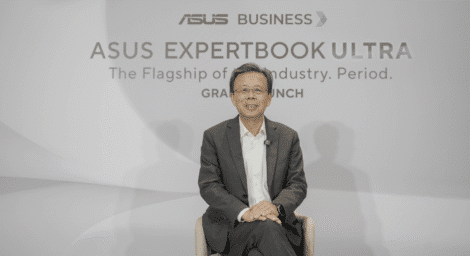
Samson Hu, Co-CEO of ASUS, guides business leaders in AI adoption
Philippine Daily Inquirer

Straits Times
BusinessJul 7, 2026 · 1 min
Trump rings Wall Street opening bell, hails Trump Accounts
Straits Times