ABC News
Government report says AI not causing mass job lay-offs, yet
Amid warnings that artificial intelligence could wipe out white-collar jobs and cause high-profile lay-offs, the federal government's first major look at AI's effect on employment has found the sky is not falling.
Yet.
According to the first-of-its-kind report from the Department of Employment and Workplace Relations, Australia's job market remains strong but there are some early signs of weakening around jobs predicted to be most affected by the technology, such as telemarketers.
It comes amid growing public anxiety about AI and employment, with thousands of Australian tech workers laid off this year in cuts linked to AI.
Employment and Workplace Relations Minister Amanda Rishworth said the report should calm fears of imminent disruption to Australia's job market.
"Artificial intelligence could yet reshape the jobs market in Australia, but this report shows labour market conditions remain strong by historical standards, youth outcomes have mostly held up, and occupational reshuffling has not accelerated," she said.
However, the minister said the Albanese government would monitor the market and regulate AI to harness its benefits for Australian workers.
Job market steady with warnings at the edges
The government's report takes a bird's-eye view of how Australia's job market has changed since the release of ChatGPT in November 2022, based on labour market data and statistical analysis.
While the market is in a strong position overall with low unemployment, the government's analysis includes evidence that could be the early signs of AI's impact.
It looked at the difference between growth in industries believed to be exposed to AI, including registry clerks, telemarketers and administrative roles.
Employment in the occupations most exposed to AI grew by 5.6 per cent between November 2022 and February 2026, the report found, compared with 9.5 per cent in the least-exposed occupations.
The report suggested that jobs exposed to AI had about 2 per cent lower employment by February this year than they would have under a pre-ChatGPT trend.
But the report repeatedly cautioned that it was not definitive proof AI was impacting those types of jobs, noting AI-exposed jobs were already facing weaker growth before ChatGPT was released.
The report also had some counterintuitive findings about AI and work.
While a few high-profile tech companies have linked recent job cuts to AI, the report said employment in Australian software development roles had actually increased by 25 per cent since November 2022.
Jobs for people aged 20 to 24 had also grown slightly faster than jobs for people aged 25 and over since the introduction of ChatGPT, while young graduate outcomes remained resilient.
The continued growth in youth employment combined with a lack of rapid reshuffling across occupations — a potential sign that AI disruption was causing people to adapt by changing careers — was also inconsistent with AI-fuelled job market disruption, the report said.
The report lends further credence to previous research that AI was reshaping the labour market and slowing hiring in some exposed jobs, but had not yet produced clear evidence of widespread job losses.
The findings also put Australia at odds with the United States, which is experiencing a weakening of its job market.
Too late to wait
The government said the report would serve as an important benchmark for the future monitoring of AI's effect on work.
Outside of the research, it has created a regular meeting between government, employers and unions to monitor and address the effects of AI on the workplace.
Ms Rishworth said the research also reaffirmed its commitment to make sure AI helped create "good jobs".
"We will continue to make sure Australians are supported through this change, with the skills, training and pathways needed to adapt and benefit," she said.
The federal government has faced criticism that it is failing to pre-empt the threat to workers from AI by political opponents ranging from One Nation senator Pauline Hanson to the Greens.
Coalition employment spokesperson Jane Hume has been contacted for comment.
Scientia Professor of AI at UNSW Sydney, Toby Walsh, said the absence of clear job losses did not mean governments could afford to wait before preparing workers for change.
"When the numbers are showing significant impact of AI on jobs, it's already too late to respond," Professor Walsh said.
"We actually have to be proactive."
View original source — ABC News ↗
Related stories

CNA
TechnologyJul 7, 2026 · 1 min
Commentary: AI will change warfare but people remain core to SAF
CNA
TechRadar
TechnologyJul 7, 2026 · 1 min
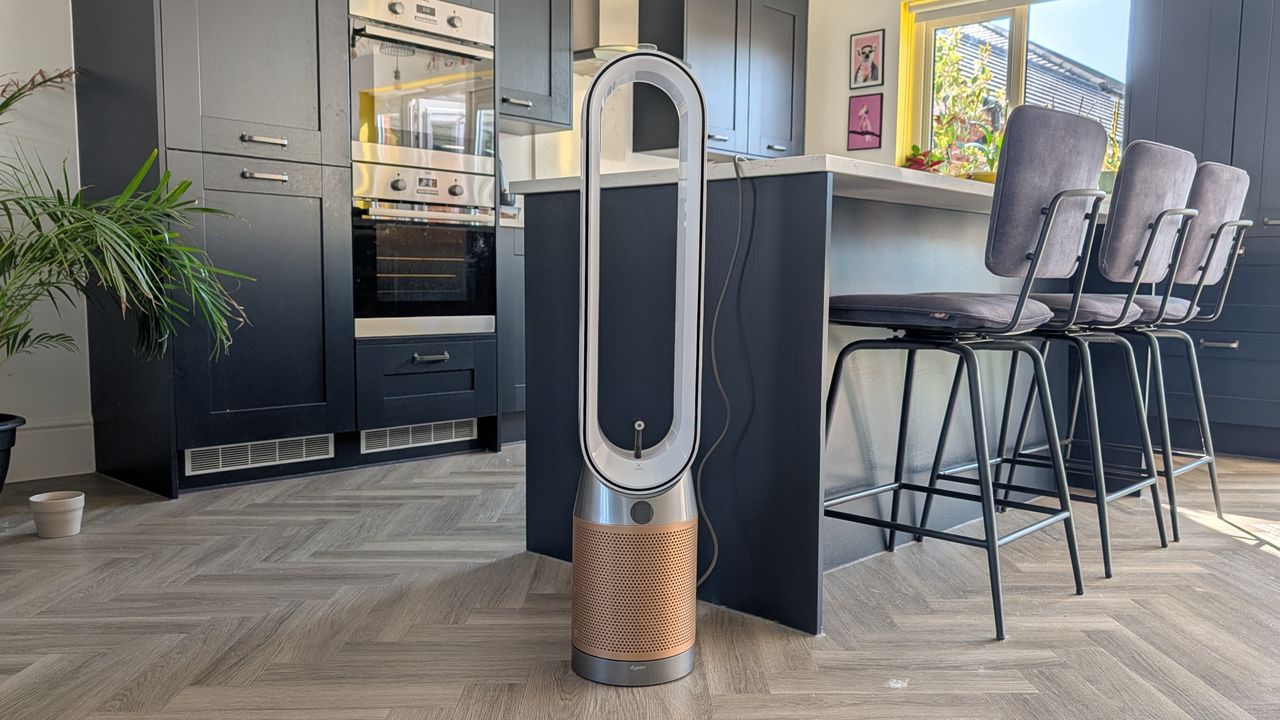
The Dyson Find+Follow 'blew us away' when we reviewed it last month
TechRadar
TechRadar
TechnologyJul 7, 2026 · 1 min
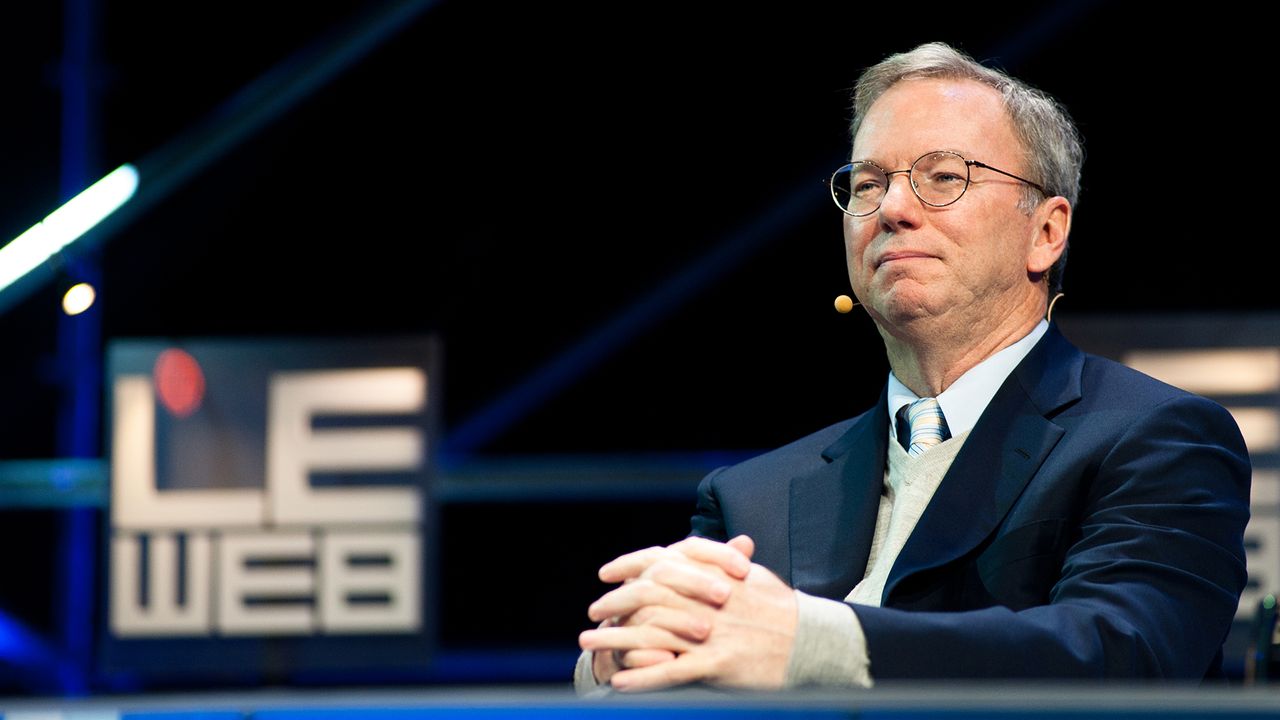
Quote of the day by former Google CEO Eric Schmidt: 'A $5,000 drone can destroy a $5 million tank'
TechRadar

Wired
TechnologyJul 7, 2026 · 1 min
Meta Now Lets Anyone Use Your Instagram Photos in AI Images—Unless You Opt Out
Wired