
RNZ
Explainer: How to prevent your Instagram images from being used for AI
Explainer: A new feature introduced by Instagram this week allows your photos to be used by anyone to make AI images.
The function is automatically being turned on for Instagram accounts, meaning you'll need to change it.
Meta unveiled Muse Image this week, calling it "image generation built for your world."
It includes a feature that lets users create AI images based on any public Instagram images.
That means your holiday snaps, your restaurant meal shots and other personal moments could be turned into an AI "remix" by anyone unless you change your settings on Instagram.
"Whether you're starting from scratch or working with an existing photo, you can describe what you want in simple, conversational language, and Meta AI handles the rest thanks to Muse Image," Meta said in its announcement.
Meta said Muse Image uses "advanced reasoning to understand complex prompts, seamlessly blending multiple photos into high-quality creations you can download and share anywhere - including directly to your chat, story, or feed."
The company said it added more than 30 new AI-powered effects to Instagram stories.
The company also said it will soon be rolling out Muse Image on Facebook, Messenger and WhatsApp as it seeks to integrate AI across its social media apps.
They're also soon planning to launch Muse Video, an AI video generator.
How do I opt out of Instagram using my photos for AI?
Instagram does offer a way to opt out.
You can choose to make your account private, which immediately removes it from Muse Image options.
If you want to keep your account public but don't want images scraped by AI remixers, you have to change your settings.
Go to Instagram's settings and scroll to the "share and reuse" tab.
Toggle off the setting that says "Allow people to reuse your content on Instagram and with AI features."
The effect is only open on public accounts and users over 18, Meta said.
There hasn't been any announcement yet if similar opt-outs will be available when Muse Image comes to Facebook and other Meta platforms.
Muse Image may be a 'privacy landmine'
Online abuse expert and Canterbury University senior law lecturer Cassandra Mudgway said Meta's decision to open up all public images to AI was troubling.
"Just because someone has chosen to share content publicly does not mean they have meaningfully consented to it being remixed, transformed or reused by AI systems," she said.
"While other users can remix public reels, for example, there is an important ethical distinction between sharing something with other people and having it repurposed for entirely different purposes that users may never have anticipated."
Muse Image has immediately drawn concern from many online.
"Pulling real users into generated photos without explicit consent is a privacy landmine waiting to detonate," an X user posted, while a Reddit user said that "Meta looked at feeds already drowning in recycled posts, engagement bait, fake giveaways, stolen photos, and AI slop, then decided the missing ingredient was letting people generate more of it with their friends' public pictures."
Mudgway noted this was not the first time Meta had rolled out AI functions without user consent, and Muse Image could make online abuse worse.
"AI tools that can reuse or transform people's photos and videos make it easier to create impersonations or spread mis/disinformation about a person.
"We already know women and other marginalised groups experience disproportionate levels of online harassment, and expanding AI's access to publicly available content may increase those risks."
Many people are also unlikely to be aware their public content could be used by AI, she said.
A reporter for tech website CNET said they were able to make a picture of one of their colleagues dressed up as a pirate from her public Instagram account within seconds.
Meta told CNET its models have built-in protections to prevent the model from creating illegal, abusive or defamatory content.
There have been broader concerns about nonconsensual AI image generation through tools such as OpenAI's Sora, which allowed dead celebrities and others to be used in 'deepfake machines'. The tool was later pulled off the market by OpenAI as it said it would focus on other products.
A bill to criminalise non-consensual sexually explicit deepfakes in New Zealand was pulled from the member's ballot for Parliament to consider.
Mudgway said public images are already frequently being used by third-party AI systems "in ways many users never expected".
"Meta's latest feature simply embeds and normalises it within the platform itself. The concern is less about whether it could happen and more about how much easier and more commonplace this kind of AI reuse is becoming."
Related stories

Times of India
TechnologyJul 9, 2026 · 1 min
Cristiano Ronaldo's two-word message after Portugal's World Cup exit
Times of India
Indian Express
TechnologyJul 9, 2026 · 1 min
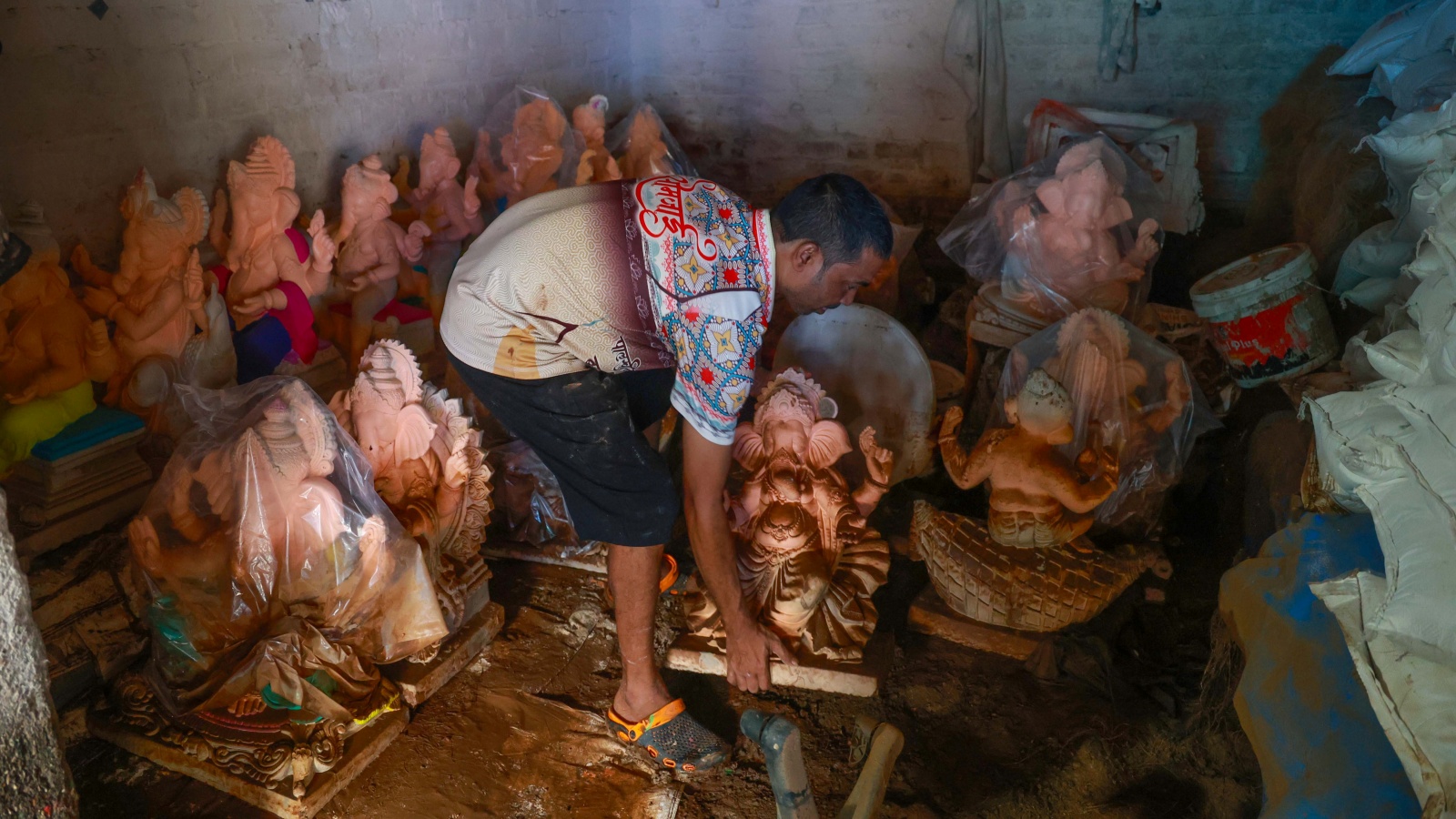
‘Lost everything in half an hour’: Rain destroys idols worth crores in Maharashtra hub before Ganesh Chaturthi
Indian Express
Indian Express
TechnologyJul 9, 2026 · 1 min
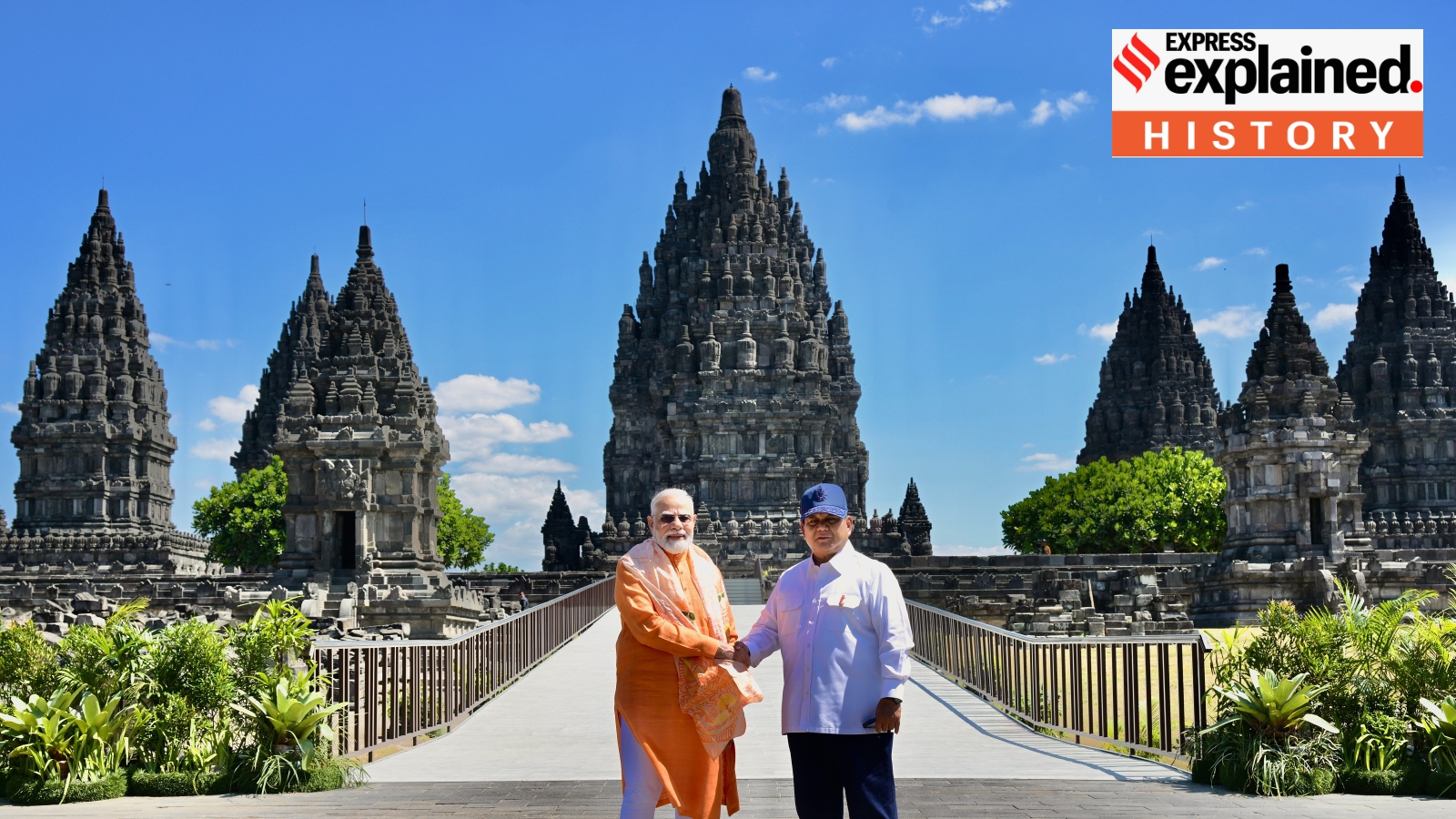
Prambanan temple: Revisiting origins and history of Indonesia’s iconic heritage site
Indian Express
South China Morning Post
TechnologyJul 9, 2026 · 1 min
Saudi Arabian tech giant eyes Hong Kong as Asia gateway and smart city partner
South China Morning Post