ABC News
Driving lessons open up new world for refugees in Toowoomba
The seatbelts are fastened, the right-hand indicator is flashing and Kamo Alali is giving a simple instruction to his younger sister, Berivan, about how to correctly enter the intersection of a busy Toowoomba street.
For some, the thought of teaching someone how to drive can be a daunting prospect.
But Mr Alali, who came to Australia from Iraq as part of the 2020 Yazidi refugee intake, loves giving people the chance to gain their independence.
He volunteers at not-for-profit You Belong, a refugee support organisation provides driving lessons to those wanting to get behind the wheel.
Mr Alali said he was able to teach his students to feel more comfortable behind the wheel while speaking in their native tongue, whether that be Kurdish, Arabic or English.
"When I [am] teaching them, I told them that, step by step, 'You need more practice, don't be nervous, [be] patient,' and they are happy to learn," he said.
"If they're from [the] Yazidi community, they will be confident because we speak [the] same language."
You Belong general manager Carley Maher said the Learner Driver Mentor Program, funded by Queensland Transport and Main Roads, had a waitlist of about 70 people wanting to learn in the service's sole training car.
She said the ability to drive helped refugees access English classes and job opportunities that might not be accessible by public transport.
"In order for them to access employment and access services they need to be able to have their licence, because transport isn't necessarily as great here as what it would in a capital city," Ms Maher said.
Isolation in the rear-view mirror
Refugee Council of Australia senior policy adviser Louise Olliff said refugees in regional communities were always looking for ways to build social connections.
"If someone can drive they can also get to school or work or community events or festivals or whatever it is. It sort of ticks quite a few different boxes," she said.
"Without access to driving or access to transport, I think people become isolated and I think that's something that newcomers don't want.
"They want to be out in their community meeting people and getting to experience the opportunities and the things that are available to them."
You Belong program coordinator Jiana Thirl, who moved to Australia from Syria as a refugee in 2018, said having access to programs such as driving lessons allowed a person to establish themselves in the community.
"I remember myself when I came to Australia, it was very hard when you arrived here [because] it's [a] different language, different system, [and] you don't know anything about the new country, so you need help," she said.
Between working two jobs and volunteering his time teaching others to drive, Mr Alali said he was "happy to be helping" people find their feet.
Berivan, 16, is eager to get her licence so she can take herself to school and then university in a few years' time.
Mr Alali also taught their mother how to drive and the family hopes another driver will be in the household soon.
"Hopefully, if I get my hours in, I can get my licence this year," Berivan said.
"It's a great opportunity, it shows you all the skills and techniques you need.
"Now I know how to drive even better. Before, I didn't even know how to turn [the car] on, and now I'm driving around."
View original source — ABC News ↗
Related stories

TASS
WorldJul 9, 2026 · 1 min
Naval base in southeastern Iran comes under attack — news agency
TASS
Indian Express
WorldJul 9, 2026 · 1 min
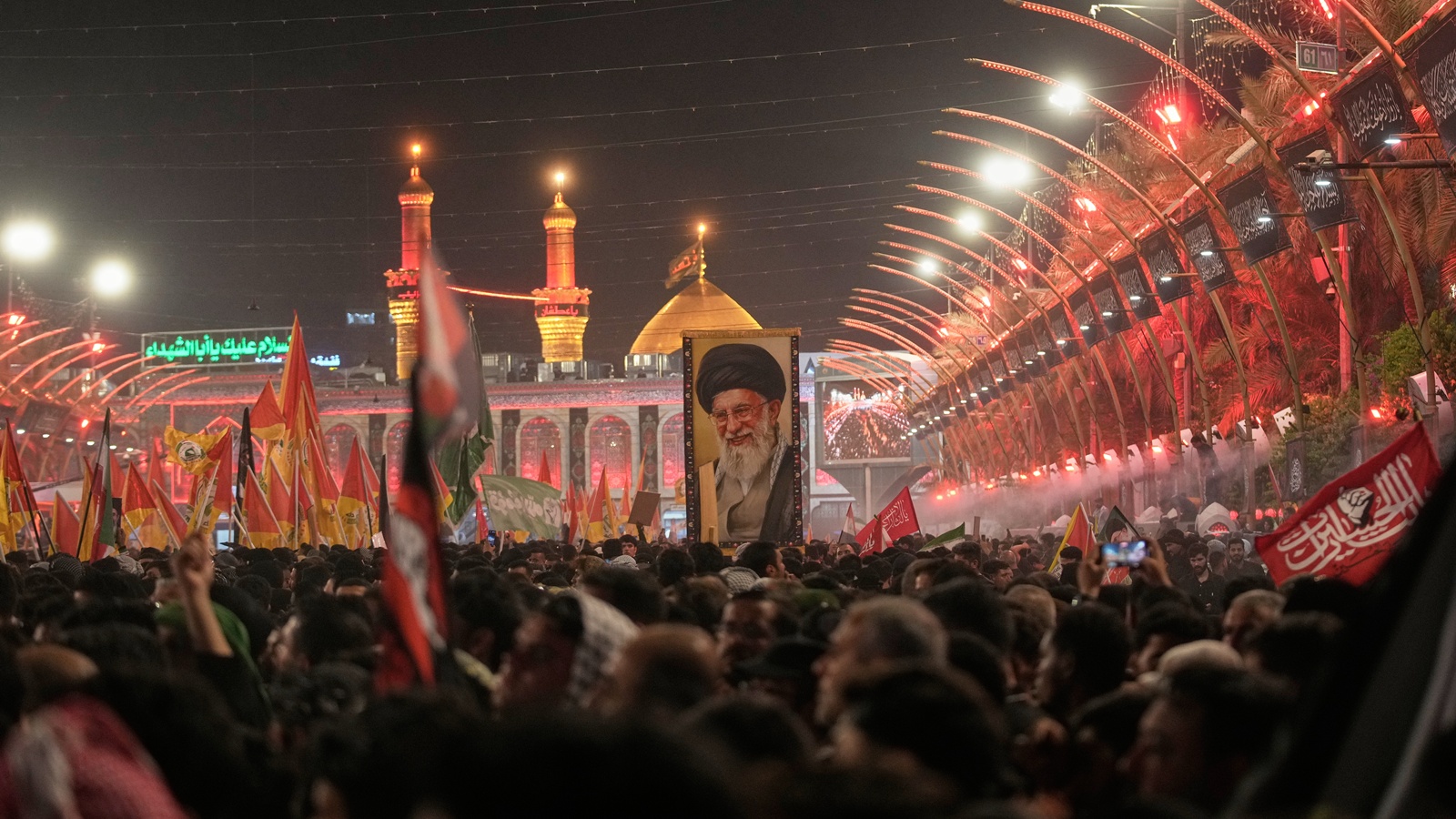
Iranians bury Ali Khamenei 4 months after deadly US-Israel strikes
Indian Express

Philippine Daily Inquirer
WorldJul 9, 2026 · 1 min
DA targets 380 mechanical dryers for 2027 harvest
Philippine Daily Inquirer
ABC News
WorldJul 9, 2026 · 1 min
Man charged with child sex offences, police call for public assistance
ABC News