Indian Express
‘I don’t fear the night anymore’: Women Uber drivers in Chandigarh seek better support from aggregators
4 min readChandigarhJul 10, 2026 07:20 PM IST
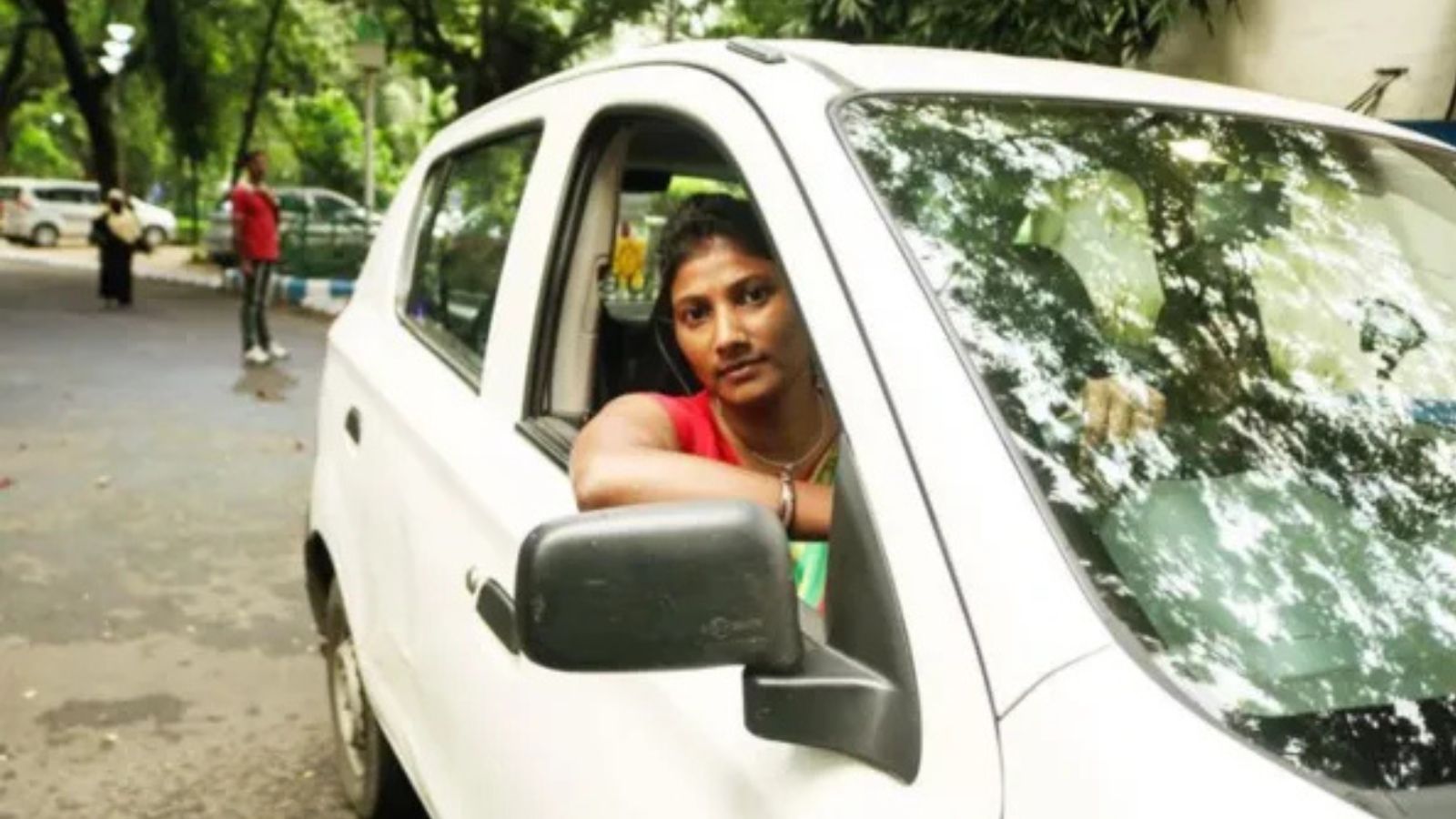
Women Uber drivers in Chandigarh highlight safety, low earnings and the need for stronger support from ride-hailing platforms. (File Photo)
Written by Lovish Verma
For Nisha Sharma (40), driving is more than a profession. It is the skill that helped her rebuild her life after losing her husband in 2016.
Today, Sharma spends up to 12 hours behind the wheel, often driving late into the night across Chandigarh, Panchkula, Mohali and Zirakpur.
“I feel safe while driving at night because Chandigarh Police remain active, there are barricades at several locations and I avoid isolated areas,” Sharma told The Indian Express.
One of the women drivers operating on Uber in the Tricity, Sharma said improved policing, support from fellow drivers and continuous location sharing have made night shifts more manageable. At the same time, she said women drivers continue to face challenges, including difficult passengers, low earnings and limited support from ride-hailing platforms.
Having previously worked in the real estate sector, Sharma said she switched to commercial driving to spend more time with her children while earning independently.
“My husband taught me driving in just three months. Today, that skill has become my livelihood,” she said.
Story continues below this ad
While describing Chandigarh as comparatively safe for women drivers, Sharma recalled two instances of alleged passenger misconduct. In one case, she asked an intoxicated passenger to get out of her vehicle after repeated warnings. In another, she intervened when a group of men allegedly followed women passengers.
Despite these incidents, Sharma said she has never used Uber’s SOS feature. Instead, she relies on her drivers’ union, whose members share their live locations so that nearby drivers can reach anyone facing an emergency.
“Our live location system works better because fellow drivers immediately respond whenever someone is in trouble,” she said.
Sharma also criticised Uber’s driver support system, claiming her account had remained blocked despite there being no customer complaints against her. She urged the company to strengthen its grievance redressal mechanism and introduce better welfare measures for women drivers.
Story continues below this ad
Another driver, Manpreet Sodhi (45), said flexibility was the primary reason she took up the profession after leaving a 22-year career in the healthcare sector during the Covid-19 pandemic.
“I wanted a profession where I could take care of my son and manage my household while earning. Driving gave me that flexibility,” she said.
Unlike Sharma, Sodhi usually drives until 10 pm, although she has occasionally worked until 1 am to complete ride targets.
“I have mostly received families and women passengers. So far, I have not felt unsafe while driving at night,” she said.
Story continues below this ad
Sodhi, however, said declining fares and rising fuel costs remain among the biggest concerns for drivers. She also recalled instances where passengers allegedly refused to pay parking charges or fares after completing rides.
“Fuel prices continue to rise but fares have remained almost the same. Competition among different ride-hailing companies has affected drivers the most,” she said.
Both drivers said more women should consider joining the profession.
“Driving offers financial independence. You don’t necessarily need higher educational qualifications to start earning through this profession,” Sharma said.
Story continues below this ad
Sodhi said ride-hailing platforms should introduce dedicated benefits for women drivers, including insurance coverage and stronger safety measures.
She also appealed to passengers to treat drivers with respect.
“People often assume drivers enter this profession because they have no other option. Many drivers are educated and work hard with dignity. They deserve respect,” she said.
As more women take up commercial driving in the Tricity, both drivers said stronger institutional support, fairer fares and better welfare measures would encourage greater participation by women in the profession.
(The author is an intern at The Indian Express)
View original source — Indian Express ↗
Related stories
TechRadar
TechnologyJul 10, 2026 · 1 min
Proton VPN brings official one-click installs to the Linux Snap Store — but some features are still missing
TechRadar

Wired
TechnologyJul 10, 2026 · 1 min
What Watching a Soccer Final Does to Your Body, According to Science
Wired

The Verge
TechnologyJul 10, 2026 · 1 min
Disney Plus is reportedly looking into a free streaming tier
The Verge
Indian Express
TechnologyJul 10, 2026 · 1 min
UPSC Essentials daily subject quiz : Environment and Geography MCQs (Week 170)
Indian Express