The Guardian
Reeves tells Burnham to expect ‘shocks and challenges’ from get-go in No 10
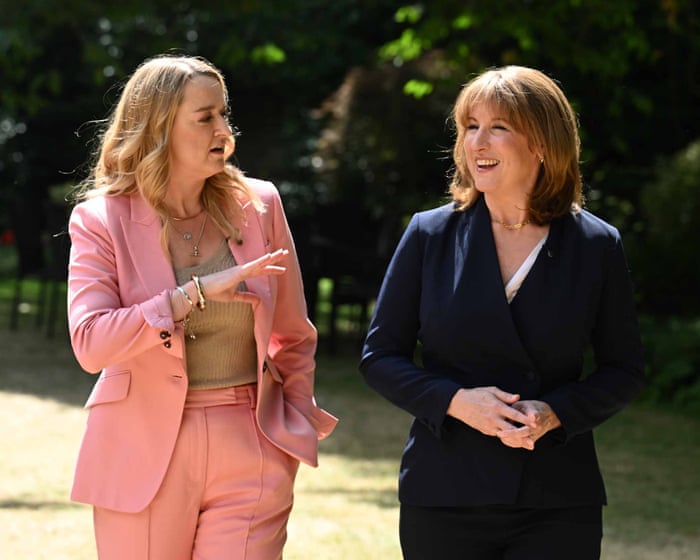
Rachel Reeves has urged Andy Burnham to arrive in Downing Street with a “worked through plan”, saying the incoming prime minister will be tested quickly by a range of incoming “shocks and challenges”.
In what could be one of the first female chancellor’s final major interviews while in No 11, Reeves said Burnham should remain focused on the priorities that first brought him into politics.
Burnham’s bid to become Labour leader and prime minister has been backed by 322 of the party’s 403 MPs, leaving him just one short of the number required to make it mathematically impossible for a rival to compete against him. If no one else enters the contest, he will expect to become Labour leader on 17 July, and the prime minister the next working day – 20 July.
Speaking to BBC One’s Sunday with Laura Kuenssberg, Reeves said: “It is important that when Andy walks through that door he has a worked-through plan, because governing is hard in Britain, and lots of challenges and shocks will come his way.”
Burnham has already begun setting out his vision and blueprint to transform the UK, centred around the “biggest rebalancing of power Britain has ever seen”, which includes a new No 10 North hub to oversee the distribution of power and resources from Whitehall across the country.
In a wide-ranging speech last month, he said he hoped to “lift the country back up” and revive hope among voters who have become frustrated with politics. Burnham has hinted at an early package of cost of living support once he makes it into Downing Street, accepting that “people can’t wait for ever for change”.
Reeves admitted that Starmer and his government had lost of the confidence of both Labour MPs and the public because “people are impatient for change”, adding: “I’m impatient for change, and I totally get that people want to see their lives changed.”
She said Burnham would inherit stronger economic foundations than she and Starmer did after 14 years of the Conservatives. “Andy will take over an economy that is much stronger than the one I inherited from the Tories just two years ago,” she said.
Reeves told the BBC she was “absolutely certain, if we could go back two years, there are choices that I made that would be different”, before adding: “But look at the big picture, look at the plan, look at the strategy that I have been pursuing, and that strategy was to return stability to the economy, to enable interest rates to come down. We are growing for the first time and seeing productivity growth in our economy at rates we haven’t seen for a long while.”
In the interview, Reeves appeared to rebut a claim that the decision to take away the winter fuel allowance from millions of pensioners caused problems within the party, and instead was eager to highlight the progress she believed the economy had made.
The latest ONS figures show families disposable income is falling, and it is expected that by the end of this parliament, the country’s debts will be higher than they were when Labour moved in.
The former transport secretary Louise Haigh said Burnham had been planning how he might succeed Starmer for at least a year. “He has been thinking about this and certainly planning for this, for this moment, for at least the last year,” she told Radio 4’s Political Thinking with Nick Robinson.
Haigh, one of Burnham’s key allies and a leading figure of the soft left, said his route into No 10, and his decision to run for a third time to become Labour leader, only became crystal clear after Labour’s disastrous election results in May. She said it was obvious, “it couldn’t continue the way it was continuing”.
Reeves said: “It’s perfectly reasonable for people to have ambition,” adding: “Andy has never shied away from the fact that he wanted to at some point lead the Labour party. And I want him to be ready for that.”
Reeves said one of her lowest moments in office was when she was seen crying during a session of prime minister’s questions last year.
She said: “Don’t cry on national television. That was probably my toughest moment or perhaps even tougher, seeing photos of me crying on national television on the front page of pretty much every newspaper the following day.”
View original source — The Guardian ↗
Related stories
OnlineKhabar
PoliticsJul 12, 2026 · 1 min
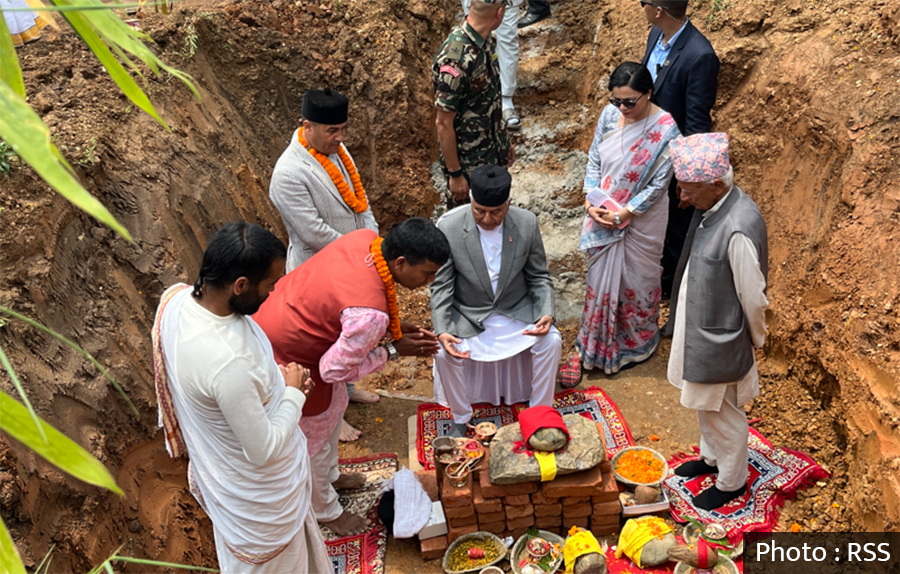
Rs 240 million designated for Bhanu Sahitya Udyan
OnlineKhabar
Times of India
PoliticsJul 12, 2026 · 1 min
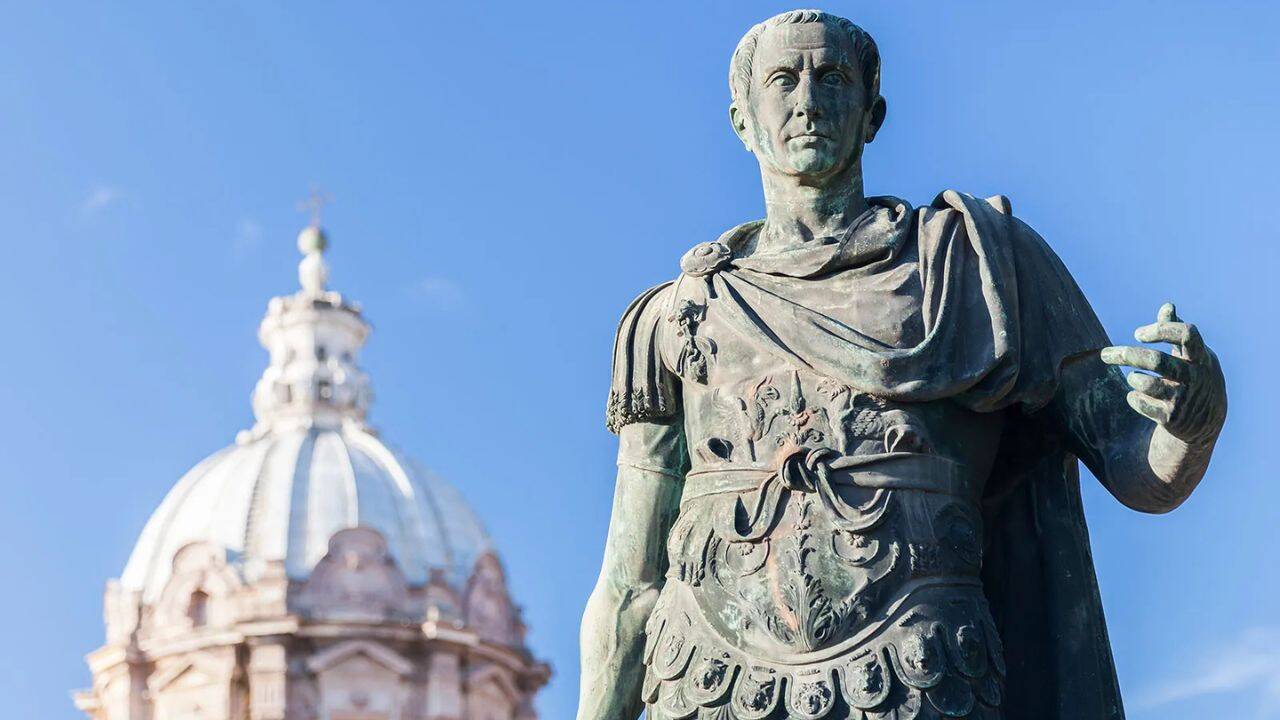
Did you know July is named after Julius Caesar?
Times of India

The Hindu
PoliticsJul 12, 2026 · 1 min
Pakistan Deputy PM Dar calls for de-escalation in West Asia
The Hindu
Times of Israel
PoliticsJul 12, 2026 · 1 min
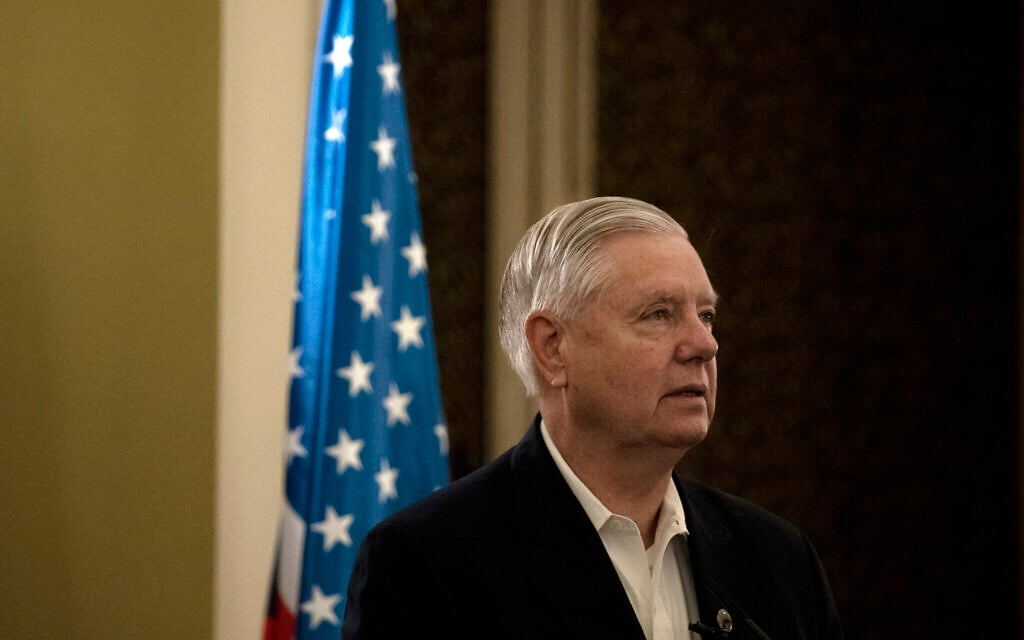
Sen. Lindsey Graham, outspoken backer of US-Israel relationship, dies at 71
Times of Israel