Indian Express
Flight cancellation during monsoon: What passengers can claim from airlines
4 min readNew DelhiJul 14, 2026 02:00 PM IST
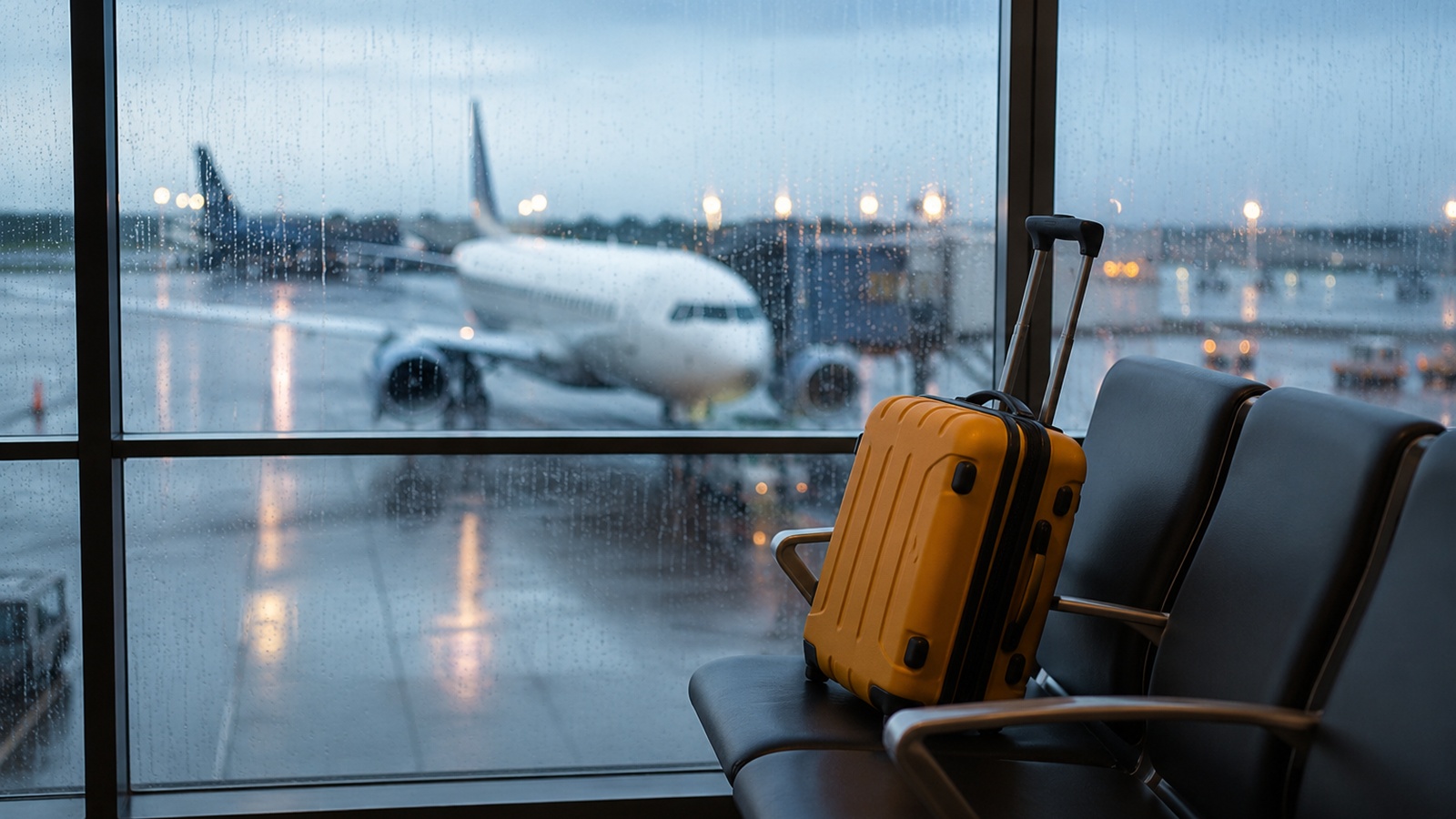
Passengers should, wherever possible, obtain written or electronic confirmation (Photo: AI Generated)
Many of us have experienced how last-minute flight cancellations not only leave our plans uncertain and strand us but also lead to anxiety about upcoming travel during the monsoon. Instead of feeling anxious, you can use a practical guide to make smart choices when such uncertainty arises. To understand more about passenger rights, we reached out to Dhairyashil Vandekar, an aviation expert and analyst, who explained that under DGCA Civil Aviation Requirements, Section 3, Series M, Part IV, read with the Passenger Charter of Rights, adverse meteorological conditions such as heavy rain, thunderstorms, low visibility, cyclones and similar severe weather events, together with other Force Majeure situations, generally constitute “extraordinary circumstances” beyond an airline’s control.
DISCLAIMER: This article is based on information from the public domain and/or the experts we spoke to.
In such cases, airlines are ordinarily exempt from paying the statutory monetary compensation (Rs 5,000/- to Rs 10,000/- depending on the circumstances) that is otherwise payable for flight cancellations attributable to the airline. “However, this exemption does not relieve carriers of their core obligations towards passengers. To rely on the Force Majeure exemption, the airline should be able to demonstrate that the disruption arose from extraordinary circumstances that could not have been avoided even if all reasonable measures had been taken,” Vandekar told indianexpress.com.
Where a flight is cancelled due to adverse weather or another Force Majeure event, the airline must offer passengers a clear choice between a full refund of the ticket fare and re-routing on an alternate flight to the destination, subject to seat availability. Vandekar noted that refunds should be processed promptly in accordance with DGCA requirements and the applicable payment method. “In addition, passengers who have already reported at the airport remain entitled to appropriate care and assistance during the disruption, including meals and refreshments during extended waiting periods and where an overnight delay becomes necessary, hotel accommodation together with airport-hotel transfers have to be provided. These obligations are intended to ensure that basic passenger welfare is protected irrespective of the cause of the disruption,” the expert continued.
Here’s what you should consider (Photo: Freepik)
In such situations, passengers should, wherever possible, obtain written or electronic confirmation from the airline stating that the cancellation was due to adverse weather or another Force Majeure event, as this may assist if a dispute subsequently arises.
“They should also exercise their choice of either a refund or alternate travel at the earliest opportunity, retain all relevant documents – including booking confirmations, boarding passes, cancellation notifications and receipts for any expenses incurred seeking any care and assistance to which they are entitled,” said Vandekar.
If an airline fails to honour its obligations under the DGCA framework, passengers may lodge a grievance through the AirSewa portal or mobile application and where appropriate, pursue remedies before the competent Consumer Commission under the Consumer Protection Act, 2019. “The regulatory framework seeks to balance the operational realities of unavoidable disruptions with enforceable protections for passenger rights,” said Vandekar.
Story continues below this ad
DISCLAIMER: This article is based on information from the public domain and/or the experts we spoke to.
View original source — Indian Express ↗
Related stories

Variety
EntertainmentJul 14, 2026 · 1 min
Ellen Burstyn to Receive Venice’s Golden Lion for Lifetime Achievement
Variety

E! Online
EntertainmentJul 14, 2026 · 1 min
How to Watch E!'s The Odyssey Red Carpet Premiere Livestream
E! Online

Philippine Daily Inquirer
EntertainmentJul 14, 2026 · 1 min
Tulfo, witness to defense: Original ‘Romanov’ plan was threat vs Marcos
Philippine Daily Inquirer

Philippine Daily Inquirer
EntertainmentJul 14, 2026 · 1 min
Vinluan: Sara Duterte remarks vs Marcos ‘not threats in the first place’
Philippine Daily Inquirer