Indian Express
India-UK FTA kicks in: What changes for consumers, industry
4 min readNew DelhiUpdated: Jul 15, 2026 08:21 PM IST
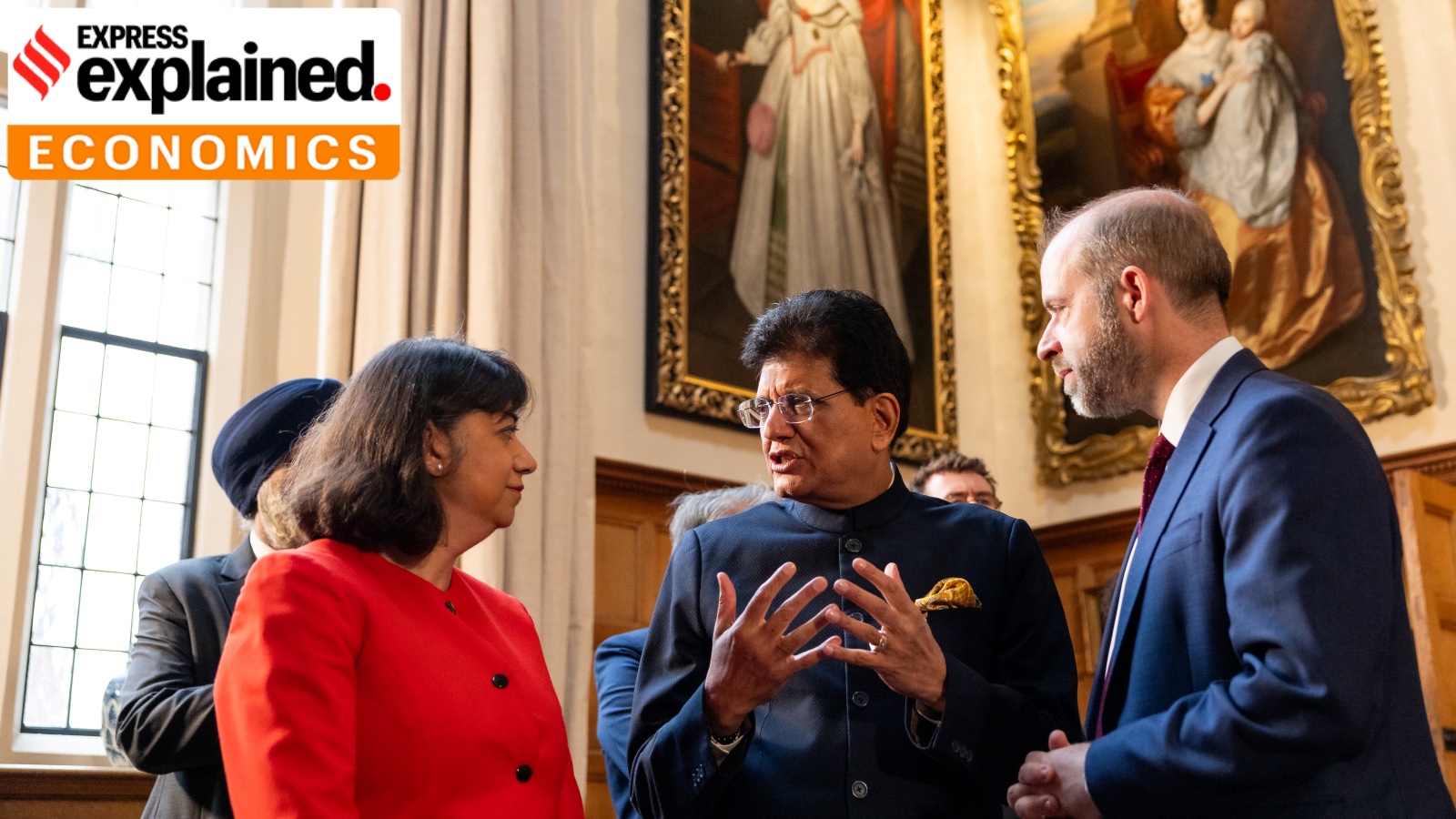
Piyush Goyal, Union Minister of Commerce and Industry meeting the then UK Secretary of State for Business and Trade Jonathan Reynolds on 24/07/2025 (Wikimedia Commons)
Amid a fracturing world trade order, the India-UK free trade agreement (FTA) came into effect on Wednesday. The deal, negotiated over four years and marked by major political volatility in London, is India’s first comprehensive deal with a developed country. The deal laid the framework for India’s negotiations with the European Union.
With the deal, India’s labour-intensive goods exports, such as textiles, footwear and gems and jewellery, could get a boost. Indian consumers can access British cars, scotch and chocolates at lower prices. India has reduced tariffs on around 90% of products and the UK has eliminated tariffs on 99% of Indian exports.
Changes for consumers
For the first time, India has given major concessions to imported cars and alcoholic beverages in an FTA, reducing tariffs for British cars from up to 110% to 30% in year one. The duty will go down to 10% by year five of the deal coming into effect. The annual quota for British cars starts at 20,000 vehicles and peaks at 37,000 by year five.
India has also given major concessions to British alcoholic beverages by reducing tariff from 150% to 75% initially and then to 40% by year 10. According to Delhi-based think tank Global Trade Research Initiative (GTRI), this is a major concession as India is one of the world’s largest and fastest-growing spirits markets and the UK is the world’s largest whisky exporter.
Tariffs for British beauty and cosmetics and sports equipment have also been removed or reduced.
Indian textile exports currently face tariffs of up to 10% in the UK. The trade deal could place India on a more level playing field with competitors such as Bangladesh, thereby boosting exports. India’s gems & jewellery exports, along with footwear exports, will also get a boost as duty in the UK has been eliminated from up to 12% and 16% respectively.
Customs changes for the first time
For the first time in an FTA, India has allowed a system of self-declaration of origin by exporters or producers in the United Kingdom, replacing the conventional system of certificates issued by designated authorities, which often causes delays and hurdles. Experts said this could become the custom norm for exporters in developed countries such as the EU and US, making it comparatively easier for them to ship goods to India.
Story continues below this ad
This customs change comes as India is also aiming to reduce its dependence on Chinese and Association of Southeast Asian Nations (ASEAN) exporters.
India’s dependence on Chinese medical devices has been a concern. Now, New Delhi has removed up to 14% tariffs on the UK’s medical devices, with phased tariff reductions for some sensitive items.
Quota on steel exports
Commerce Secretary Rajesh Agarwal at a press briefing said quotas allocated by the UK will ensure that India’s iron and steel exports go up. A government official said India’s iron and steel exports will grow from around $850 million to over $1 billion.
The curbs on steel imports announced by the UK after the trade negotiations had become a major flash point before the deal came into effect.
Story continues below this ad
Concessions for Indian professionals
The Commerce and Industry Ministry said that the deal on social security contributions would benefit 75,000 Indian Professionals and around 900 firms by providing exemption from contribution to UK National Insurance for five years. It covers the most important element of avoiding double contribution, exempting employees of Indian companies in the UK from contributing to the UK system.
The challenges
A commerce and industry ministry official said the labour and environment chapter of the India-UK agreement is not binding. Experts said this is a big win for India, as western countries have strong labour and environment norms that tend to act as a non-tariff barrier for exports from developing nations.
However, India did not get an exemption from the UK’s proposed Carbon Border Adjustment Mechanism (a pricing framework to ensure imported carbon‑intensive goods face a carbon cost to comparable to domestic products), set to come into effect from January 1 next year.
Ravi Dutta Mishra is a Principal Correspondent with The Indian Express, specializing in economic policy and financial regulations. With over five years of experience in business journalism, he provides critical coverage of the frameworks that govern India's commercial landscape.
Expertise & Focus Areas: Mishra’s reporting concentrates on the intersection of government policy and market operations. His core beats include:
Trade & Commerce: Analysis of India's import-export trends, trade agreements, and commercial policies.
Banking & Finance: Covering regulatory changes and policy decisions affecting the banking sector.
Professional Experience: Prior to joining The Indian Express, Mishra built a robust portfolio working with some of India's leading financial news organizations. His background includes tenures at:
Mint
CNBC-TV18
This diverse experience across both print and broadcast media has equipped him with a holistic understanding of financial storytelling and news cycles.
Find all stories by Ravi Dutta Mishra here ... Read More
Tags:
Explained Economics
Express Explained
View original source — Indian Express ↗
Related stories

Euronews
TechnologyJul 15, 2026 · 1 min
The future of journalism debated at the 4th Shusha Global Media Forum
Euronews
ABC News
TechnologyJul 15, 2026 · 1 min
The Odyssey may be the epic we deserve, but not the one we need
ABC News

The Verge
TechnologyJul 15, 2026 · 1 min
OpenAI finally launches hardware… for Codex
The Verge
TechRadar
TechnologyJul 15, 2026 · 1 min
Privado VPN unveils an MCP server on Windows and macOS to let your AI agent manage your connection
TechRadar