
CNET
I Used Every OnePlus Phone I Could Get My Hands On. These Were My Favorites
OnePlus has announced that it's ceasing all operations in Europe and North America, and while the brand may continue to do business in India and its home country of China, it's certainly the end of an era for many of us. OnePlus unveiled its first phone in 2014 and has gone on to launch a wide variety of products, including phones, foldables, smart watches and more. Most of these stuck to the company's ethos of offering solid hardware at more affordable prices than its premium rivals.
I've reviewed phones for CNET for the last 15 years, and that means I've gotten my hands on pretty much everything OnePlus has launched in the UK -- and written full CNET reviews for many of its products. So now that it has shuttered its business where I live, I wanted to take a look back at some of OnePlus's highlights over the years.
OnePlus One, 2014
I'm starting with the company's first phone. Featuring a 5.5-inch display, a Qualcomm Snapdragon 801 processor and a single 13-megapixel rear camera, the phone actually had pretty solid features. Dubbed a "flagship killer" because of its low $299 price, OnePlus built its reputation by undercutting rivals on price while still providing enough grunt to make its phones perform well in everyday use. By comparison, its main rival at the time was Samsung's Galaxy S5, which launched at over $600.
OnePlus didn't make it easy to buy, though. At first, it launched solely through an odd invite system and word-of-mouth marketing. Still, the charmingly grassroots beginnings helped the niche product get recognized, and the company gained a dedicated community following as a result, helping the brand get a foothold in the already crowded Android phone market.
OnePlus 3, 2016
The OnePlus 3 made notable changes compared with the models that came before it. Chiefly, it was the first of the range to come with an entirely metal construction, which we said "looks better than all of OnePlus' past devices" in its full review. It also didn't require you to wait for an invite to buy it, making it the most accessible phone the company had launched.
It stayed true to the "cheap but good" philosophy, however, with a 5.5-inch full HD display, a Snapdragon 820 processor and a decent 16-megapixel camera around the back. Not a bad lineup for its $400 asking price, which still massively undercut all rivals. The OnePlus 3T was launched later in the year, marking the first time the company would launch a mid-cycle T variant boasting slightly more processing power -- something the brand would continue to do throughout its run.
OnePlus 5T, 2017
The base OnePlus 5 launched in June 2017, with the 5T version launching in November of that year, which I liked the most. Not because of its boosted specs, but because OnePlus took the opportunity to be a bit more experimental with its colors. The 5T launched in both a vibrant 'lava red' metallic finish and sandstone white, pictured above. This sandstone model wasn't just a color, though -- it had a matte finish that genuinely felt like you were holding a phone hewn straight out of sandstone.
I loved it as a refreshing change from the usual black or silver phones we had at the time, and I was disappointed it wasn't an option OnePlus offered on all its future phones (it returned in the OnePlus 15, though less yellow and textured).
Other changes included a larger 6.01-inch display, the removal of the home button on the front (meaning the fingerprint sensor was moved to the back of the phone) and dual rear cameras consisting of a 20-megapixel main shooter paired with a 16-megapixel telephoto zoom camera.
OnePlus 7T Pro McLaren Edition, 2019
In 2019, OnePlus launched the 7, 7 Pro, 7T and 7T Pro -- all of which were very similar phones with slightly different sets of specs. It was a confusing time to be a OnePlus fan -- and even more difficult to be a tech journalist, especially when some of these phones would be available only in some parts of the world, but not others. But it was this special edition model -- made in collaboration with super and F1 competitor McLaren -- that stole my heart.
It helped that OnePlus held its launch at McLaren's sci-fi styled headquarters, but the phone itself stood out from the crowd thanks to the wavy design of the body (which looks a bit like Damascus steel) as well as the vibrant orange accents that match the iconic Papaya orange of McLaren's racing team. Beyond the fancy design, the phone's specs were largely the same as the regular model's. It featured a large 6.6-inch display and a selfie camera that rises from the top edge of the phone when needed, avoiding the need for any notch or cutout.
OnePlus Nord, 2020
As OnePlus phones continued to get more powerful, they also got more expensive, with the 7T Pro McLaren Edition seen above being the company's most expensive launch to date at £799 (roughly $1,074). It's a far cry from the affordable roots that earned OnePlus so many fans in its early years, so to regain some of that budget market share, OnePlus launched the Nord series.
Debuting in the UK first, the OnePlus Nord had a decent set of specs, including 5G connectivity and a triple-camera setup, making it a solid overall option for its £379 ($510) asking price. I also loved the vibrant blue color.
It was a phone that really harked back to OnePlus's early days with its primary focus on value while still being a great all-rounder to use on an everyday basis.
OnePlus Buds Pro, 2021
OnePlus launched a range of headphones for the US and UK markets, with the Buds Pro being the company's top-end wireless earbuds. Like its phones, OnePlus' Buds Pro were a solid overall option that didn't demand quite as much money as rivals like Apple's AirPods Pro. I used my OnePlus earbuds almost constantly because I appreciated how the bass emphasis suited the electronic music I listen to.
But I also loved that OnePlus released a shiny chrome model, which stood out from the boring-looking black earbuds I had before. The Buds Pro 2 came in a lovely green variant, featuring improved quality and better active noise canceling, while the most recent Buds Pro 3 upped the ante with better battery. The company's headphones never topped our charts, but they consistently offered a decent experience at a reasonable cost.
OnePlus Watch, 2021-2025
The first OnePlus Watch was something of a letdown thanks to its poor tracking and connectivity issues. Despite its relatively cheap $159 price, it failed to impress, earning it a mediocre 6 out of 10 in our full review. The second model made a handful of upgrades, but the third generation, launched in 2025, showed real promise.
From its slick design, refined connectivity experience and its exceptionally good battery life, the OnePlus Watch 3 ticked all the boxes we expected from a modern all-round smartwatch, earning it an impressive score in our review. Sure, its $350 price tag meant it was significantly more than the original, but the result was a far more refined product that actually complemented an active lifestyle well.
It also showed that OnePlus paid attention to its fans and media criticism (like ours) and actively worked to improve its products year-on-year, eventually delivering something that deserved praise.
OnePlus 10 Pro, 2022
The OnePlus 10 Pro, in my opinion, marked a new era for OnePlus, one that aimed to compete seriously in the flagship arena. With an overhauled design featuring glass and metal, top-end components, and a partnership with iconic camera company Hasselblad, the 10 Pro was an "all guns blazing" handset with the price to match.
I reviewed this phone back in 2022 and applauded it not just for its stellar performance but also for its long battery life and fast-charging capabilities. Frustratingly, those fast charging speeds weren't available on phones sold in the US, and if you wanted one rated for water resistance, you had to buy it from T-Mobile for some stupid reason.
Still, this phone was premium in almost all respects, and it set the bar for what OnePlus wanted from its phones. Gone were the cheap-and-cheerful days of the OnePlus One. The subsequent OnePlus 11, OnePlus 12 and OnePlus 13 all had similarly elite lineups of specs wrapped in stunning bodies that commanded high prices.
OnePlus Open, 2023
Despite its roots in affordable Android phones, OnePlus wasn't afraid to jump on the foldable bandwagon and push the boat out with a seriously premium device. The OnePlus Open was a book-style foldable with a powerful processor and, in my opinion, a really great-looking design -- especially in the Crimson Shadow model I used. But its camera performance let things down, and it lacked any wireless charging.
It achieved a decent score in our review, but the phone clearly wasn't a success for the company as it quietly shelved plans for the Open 2, and as a result, it's the only foldable we ever had with a OnePlus badge on it.
OnePlus 15, 2025
Launched in late 2025, the OnePlus 15 is the last flagship phone the company launched. And it's not a bad phone to go out on. While I find the design far more boring than some of its flagship predecessors, the phone packs some serious power under the hood and a massive 7,300-mAh battery meant it could keep on chugging even with only a few percent remaining.
But at $900, it was actually more expensive than the starting prices for comparable Samsung and Google flagships, meaning the company's original affordable ethos was well and truly gone. It's perhaps why sales were rumored to be far below expectations.
The OnePlus 15 is by no means my favorite of the company's handsets from over the years, but it had a lot going for it, and I'd have been excited to see what OnePlus would have had in store for us in 2026 and beyond. It's been an interesting ride seeing the company change its tactics over the years -- and seeing what OnePlus' co-founder, Carl Pei, has since been up to with his new mobile company, Nothing.
Being a journalist for this long means getting to see the rise and fall of companies like OnePlus. While it may have been unthinkable at one point that OnePlus would be wiped from our shelves, it goes to show how volatile the phone market is -- and that no company's success is written in stone.
Related stories
Engadget
TechnologyJul 16, 2026 · 1 min
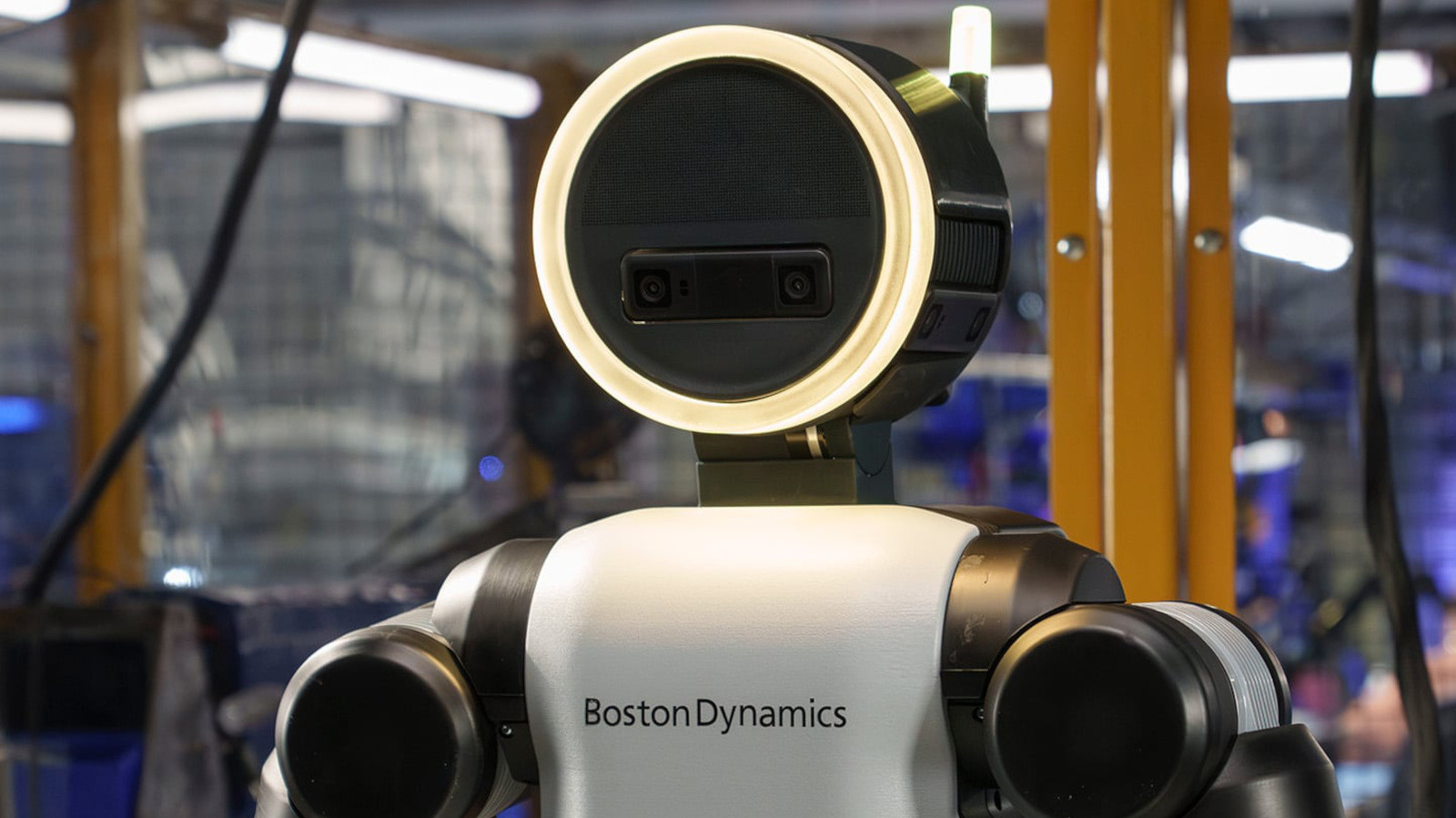
Hyundai reportedly looking to take total control of robotics giant Boston Dynamics
Engadget

Philippine Daily Inquirer
TechnologyJul 16, 2026 · 1 min
Phivolcs: Mayon Volcano spews fresh lava, ash on 192nd day of unrest
Philippine Daily Inquirer

Philippine Daily Inquirer
TechnologyJul 16, 2026 · 1 min
Firm closed over illegal recruitment; applicants pay up to P350K
Philippine Daily Inquirer

AllAfrica
TechnologyJul 16, 2026 · 1 min
Ghana: Three Granted Bail Over Disruption of NPP Constituency Election in Obuasi
AllAfrica