
Hacker Noon
Designing GPUs for Space: Beyond Radiation Hardening
Modern GPUs have become extraordinarily dense computational devices, packing tens of billions of transistors into packages measured in centimeters. They excel on Earth because they are designed around terrestrial assumptions: atmospheric pressure, convective cooling, relatively benign radiation environments, and manufacturing constraints optimized for commercial cost. Space changes every one of these assumptions, especially as we move from single unit protection to at scale ‘data-centers’ in space. As humanity expands computational infrastructure beyond Earth—whether aboard satellites, lunar installations, deep-space probes, or eventually orbital data centers and the challenges facing modern GPU architectures become increasingly governed not only by computer engineering, but also by materials science and fundamental physics. While radiation has long been recognized as a principal obstacle, other phenomena such as electromigration, thermal cycling, vacuum-induced material interactions, and long-term reliability deserve equal attention. This article is written in response to the rapidly increasing investment in space-based computational infrastructure, particularly as artificial intelligence continues to drive demand for high-performance compute beyond Earth. Governments, private space companies, and technology firms are collectively investing billions into orbital platforms, satellite constellations, and future off-world data centers intended to support everything from real-time analytics to autonomous systems. However, much of this momentum is focused on scaling capability rather than fully addressing the underlying physical realities of operating advanced semiconductor hardware in space. Many current approaches assume that terrestrial GPU architectures can be extended into orbit with incremental modifications, without fully accounting for the combined effects of radiation, electromigration, thermal cycling, and vacuum-induced material interactions over mission lifetimes measured in decades. This work outlines those challenges and proposes conceptual architectural directions that may better align future GPU and compute cluster design with the demands of long-duration, space-based operation. Problems 1. Radiation: The Primary Challenge for GPUs in Space Radiation is widely recognized as one of the greatest obstacles to operating modern commercial electronics beyond Earth's protective atmosphere. While GPUs are designed to tolerate the relatively low-radiation environment found on Earth, space exposes semiconductor devices to energetic particles capable of altering electrical states, damaging transistor structures, and gradually degrading entire integrated circuits. Unlike traditional environmental hazards such as heat or vibration, radiation often produces failures that are invisible until they manifest as corrupted calculations, unexpected crashes, or permanent hardware degradation. Understanding these mechanisms is essential for designing the next generation of space-capable high-performance computing. Solar Particle Events (SPEs) Solar Particle Events occur when the Sun releases bursts of high-energy protons and heavier ions during solar flares or coronal mass ejections. These particles can arrive within minutes to hours following an eruption and dramatically increase the local radiation environment surrounding spacecraft. Although relatively short-lived compared to the lifetime of a mission, Solar Particle Events can expose onboard electronics to radiation levels many orders of magnitude greater than normal operating conditions. For GPU hardware, these events increase the probability of: Memory bit flips Logic errors during computation Temporary system instability Accelerated cumulative radiation damage Because these events are episodic rather than continuous, future spacecraft may eventually adopt operational modes that reduce computational load or temporarily suspend sensitive workloads during periods of elevated solar activity. Galactic Cosmic Rays (GCRs) Unlike Solar Particle Events, Galactic Cosmic Rays originate outside our solar system and travel at relativistic velocities. They include high-energy protons, helium nuclei, and heavier ions capable of penetrating substantial amounts of shielding. Galactic Cosmic Rays present one of the most difficult radiation environments to mitigate because their enormous kinetic energies allow many particles to traverse conventional spacecraft shielding while still depositing energy inside semiconductor devices. Although individual interactions are relatively rare, each event has the potential to affect thousands or even millions of transistors simultaneously due to the extremely high transistor density found within modern GPUs. As semiconductor process nodes continue shrinking, the amount of electrical charge required to represent a digital "1" or "0" also decreases. Consequently, increasingly smaller energy deposits are capable of altering computational state. Single Event Upsets (SEUs) A Single Event Upset is among the most common radiation-induced failures affecting digital electronics. When an energetic charged particle passes through a transistor or memory cell, it deposits electrical charge along its path. If sufficient charge accumulates within a storage element, the device may incorrectly change state. Importantly, the hardware itself is not physically damaged, rather instead, the stored information changes unexpectedly. Examples include: A memory bit changing from 0 to 1 A register containing an incorrect value Incorrect arithmetic results Corrupted AI model weights loaded into memory Unexpected operating system crashes Silent computational errors that produce incorrect results without detection Because GPUs execute billions of operations per second across thousands of parallel processing elements, even infrequent Single Event Upsets may propagate through large computational workloads if left undetected. For scientific computing, autonomous spacecraft, medical imaging, or forensic analysis, silent computational corruption may be significantly more dangerous than an immediate hardware failure. Total Ionizing Dose (TID) Whereas Single Event Upsets are instantaneous, Total Ionizing Dose represents the cumulative damage produced by radiation exposure over time. Every energetic particle passing through a semiconductor leaves behind small amounts of trapped electrical charge inside insulating materials, particularly within the gate oxides that control modern MOSFET transistors. Over months or years, this trapped charge gradually alters transistor behavior. The cumulative effects include: Increased leakage current Higher power consumption Threshold voltage drift Reduced switching reliability Increased timing uncertainty Progressive degradation of overall device performance Unlike transient bit flips, Total Ionizing Dose damage is generally irreversible and accumulates throughout the operational lifetime of the hardware. Commercial GPUs are optimized for terrestrial lifetimes where cumulative radiation exposure remains relatively low. Long-duration missions beyond Earth's magnetic field expose devices to significantly larger doses, making long-term reliability a central architectural concern. Displacement Damage Some radiation particles possess sufficient energy to physically displace atoms from the semiconductor crystal lattice itself. Instead of merely depositing electrical charge, these particles knock silicon atoms out of their normal positions, creating microscopic defects within the crystal structure. These defects act as electrical traps that interfere with normal carrier transport throughout the transistor. Over time this may produce: Increased electrical resistance Higher leakage currents Reduced transistor performance Increased electrical noise Lower manufacturing margins Permanent reduction in device lifetime Unlike Single Event Upsets, displacement damage permanently alters the physical structure of the semiconductor. Once sufficient defects accumulate, no software correction mechanism can restore the original device characteristics. Why Commercial GPUs Are Particularly Vulnerable Modern GPUs represent one of the highest transistor-density computing devices ever manufactured. Current high-end accelerators integrate tens of billions of transistors onto a single silicon die while operating at extremely high frequencies and current densities. This remarkable computational capability also creates several vulnerabilities when operating in radiation-rich environments. Memory Corruption Graphics memory stores textures, neural network weights, simulation data, frame buffers, and intermediate computational results. A single radiation-induced bit flip can alter stored information without immediately triggering an obvious failure. Depending on where the corruption occurs, consequences may range from minor rendering artifacts to incorrect scientific calculations or corrupted AI inference. Error Correcting Code (ECC) memory substantially reduces this risk by detecting and correcting many single-bit errors before they propagate into applications. However, consumer GPUs often prioritize performance and cost over comprehensive memory protection. Logic Corruption Radiation does not only affect memory. Transient charge deposition inside logic circuitry can alter arithmetic operations, instruction decoding, control flow, or synchronization between thousands of parallel execution units. Unlike memory errors, logic corruption may produce incorrect computational results that leave no permanent evidence once execution continues. This phenomenon becomes increasingly important for deterministic computing applications where every numerical result must remain trustworthy. Latch-Up One of the more serious radiation-induced failures is Single Event Latch-Up. High-energy particles may unintentionally activate parasitic transistor structures that naturally exist within CMOS manufacturing processes. Although these parasitic structures remain electrically dormant during normal operation, a sufficiently energetic particle strike can inject enough charge to push the circuit into a self-sustaining positive feedback state. Much like other bistable systems found throughout nature and engineering, the circuit transitions from one stable operating condition into another unintended state, where each activated transistor reinforces the other until external intervention—typically removing power or triggering protective circuitry—breaks the feedback loop. The result is an unintended low-resistance current path capable of drawing extremely large currents. If power is not removed quickly, latch-up can lead to: Excessive heating Permanent device damage Localized destruction of circuitry Complete system failure Radiation-hardened electronics typically incorporate dedicated current monitoring and rapid shutdown circuitry specifically to detect and interrupt latch-up events before irreversible damage occurs. Permanent Transistor Degradation Perhaps the greatest challenge for long-duration missions is that radiation damage is cumulative. Years of exposure gradually modify transistor characteristics through ionization and crystal lattice damage. As degradation progresses, transistors may require more power to switch, leak increasing amounts of current, operate more slowly, and eventually fall outside their intended design specifications. Unlike terrestrial computing, where commercial hardware may be replaced every few years, spacecraft often rely upon the same electronics throughout missions lasting decades. Consequently, designing GPUs for space is not merely about surviving individual radiation events. It is equally about preserving predictable computational performance after years of continuous exposure to one of the harshest operating environments encountered by modern electronics. 2. Electromigration: When the Electrons Move the Metal Unlike radiation, which originates from the external space environment, electromigration is an internal failure mechanism produced by the normal operation of the GPU itself. Every calculation performed by the processor requires enormous numbers of electrons to travel through microscopic copper interconnects that distribute both power and data throughout the chip. Although an individual electron possesses very little momentum, modern GPUs operate at extraordinary current densities where trillions upon trillions of electrons move through conductors measuring only tens of nanometers in width. Over months or years of continuous operation, this relentless flow gradually transfers momentum into the copper lattice itself, encouraging atoms to migrate from their original positions and slowly altering the physical structure of the interconnect. This phenomenon is known as electromigration. Rather than simply flowing through stationary conductors, moving electrons repeatedly collide with the atoms that make up the copper interconnects. Each collision transfers an almost immeasurably small amount of momentum, but over billions of billions of interactions the cumulative effect becomes significant. Electromigration is therefore not caused by electrical current alone, nor by temperature in isolation. Instead, it emerges from the interaction of high current density, elevated temperature, and prolonged operating time. Heat increases atomic mobility while current provides a preferred direction for atomic movement, together producing a gradual redistribution of material throughout the conductor. As copper atoms slowly migrate, the interconnect begins losing its original uniform structure. Some regions become depleted as atoms move away, while others accumulate excess material carried by the continual flow of electrons. Initially these changes are invisible and produce little measurable effect, but over extended periods they begin modifying the geometry of the conductor itself. Because modern semiconductor fabrication is measured in nanometers, even the movement of relatively small numbers of atoms can meaningfully change the electrical characteristics of an interconnect. Where atoms leave the conductor, microscopic cavities known as voids begin forming. These voids reduce the effective cross-sectional area available to carry electrical current, forcing the remaining conductor to carry the same current through a progressively smaller pathway. As a result, the local current density increases, accelerating the very process that created the void in the first place. Electromigration therefore becomes a self-reinforcing wear mechanism in which atomic migration increases current density, increased current density accelerates further migration, and the degradation compounds over time. The opposite effect occurs where migrating copper atoms accumulate. Instead of forming voids, these regions develop microscopic protrusions known as hillocks. While voids threaten the integrity of the conductor by removing material, hillocks create risk by introducing excess material. If a hillock grows sufficiently large, it may extend far enough to contact an adjacent interconnect that was intended to remain electrically isolated, creating unintended electrical shorts, timing errors, or localized circuit failures. Electromigration can therefore produce permanent failures through both material depletion and material accumulation. Even before catastrophic failure occurs, these structural changes gradually alter the electrical properties of the GPU. As voids reduce the available conductive pathway and crystal defects accumulate throughout the interconnect, electrical resistance begins to rise. Increased resistance generates additional localized heating, higher temperatures accelerate atomic diffusion, and faster diffusion further increases the rate of electromigration. Much like several other failure mechanisms discussed throughout this article, electromigration evolves into a positive feedback cycle in which each stage naturally amplifies the next. Eventually the accumulated damage reaches a point where the interconnect can no longer function as originally designed. A sufficiently large void may completely sever the conductor, producing an open circuit, while excessive hillock growth may create a permanent short circuit between neighboring interconnects. At this stage the failure is no longer transient or recoverable through software correction. The physical structure of the processor itself has changed, permanently altering its electrical behavior. Although electromigration has existed since the earliest generations of integrated circuits, it has become increasingly significant as semiconductor manufacturing has advanced. Each new process generation reduces the dimensions of the metal interconnects while demand for computational performance continues increasing. The result is that progressively larger currents must travel through progressively smaller conductors, increasing the current density experienced by the material. Advances in copper metallurgy, barrier metals, interconnect engineering, and fabrication techniques have substantially improved device reliability, yet modern GPUs continue operating near remarkable power densities in pursuit of maximum performance. For terrestrial computing, this gradual aging process is often acceptable because hardware is routinely replaced every few years. Space systems operate under very different assumptions. Satellites, deep-space probes, orbital computing platforms, and lunar infrastructure may be expected to perform continuously for years or even decades without physical maintenance. In these environments, electromigration transitions from a long-term reliability concern into a primary architectural constraint. Designing future space-optimized GPUs will therefore require not only protection against the external hazards of radiation, but also strategies that actively manage the internal movement of matter itself, preserving the integrity of the processor over mission lifetimes measured in decades rather than consumer product cycles. 3. Cold Welding: When Vacuum Eliminates the Barrier Between Metals Unlike radiation and electromigration, cold welding is not primarily a failure of semiconductor physics or electron transport. Instead, it is a phenomenon rooted in materials science that emerges from one of the defining characteristics of space itself: the near absence of atmosphere. While metals on Earth are continually protected by thin layers of oxide, moisture, and other contaminants, the vacuum of space removes many of these natural barriers. If two sufficiently clean metallic surfaces are brought into intimate contact under the right conditions, their atoms may no longer distinguish where one piece of metal ends and the other begins. Rather than remaining separate components, the two surfaces can form direct metallic bonds, effectively becoming a single continuous piece of material without the application of heat. The term cold welding can be somewhat misleading because no melting occurs. Conventional welding joins materials by heating them until they liquefy before solidifying into a unified structure. Cold welding achieves a similar end result through an entirely different mechanism. Once oxide layers and contaminants are absent, atoms at each surface interact directly through metallic bonding, allowing the interface between the two components to gradually disappear at the atomic scale. At first glance, this raises an obvious question for modern semiconductor devices. If GPUs are constructed from intricate networks of copper interconnects measured in nanometers, could the same phenomenon occur within the processor itself? Fortunately, the answer is largely no. The microscopic metallic structures inside a modern GPU are not directly exposed to the vacuum environment. Copper interconnects remain encapsulated beneath multiple protective layers including dielectric materials, diffusion barriers, passivation coatings, and the surrounding semiconductor structure. These layers isolate neighboring conductors from one another while preventing direct metallic contact with external surfaces. Furthermore, the nanostructures within the processor are fabricated as continuous components rather than separate pieces of metal being repeatedly pressed together during operation. The conditions required for cold welding simply do not exist within the internal architecture of the chip. Instead, cold welding becomes a concern wherever separate metallic components must repeatedly contact one another in the vacuum of space. Mechanical connectors, docking hardware, removable compute modules, serviceable electronic assemblies, and mating electrical interfaces all contain metallic surfaces that may experience repeated engagement throughout the lifetime of a spacecraft. If these interfaces are insufficiently protected, prolonged contact under vacuum conditions may increase the likelihood of unwanted adhesion, making separation more difficult or, in extreme cases, permanently bonding components that were designed to remain removable. For future modular computing systems operating beyond Earth, this distinction becomes increasingly important. As spacecraft architectures evolve toward replaceable compute modules, robotic servicing, and in-orbit hardware upgrades, mechanical interfaces may become just as critical to long-term reliability as the processors they support. A GPU capable of operating flawlessly for decades provides little benefit if the connector or docking mechanism required to replace or upgrade it becomes permanently seized through material interactions at the interface. Fortunately, cold welding is also among the most well-understood space engineering challenges. Modern spacecraft routinely mitigate the phenomenon through careful material selection, protective surface coatings, controlled oxide layers, vacuum-compatible lubricants, ceramic interfaces, and connector geometries specifically designed to minimize intimate metallic contact. Rather than requiring fundamental changes to GPU architecture, cold welding primarily influences the design of the mechanical systems that support, connect, and service high-performance computing hardware in space. In this sense, cold welding illustrates an important distinction between materials problems and semiconductor problems. The processor itself may remain electrically healthy, its transistors operating exactly as designed, while the surrounding mechanical infrastructure gradually becomes the limiting factor for system reliability. As computing platforms become increasingly modular and serviceable beyond Earth, engineering the interfaces between components may prove just as important as engineering the components themselves. Proposed Solutions Radiation: A Layered Shielding Architecture for Space-Based GPU & GPU Clusters Radiation presents one of the most difficult engineering challenges for deploying commercial high-performance computing hardware beyond Earth. While no single shielding material is capable of stopping every form of ionizing radiation encountered in space, a systems engineering approach allows multiple layers to address different aspects of the radiation environment while simultaneously serving other functions aboard the spacecraft. Rather than treating the GPU as an isolated component requiring dedicated protection, future space-based computing platforms may benefit from integrating radiation shielding directly into the overall architecture of the spacecraft or orbital data center. Many of the materials already required for structural support, thermal management, and life support can also contribute to radiation attenuation, allowing a single system to perform multiple engineering roles. The conceptual architecture proposed here consists of a series of concentric protective layers surrounding the compute hardware. At the outermost level sits the spacecraft hull, providing structural integrity while serving as the first barrier against micrometeoroids, orbital debris, and lower-energy charged particles. Although the hull alone cannot prevent radiation-induced failures within modern semiconductor devices, it represents the first stage in reducing the particle flux reaching the computing systems. Beneath the structural hull, an aluminum shell provides additional mechanical protection and contributes modestly to radiation shielding. Aluminum has been used extensively throughout the aerospace industry because of its favorable strength-to-weight ratio and well-understood manufacturing characteristics. While aluminum is not particularly effective against every form of cosmic radiation, it forms a practical structural foundation for the remaining shielding layers. Inside the aluminum structure, a hydrogen-rich polyethylene layer provides one of the most effective passive barriers against energetic protons commonly encountered during solar particle events. Hydrogen-rich materials are particularly attractive because they reduce the production of secondary radiation that can occur when high-energy particles interact with denser metals. Rather than relying exclusively on heavy shielding, incorporating hydrogen-rich materials allows engineers to improve protection while minimizing unnecessary spacecraft mass. Surrounding the compute modules themselves is a water or liquid coolant jacket that serves multiple engineering functions simultaneously. Water is already carried aboard crewed spacecraft to support life support systems, thermal regulation, and operational needs. Rather than existing solely as consumable cargo, portions of this water inventory could potentially be incorporated into the physical layout of space-based computing infrastructure, allowing the same material to contribute to radiation shielding while simultaneously participating in thermal management. The final interface surrounding each GPU consists of conventional thermal interface materials designed to efficiently transfer heat into the spacecraft's cooling system. While these materials provide little meaningful radiation protection on their own, they ensure that computational heat is removed efficiently without compromising the integrity of the surrounding shielding architecture. At the center of this layered system resides the GPU core, operating within an environment that has been engineered to reduce radiation exposure while maintaining stable operating temperatures and long-term reliability. The significance of this architecture lies not in any individual shielding layer, but in the integration of multiple engineering disciplines into a unified system. Rather than viewing structural materials, cooling systems, radiation shielding, and life support as independent subsystems competing for spacecraft mass, each component contributes simultaneously to multiple mission objectives. Water illustrates this philosophy particularly well. Every kilogram of water launched into space represents valuable mass that spacecraft already require for operational reasons. If portions of that inventory can also function as radiation shielding surrounding high-performance computing clusters, the same material simultaneously provides radiation attenuation, thermal regulation, heat capacity, and integration with life support infrastructure. Instead of carrying dedicated shielding in addition to coolant and water reserves, future spacecraft architectures may be able to leverage multifunctional materials that improve overall system efficiency. This concept becomes even more compelling when considering groups of GPUs rather than individual processors. Future orbital data centers, lunar computing facilities, or deep-space artificial intelligence platforms will likely consist of densely packed compute clusters rather than isolated accelerator cards. In these environments, shielding can be designed around the entire compute enclosure instead of every individual GPU, reducing complexity while improving mass efficiency. One possible architecture is to organize GPU servers into modular compute racks surrounded by shared shielding layers, allowing coolant channels, hydrogen-rich materials, and structural components to protect dozens or even hundreds of processors simultaneously. Such an approach resembles terrestrial data center design, where cooling, power distribution, and environmental control are managed at the rack or facility level rather than individually for every processor. Extending this philosophy into space suggests that radiation shielding itself may eventually become an infrastructure-level service rather than a component-level feature. Beyond passive shielding, future orbital data centers could incorporate radiation monitoring systems capable of dynamically adjusting workload placement based on local radiation conditions. During periods of elevated solar activity, critical computational workloads could be migrated toward the most heavily shielded portions of the facility, while non-critical processing is deferred or redistributed. Such adaptive resource management would complement the physical shielding architecture, combining software intelligence with systems engineering to improve long-term computational resilience. It is important to emphasize that this architecture should be viewed as a conceptual systems engineering proposal rather than a validated spacecraft design. The effectiveness of each shielding layer depends on mission profile, particle energy spectrum, spacecraft geometry, thermal constraints, mass limitations, and numerous other engineering considerations that require rigorous simulation and experimental validation. Nevertheless, the concept illustrates how future space computing platforms may move beyond treating radiation shielding as an isolated engineering problem and instead integrate structural engineering, thermal management, materials science, and computational architecture into a unified design philosophy. Electromigration Proposed Architectural Direction Electromigration: Toward Self-Aware Interconnect Management Unlike radiation, which originates from the external environment, electromigration is a consequence of the GPU's own operation. This distinction suggests that mitigation strategies need not rely exclusively on stronger materials or improved manufacturing processes. Instead, future space-based computing systems may benefit from architectures that actively monitor, predict, and manage their own long-term degradation while remaining in service. Today's GPUs already monitor numerous operational characteristics including temperature, voltage, clock frequency, power consumption, and fan speed. Extending this philosophy toward long-duration space computing raises an intriguing possibility: rather than simply monitoring the health of the processor, future GPUs could continuously estimate the health of their own interconnect network and adapt their operation to maximize operational lifetime. One possible approach is dynamic current-density balancing. Rather than repeatedly utilizing the same execution units for identical workloads, scheduling algorithms could intentionally distribute computational demand across multiple regions of the processor. By reducing the amount of time any individual portion of the chip experiences sustained peak current densities, localized wear could be distributed more uniformly across the device. Although the total computational work remains unchanged, balancing the workload may reduce the formation of localized electromigration hotspots. This concept naturally extends into AI-assisted workload distribution. Future runtime systems could continuously analyze utilization, power consumption, thermal gradients, and estimated interconnect stress while intelligently assigning workloads to regions of the GPU experiencing the lowest predicted long-term degradation. Instead of optimizing exclusively for throughput or latency, scheduling algorithms could introduce hardware longevity as another optimization objective. Thermal management also presents an opportunity for active mitigation. Since elevated temperatures significantly accelerate atomic diffusion, future GPU clusters may periodically redistribute workloads between processors or compute modules based on measured thermal history rather than instantaneous utilization alone. Rather than allowing one accelerator to operate continuously at elevated temperatures while neighboring units remain comparatively idle, computational workloads could rotate between multiple GPUs, allowing previously active devices to cool while secondary units assume processing responsibilities. This rotational scheduling philosophy distributes cumulative thermal stress throughout the compute cluster, potentially reducing localized electromigration while extending the operational lifetime of the entire system. Within individual processors, adaptive clock and voltage management could evolve beyond today's performance-oriented boost algorithms. Rather than increasing clock frequency whenever thermal headroom exists, future controllers could incorporate estimated interconnect stress into their operating decisions. Regions experiencing prolonged high current density could temporarily reduce clock frequency or operating voltage, lowering electrical stress until conditions return to acceptable levels. Such adjustments would represent a shift from maximizing instantaneous performance toward maximizing lifetime computational throughput across years or decades of operation. These adaptive systems become considerably more powerful when combined with predictive wear modeling. Using manufacturing characterization data, operational telemetry, and accumulated workload history, the GPU could estimate the remaining lifetime of critical interconnect regions before failures occur. Instead of reacting to degradation after performance begins declining, the system could proactively redistribute workloads, adjust operating parameters, or migrate applications to redundant compute modules well before permanent damage develops. Future processors may also integrate real-time electromigration monitoring, continuously observing indicators that correlate with interconnect aging. Small changes in localized resistance, timing margins, leakage current, or thermal behavior may provide early warning that specific regions of the processor are experiencing accelerated degradation. While direct observation of atomic migration remains impractical during operation, these indirect measurements could allow increasingly sophisticated estimates of long-term hardware health. Materials science will remain equally important. Continued development of improved barrier metals, alternative diffusion barriers, cobalt or ruthenium interconnect technologies, and entirely new conductor materials may significantly reduce atomic migration compared to conventional copper alone. Advances in semiconductor fabrication will undoubtedly continue improving intrinsic device reliability, but combining improved materials with adaptive system intelligence may ultimately provide greater benefits than either approach independently. Taken together, these concepts suggest a future in which GPUs no longer operate as passive computational devices that gradually wear until failure. Instead, they become self-monitoring computational systems capable of estimating their own aging, dynamically balancing internal stress, adapting operating parameters, and coordinating workload distribution across entire compute clusters to preserve long-term reliability. For terrestrial consumer hardware, such sophistication may provide only marginal practical benefit because components are typically replaced every few years. For orbital data centers, deep-space probes, lunar infrastructure, or autonomous spacecraft expected to operate continuously for decades without physical maintenance, however, the ability to intelligently manage hardware aging may become as valuable as improvements in raw computational performance itself. In these environments, future GPU architectures may not simply execute computations. They may actively manage their own lifespan while doing so. Thermal cycling Another potential architectural approach involves distributing thermal stress across an entire compute cluster rather than allowing individual GPUs to accumulate years of continuous high-temperature operation. Modern GPU clusters often contain many accelerators operating in parallel, yet workloads are not always distributed with long-term hardware aging in mind. Future space-based computing platforms could instead monitor the thermal history of every processor and periodically migrate workloads to secondary compute units once predefined thermal or cumulative operating thresholds are reached. Rather than allowing a single GPU to remain the hottest device within the cluster for extended periods, computational demand would rotate between available accelerators, giving previously active units time to cool while reducing sustained exposure to the temperatures that accelerate electromigration. The objective would not necessarily be to minimize instantaneous temperature, but rather to equalize cumulative thermal exposure across the entire cluster over months or years of continuous operation. Extending this concept further, future orbital data centers could implement what might be described as thermal wear leveling. Similar to the wear-leveling algorithms used in solid-state storage devices, the cluster would continuously monitor temperature, current density, cumulative operating hours, and estimated interconnect degradation for every GPU. Instead of scheduling work solely according to availability or performance, the resource scheduler would incorporate predicted hardware aging into its decision-making process. As individual processors accumulate thermal stress, workloads would gradually migrate toward cooler or less-utilized accelerators, balancing wear across the entire computing infrastructure. Although this approach may introduce a small reduction in peak computational throughput, it could significantly increase the useful operational lifetime of large GPU clusters deployed in environments where maintenance or hardware replacement is impractical. Cold Welding Proposed Architectural Direction Cold Welding: Engineering the Interface Rather Than the Processor Unlike radiation and electromigration, cold welding is not a failure mechanism that requires fundamental changes to transistor architecture or semiconductor manufacturing. Instead, it is primarily an engineering challenge involving the mechanical interfaces surrounding the computing hardware. As future space-based computing systems become increasingly modular, serviceable, and upgradeable, preventing unintended bonding between metallic components may become an important consideration for the overall reliability of orbital computing infrastructure. Because cold welding requires intimate contact between clean metallic surfaces, the most effective mitigation strategy is to prevent those conditions from occurring in the first place. Rather than relying upon a single protective technology, spacecraft have historically addressed cold welding through a combination of material selection, surface engineering, mechanical design, and environmental control. Applying these same principles to future GPU clusters offers a practical path toward minimizing the likelihood of unwanted metallic bonding throughout the operational lifetime of the system. One of the most effective approaches begins with careful material selection. Certain combinations of metals exhibit significantly lower tendencies toward cold welding than others, allowing engineers to design mechanical interfaces that naturally resist adhesion even after prolonged exposure to vacuum. Where practical, direct contact between similar bare metals can be minimized in favor of material pairings with more favorable tribological characteristics. Surface coatings provide another important layer of protection by preventing direct metal-to-metal contact. Thin engineered coatings can act as sacrificial barriers between mating components while preserving the electrical or mechanical performance of the interface. Even coatings only a few micrometers thick may substantially reduce the probability of atomic bonding developing between contact surfaces. Among these coatings, gold plating has long been used throughout aerospace electronics because of its excellent corrosion resistance, electrical conductivity, and stable surface characteristics. Although gold itself is not immune to adhesion under all conditions, carefully engineered gold-plated connectors have demonstrated excellent long-term performance in spacecraft electrical interfaces when combined with appropriate mechanical design. In locations where electrical conductivity is unnecessary, ceramic components offer another attractive solution. Because ceramics do not form metallic bonds in the same manner as conductive metals, they can provide robust mechanical isolation while simultaneously offering exceptional thermal stability and resistance to the harsh environmental conditions encountered in space. Mechanical design itself can also reduce the likelihood of cold welding. By introducing mechanical isolation between critical interfaces, engineers can minimize sustained compressive forces and reduce the amount of intimate surface contact occurring between mating components. Similarly, carefully engineered connector geometries can ensure that only limited contact areas experience mechanical loading while allowing controlled separation during servicing or replacement operations. Another effective strategy involves intentionally preserving or engineering protective oxide layers on selected metallic surfaces. Although oxide formation is often viewed as undesirable in terrestrial electronics, these thin surface films act as natural barriers that prevent direct atomic contact between metallic substrates. In many cases, maintaining this microscopic separation is sufficient to eliminate the conditions necessary for cold welding. Where moving mechanical assemblies are required, vacuum-compatible lubricants provide an additional level of protection. Conventional lubricants used on Earth often evaporate or degrade in vacuum environments, making them unsuitable for long-duration spacecraft. Specialized dry lubricants and vacuum-rated solid lubricant coatings have therefore become standard solutions for bearings, hinges, deployment mechanisms, and other moving assemblies intended to operate reliably over many years in space. Collectively, these approaches illustrate that cold welding is largely a packaging and mechanical systems problem rather than a transistor problem. The internal semiconductor structures of the GPU remain largely unaffected because the metallic interconnects are permanently encapsulated beneath multiple protective layers and are never exposed as independent mating surfaces. Instead, the engineering challenge lies in designing the surrounding infrastructure, including removable compute modules, connector systems, docking interfaces, service mechanisms, and structural assemblies, so that they continue operating reliably after years or decades in the vacuum of space. As orbital computing platforms evolve toward increasingly modular architectures, mechanical reliability may become just as important as computational performance. A GPU capable of operating flawlessly for decades provides limited value if the connector required to replace, upgrade, or service that processor can no longer be separated without damaging the surrounding hardware. Future space-based computing systems will therefore require not only resilient electronics, but equally resilient mechanical interfaces designed specifically for operation beyond Earth's atmosphere. Materials Problems vs Physics Problems Materials Problems vs Physics Problems One of the most useful ways to understand the engineering challenges facing space-based computing is to recognize that not every failure mechanism originates from the same domain. Although many reliability issues ultimately result in hardware failure, the underlying causes can differ significantly. Some originate from the physical behavior of materials themselves, while others arise from the movement of electrons within otherwise intact semiconductor devices. Distinguishing between these categories provides a useful framework for understanding why different problems require fundamentally different engineering solutions. Materials Problems Materials problems originate from the physical properties of the substances used to construct the computing hardware. These failure mechanisms involve the movement of atoms, changes in crystal structure, degradation of interfaces, mechanical stresses, or chemical reactions that gradually alter the physical integrity of the system. In most cases, the hardware itself is physically changing over time. Radiation-induced displacement damage, for example, physically dislodges atoms from the semiconductor lattice, permanently modifying the crystal structure of the device. Thermal fatigue repeatedly expands and contracts materials during heating and cooling cycles, eventually producing microscopic cracks that grow throughout years of operation. Similar cyclic stresses can produce solder fatigue, where repeated thermal expansion gradually weakens solder joints until electrical connections fail. Packaging materials may also degrade over extended missions as adhesives, encapsulants, and interface materials slowly age under the combined effects of radiation, vacuum, and thermal cycling. Cold welding represents another materials-driven phenomenon, occurring when clean metallic surfaces form direct atomic bonds in vacuum environments. Likewise, oxidation, corrosion, and structural fatigue all arise from changes occurring within the physical materials themselves rather than the electrical operation of the processor. Whether atoms are migrating, crystal lattices are deforming, interfaces are separating, or structural members are accumulating fatigue, the underlying challenge remains fundamentally one of materials science. Because these mechanisms involve permanent physical changes, mitigation typically focuses on material selection, structural design, protective coatings, improved packaging, environmental control, and mechanical engineering. Once the material itself has changed sufficiently, software alone cannot restore the original characteristics of the hardware. Physics Problems Physics problems, by contrast, originate primarily from the behavior of electrons within functioning semiconductor devices. The materials themselves may initially remain structurally intact, yet the electrical behavior occurring inside those materials produces reliability challenges that become increasingly important as transistor dimensions continue shrinking. Electromigration illustrates this distinction particularly well. Although its long-term consequence is the movement of metal atoms, the driving force originates from electron momentum transfer produced by extremely high current densities. Similarly, electron scattering influences carrier mobility throughout semiconductor devices, directly affecting performance and power consumption without necessarily indicating immediate structural damage. Other phenomena operate entirely within the electrical domain. Leakage currents allow unintended charge to flow through transistors even when they are intended to remain off, increasing power consumption and reducing efficiency. As manufacturing processes continue approaching atomic dimensions, quantum tunneling allows electrons to traverse insulating barriers that would have been impenetrable at larger process nodes. Charge trapping within insulating oxides gradually alters transistor threshold voltages, affecting switching behavior long before visible structural degradation occurs. Radiation also introduces several primarily electrical failure mechanisms. Single Event Upsets and other soft errors temporarily alter stored information without physically damaging the hardware, while signal integrity challenges arise as higher frequencies, lower voltages, and increasingly dense interconnects make electrical noise, timing margins, and electromagnetic coupling progressively more significant. Mitigating these problems generally requires different approaches than those used for materials degradation. Error correction, adaptive voltage management, improved circuit architecture, workload scheduling, predictive monitoring, shielding, redundancy, and fault-tolerant software all become important tools for maintaining reliable computation despite increasingly complex electrical behavior. Two Disciplines, One Engineering Challenge Although separating these failure mechanisms into materials science and semiconductor physics provides a useful conceptual framework, the two domains are rarely independent. Elevated temperatures accelerate both thermal fatigue and electromigration. Radiation simultaneously produces structural damage within the crystal lattice while also generating transient electrical faults. Mechanical stresses can alter electrical performance, just as electrical current can gradually reshape the materials carrying it. Future space-based GPU architectures will therefore require expertise across multiple engineering disciplines. Materials scientists, semiconductor physicists, computer architects, thermal engineers, and aerospace engineers will all contribute to building computing platforms capable of operating reliably for years or decades beyond Earth. Rather than viewing reliability as a single engineering problem, it is more accurately understood as the interaction of multiple physical phenomena operating simultaneously across vastly different scales, from the movement of individual electrons to the long-term evolution of entire structural assemblies. Toward a Space-Optimized GPU For decades, GPU development has largely focused on increasing computational performance through higher transistor densities, greater parallelism, faster memory systems, and improved manufacturing processes. Reliability has certainly remained an important consideration, but commercial hardware has traditionally been designed around assumptions that are fundamentally terrestrial. Hardware is expected to operate within relatively controlled environments, replacement components are readily available, and failures can often be addressed by repairing or replacing the affected system. Space fundamentally changes these assumptions. A GPU deployed aboard an orbital data center, lunar research station, or deep-space spacecraft may be expected to operate continuously for years or even decades without direct human intervention. Under these conditions, reliability is no longer simply a characteristic of the hardware. It becomes an active component of the overall computational architecture. Rather than relying exclusively on stronger materials or incremental improvements in semiconductor fabrication, future space-optimized GPUs may evolve toward architectures that continuously monitor their own health, adapt to changing environmental conditions, and intelligently manage their own degradation throughout their operational lifetime. One of the most obvious developments would be the integration of radiation shielding directly into the compute architecture rather than treating shielding as an external spacecraft subsystem. Instead of surrounding individual processors with dedicated protective materials, compute clusters could be positioned within shared shielding structures that combine spacecraft hulls, hydrogen-rich polymers, coolant reservoirs, structural elements, and thermal management systems into a unified protective environment. Such an approach transforms radiation protection from a component-level solution into an infrastructure-level design philosophy. Memory reliability will likely continue evolving as well. While many modern data center GPUs already incorporate Error Correcting Code memory, future space-based systems may extend this philosophy into distributed ECC architectures capable of protecting not only external memory but internal caches, interconnect buffers, communication links, and distributed storage throughout entire compute clusters. Rather than correcting isolated memory errors, future systems may continuously validate computational integrity across multiple layers of the architecture. Computation itself may become increasingly fault tolerant. Rather than assuming every execution unit always produces correct results, future GPUs could execute critical workloads redundantly across multiple compute units before comparing outputs to identify transient radiation-induced errors. Less critical workloads could employ lightweight verification techniques while mission-critical calculations receive progressively stronger redundancy depending upon operational requirements. Autonomous recovery may also become a defining architectural feature. Instead of requiring external intervention after hardware faults occur, future processors could continuously detect abnormal operating conditions, isolate damaged execution units, reroute workloads around failed hardware, restart corrupted computational tasks, and dynamically reconfigure available resources while remaining fully operational. Such capabilities already exist in limited forms within enterprise computing infrastructure, but long-duration space missions may require significantly greater levels of autonomy. Adaptive power management represents another opportunity for architectural evolution. Rather than controlling voltage and clock frequency exclusively for thermal or performance optimization, future controllers may incorporate estimates of cumulative hardware stress into their decision making. Operating voltage, clock frequency, and workload placement could all be adjusted according to predicted long-term reliability, balancing computational performance against expected hardware lifetime. Perhaps one of the most significant advancements would be predictive lifetime estimation. Instead of treating hardware aging as an unavoidable consequence of operation, future GPUs may continuously estimate the health of critical components using operational telemetry collected throughout the lifetime of the processor. Measurements such as cumulative thermal exposure, current density, leakage current, localized resistance changes, radiation exposure, and execution history could feed predictive models that estimate remaining useful life for different portions of the processor long before failures occur. Future space computing infrastructure may also adopt increasingly modular compute architectures. Rather than constructing monolithic systems intended to operate unchanged throughout an entire mission, orbital data centers could consist of standardized replaceable compute modules capable of robotic replacement or expansion as technology evolves. Such architectures separate computational capability from the surrounding spacecraft, allowing future missions to upgrade processing capacity without redesigning the entire platform. Scheduling algorithms themselves may become increasingly aware of the surrounding environment. During periods of elevated solar activity, radiation-aware scheduling could migrate critical computational workloads toward the most heavily shielded regions of the spacecraft while delaying less time-sensitive processing until environmental conditions improve. Instead of treating radiation purely as an engineering constraint, future computing systems may actively respond to changing space weather as part of routine computational resource management. Similarly, wear-aware workload balancing may become a standard feature of long-duration compute clusters. By continuously monitoring thermal history, current density, operating hours, and estimated interconnect degradation, future schedulers could distribute computational workloads across multiple processors in ways that intentionally equalize long-term hardware wear. Rather than allowing individual GPUs to accumulate years of continuous thermal stress while neighboring accelerators remain lightly utilized, workloads could rotate throughout the cluster, balancing cumulative aging across the entire computing infrastructure. Much like wear-leveling algorithms transformed the longevity of solid-state storage devices, similar principles may eventually allow orbital GPU clusters to maximize operational lifetime without requiring additional hardware. Taken together, these concepts suggest a shift in how computational hardware itself is designed. Today's GPUs largely assume that the surrounding environment will provide stable operating conditions while external systems manage reliability. Future space-based architectures may instead incorporate resilience directly into the processor, allowing the hardware to actively participate in preserving its own operational lifetime. Reliability would no longer be treated as something external to computation. Instead, resilience itself would become a first-class computational feature, influencing scheduling decisions, workload placement, power management, fault recovery, and long-term resource allocation throughout the lifetime of the mission. Such an evolution represents more than incremental engineering improvements. It suggests a future in which GPUs become self-aware computational infrastructure, capable not only of executing artificial intelligence workloads, but also of continuously managing their own health, adapting to the harsh realities of space, and maximizing their usefulness throughout missions measured not in months, but in decades. Summary Challenge Root Cause Primary Effect Possible Mitigation Radiation High-energy particles Bit flips, transistor damage Water/polyethylene shielding, ECC, redundancy Electromigration Electron momentum Interconnect degradation Adaptive current management, wear monitoring Cold Welding Vacuum metal bonding Mechanical interface seizure Coatings, isolation, material selection Thermal Cycling Expansion/contraction Fatigue, solder failure Stable thermal control, compliant materials Although each of these challenges originates from a different physical mechanism, they share a common characteristic: none can be solved through a single engineering improvement. Radiation shielding alone cannot prevent electromigration, just as stronger interconnect materials cannot eliminate cold welding or thermal fatigue. Instead, long-duration space computing will likely require a holistic systems engineering approach in which semiconductor design, materials science, thermal engineering, mechanical engineering, software architecture, and spacecraft design all contribute to overall system reliability. Perhaps the most important conclusion is that future space-based GPU architectures should not simply aim to survive the space environment, but instead actively adapt to it. Rather than viewing reliability as a passive property of hardware, future computing platforms may continuously monitor their own health, redistribute workloads, manage thermal exposure, estimate remaining hardware lifetime, recover from transient faults, and intelligently balance wear across entire compute clusters. In doing so, resilience becomes an integral part of the computational architecture itself, enabling orbital data centers, lunar installations, and deep-space missions to maintain reliable high-performance computing over operational lifetimes measured in decades rather than years. This shift from reactive protection to proactive adaptation may ultimately prove just as significant as advances in semiconductor performance, redefining how future computing systems are designed for environments beyond Earth. Conclusion The future of space-based computing will likely require a level of interdisciplinary collaboration unlike anything seen in the evolution of terrestrial high-performance computing. Semiconductor engineers, computer architects, materials scientists, physicists, aerospace engineers, thermal engineers, and software developers will all play critical roles in designing computing platforms capable of operating reliably in environments where maintenance may be impossible and hardware is expected to remain operational for years or even decades. As GPUs transition from devices intended primarily for terrestrial gaming, artificial intelligence, and scientific computing into critical infrastructure supporting autonomous spacecraft, orbital manufacturing, lunar habitats, deep-space exploration, and eventually space-based data centers, traditional design priorities may begin to evolve. Computational performance will undoubtedly remain essential, but performance alone becomes less valuable if the underlying hardware cannot survive the environment in which it operates. In these settings, resilience, maintainability, fault tolerance, and operational longevity may become design objectives equal in importance to throughput, power efficiency, and transistor density. Many of the concepts presented throughout this article remain conceptual and would require rigorous experimental validation, simulation, and engineering analysis before they could be incorporated into future spacecraft or commercial computing platforms. Concepts such as layered multifunctional shielding, thermal wear leveling, predictive lifetime estimation, autonomous hardware health management, and self-aware workload scheduling should be viewed as architectural directions rather than validated engineering solutions. Their purpose is not to present a finished spacecraft design, but to encourage discussion about how high-performance computing architectures may evolve as humanity expands beyond Earth. History has repeatedly demonstrated that major advances in computing often begin by questioning assumptions that were once considered fundamental. Vacuum tubes gave way to transistors. Single-core processors evolved into massively parallel GPUs. Cloud computing transformed assumptions about where computation occurs. As computing increasingly moves into orbit and beyond, it is reasonable to ask whether today's GPU architectures, designed for terrestrial environments, will remain sufficient for the demands of long-duration space operations. Perhaps the most important shift is philosophical rather than technological. Rather than designing hardware that merely survives space, future computing systems may ultimately be designed to understand, monitor, and adapt to it. They may actively manage their own thermal history, balance cumulative wear across thousands of processors, respond intelligently to changing radiation environments, predict component aging before failures occur, and integrate seamlessly into spacecraft whose structural, thermal, and life support systems contribute directly to computational resilience. Designing GPUs specifically for space is therefore more than a semiconductor challenge. It is a systems engineering challenge that exists at the intersection of computer architecture, materials science, aerospace engineering, and applied physics. As humanity moves toward permanent infrastructure beyond Earth, the computers enabling that future may need to evolve just as dramatically as the spacecraft carrying them. The next generation of high-performance computing may not simply be faster than today's systems. It may be fundamentally designed for an environment where resilience itself becomes one of the most important measures of performance.
View original source — Hacker Noon ↗
Related stories
Engadget
TechnologyJul 16, 2026 · 1 min
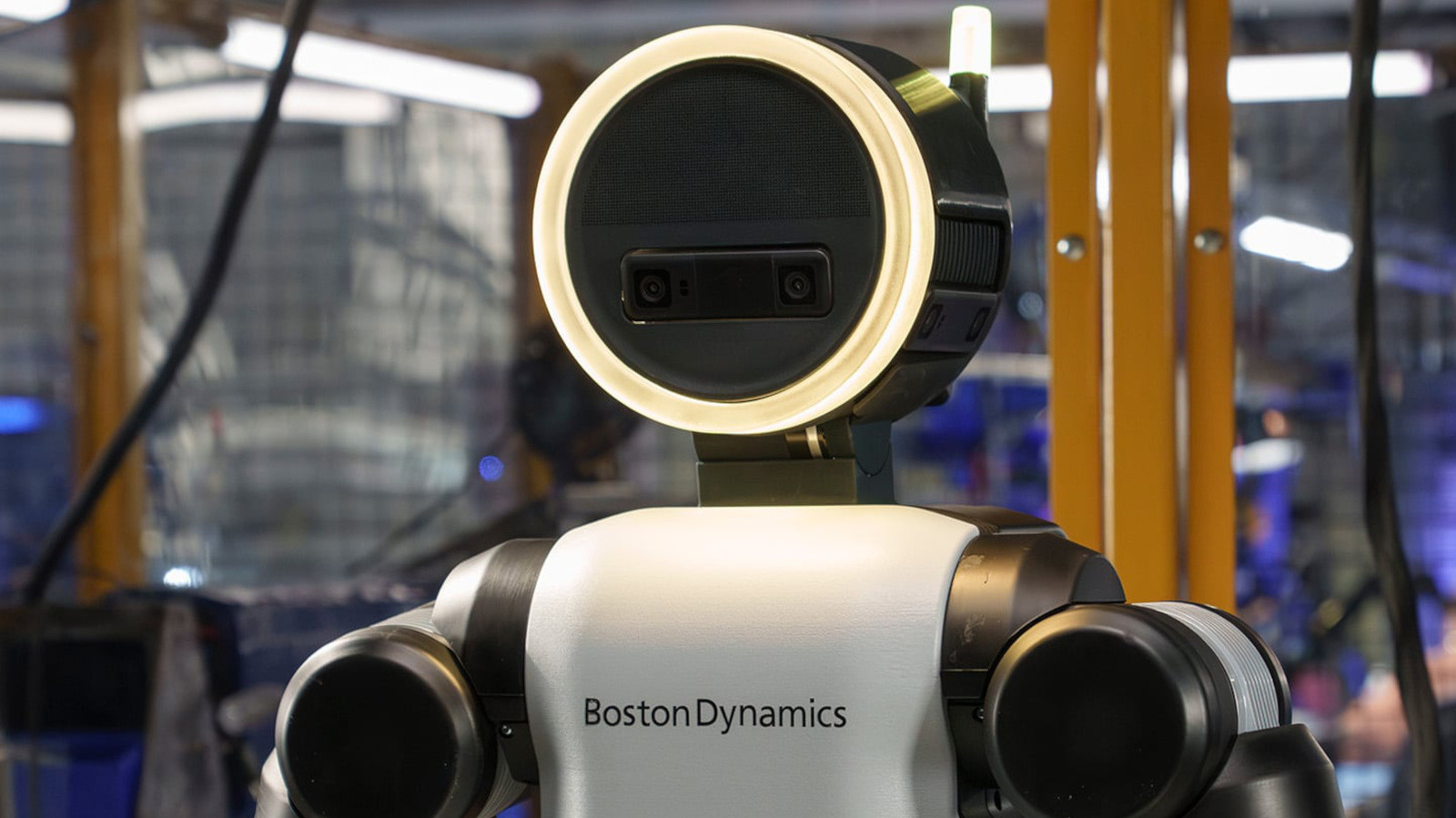
Hyundai reportedly looking to take total control of robotics giant Boston Dynamics
Engadget

Philippine Daily Inquirer
TechnologyJul 16, 2026 · 1 min
Phivolcs: Mayon Volcano spews fresh lava, ash on 192nd day of unrest
Philippine Daily Inquirer

Philippine Daily Inquirer
TechnologyJul 16, 2026 · 1 min
Firm closed over illegal recruitment; applicants pay up to P350K
Philippine Daily Inquirer

AllAfrica
TechnologyJul 16, 2026 · 1 min
Ghana: Three Granted Bail Over Disruption of NPP Constituency Election in Obuasi
AllAfrica