Indian Express
Dubai job crisis: How the Iran war is hitting Indian and migrant workers
News
World
Dubai job crisis: How the Iran war is hitting Indian and migrant workers
Months after the Iran war reached the Gulf, migrant workers in Dubai say jobs have vanished, pay has dropped, and finding new work has become hard.
4 min readJul 18, 2026 11:25 AM IST
First published on: Jul 18, 2026 at 10:15 AM IST
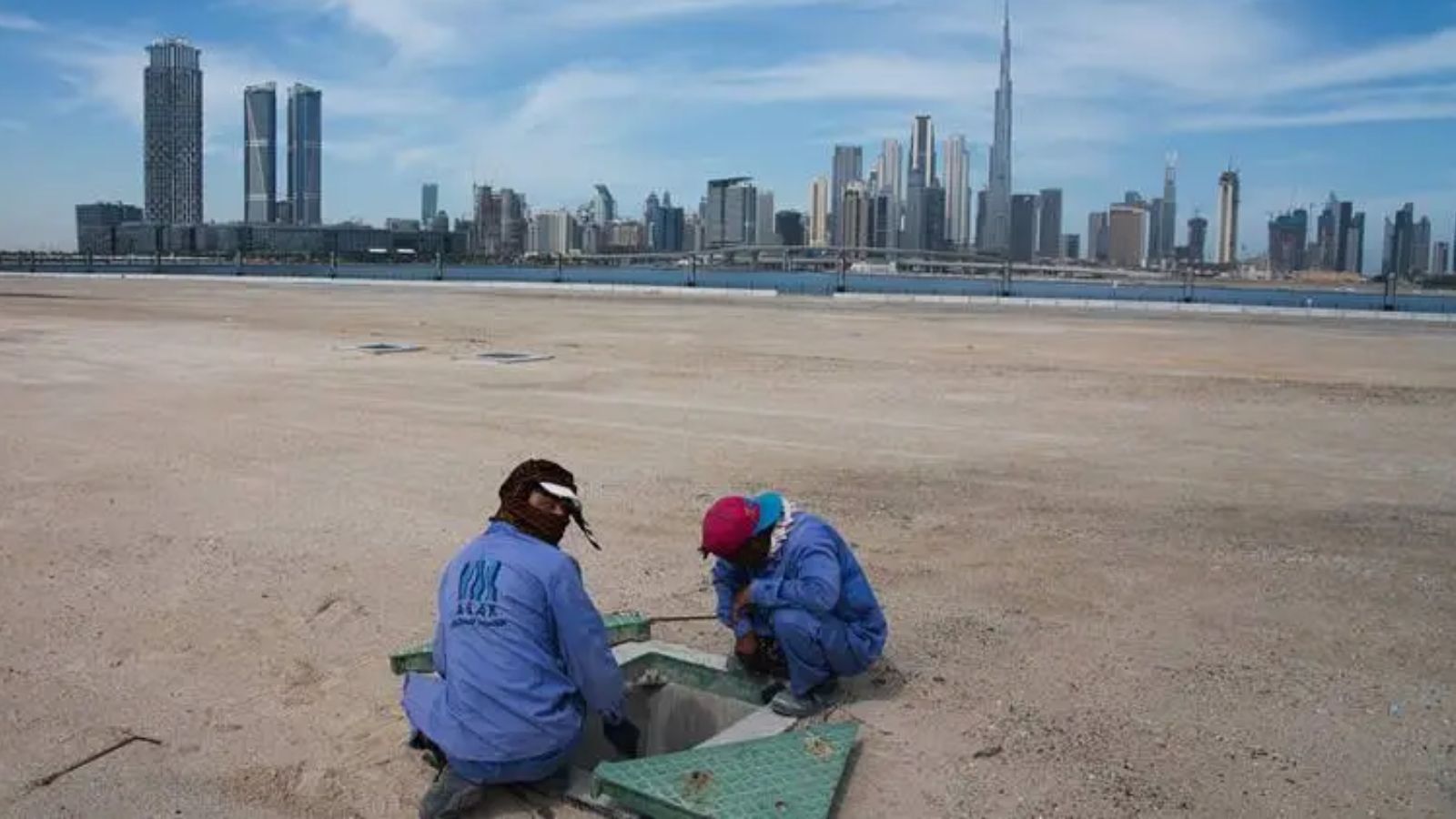
Months after the US-Israel war with Iran spread across the Gulf, workers say jobs have disappeared. (File Photo)
For thousands of migrant workers, Dubai isn’t delivering on its promise anymore. It’s been months since the US-Israel war with Iran spilled into the Gulf, and people are still feeling it jobs gone, paychecks smaller, and almost nothing new to apply for.
The conflict, which saw Iranian missiles and drones hit the UAE, slowed tourism, aviation, and businesses that depend on foreign visitors. UAE officials call the slowdown temporary, but many workers describe a different reality, according to The New York Times.
How are workers finding or losing jobs?
Filipina domestic worker Joy Vivanda starts each day walking through Dubai in the heat, checking notice boards and asking strangers if they need help at home. She lost her job in March, when the family she worked for left Dubai during the conflict and did not return. She has been searching for four months without success. Going home to the Philippines is not an option, since she supports four children on her Dubai income. Migrant workers in several neighborhoods report similar days, going door to door with resumes.
Indian accountant Mujeeb Rahman lost his job after the catering company he worked for ran out of business. “There is simply no business,” he said. “The company does not have enough cash flow to pay employees and suppliers.” He said many companies have stopped hiring.
A ManpowerGroup survey of 546 UAE employers found that one in four plans to cut jobs in the third quarter of 2026, and nearly a third have no hiring plans at all.
Story continues below this ad
Are workers who kept their jobs earning less?
Yes. Egyptian saleswoman Zekra Elsa said tourist visits dropped sharply during the conflict, cutting into sales at the retail kiosk where she works. Her employer moved her from a fixed salary to commission, and her daily sales now often stay under $150.
Welder Yanick Obi, from Cameroon, still reports to work each day, but says maintenance contracts have dried up. “I go to work every day,” he said, “but there is no work.”
How is the government responding?
The UAE has rolled out support packages worth more than $680 million to help businesses through the slowdown. Economy and Tourism Minister Abdulla Bin Touq al-Marri called the war’s impact a temporary “glitch” in an April interview, pointing to the country’s “agility” and “resilience.” Dubai Investments CEO Khalid Jassim Mohamed bin Kalban also expects a quick recovery, noting there’s no sign of people or businesses leaving.
But for workers who send money home, the impact reaches further. Indian hotel housekeeper Venkat lost his job and returned home in April; his Dubai income had covered his children’s school fees. “I am doing whatever I can to manage,” he said. “If I cannot come back to Dubai, my children’s future is at stake.”
Story continues below this ad
A brief ceasefire had raised hopes of recovery, but renewed strikes between the US and Iran have kept the uncertainty going. For workers like Vivanda, hope is what’s keeping them in Dubai as they wait for things to improve.
The Express Global Desk at indianexpress.com which delivers authoritative, verified, and context-driven coverage of key international developments shaping global politics, policy, and migration trends. The desk focuses on stories with direct relevance for Indian and global audiences, combining breaking news with in-depth explainers and analysis.
A major focus area of the desk is US immigration and visa policy, including developments related to student visas, work permits, permanent residency pathways, executive actions, and court rulings. The Global Desk also closely tracks Canada’s immigration, visa, and study policies, covering changes to study permits, post-study work options, permanent residence programmes, and regulatory updates affecting migrants and international students.
All reporting from the Global Desk adheres to The Indian Express’ editorial standards, relying on official data, government notifications, court documents, and on-record sources. The desk prioritises clarity, accuracy, and accountability, ensuring readers can navigate complex global systems with confidence.
Core Team
The Express Global Desk is led by a team of experienced journalists and editors with deep expertise in international affairs and migration policy:
Aniruddha Dhar – Senior Assistant Editor with extensive experience in global affairs, international politics, and editorial leadership.
Nischai Vats – Deputy Copy Editor specialising in US politics, US visa and immigration policy, and policy-driven international coverage.
Mashkoora Khan – Sub-editor focusing on global developments, with a strong emphasis on Canada visa, immigration, and study-related policy coverage. ... Read More
© IE Online Media Services Pvt Ltd
# Dubai
# Indian migrants
# job stress
Loading Recommendations...
01
02
03
04
05
Live Blog
View original source — Indian Express ↗
Related stories

Daily Trust
PoliticsJul 18, 2026 · 1 min
2026 National Assembly Open Day: Matters arising
Daily Trust
Euronews
PoliticsJul 18, 2026 · 1 min
Why the EU’s so-called Chat Control law has privacy experts up in arms
Euronews
ABC News
PoliticsJul 18, 2026 · 1 min
'Failed' university scheme hurting home ownership prospects
ABC News

Daily Trust
PoliticsJul 18, 2026 · 1 min
Beyond faith: Why Muslims, Christians must reject division
Daily Trust