
AllAfrica
Malawi: Babu Khamisa in Explosive U-Turn As He Dumps MCP and Runs Back to DPP
Malawi's political world was rocked to its core last night after Babu Khamisa, a senior figure in the Malawi Congress Party's powerful National Executive Committee, quit the party without warning -- only to surface hours later at a DPP rally, grinning alongside his former comrades.
Khamisa, once seen as a loyal MCP insider, detonated a political bombshell in a blunt resignation letter dated June 21, 2026, declaring his membership "no longer tenable" after what he dramatically described as "considerable reflection".
He ordered the party to erase his name from the membership register immediately, writing:"I hereby tender my resignation... effective immediately."
But the real shock came moments later.
Follow us on WhatsApp | LinkedIn for the latest headlines
The ink wasn't even dry before Khamisa was spotted at a Democratic Progressive Party rally, where he was warmly embraced by senior DPP figures including Ministers Chimwemwe Chipungu and Ben Phiri. in what insiders are calling a "political homecoming staged for maximum humiliation" of the MCP.
The former Thyolo East MP originally dumped the DPP in 2019 to join the MCP, rising to the NEC in 2020 as the party geared up for the 2025 elections.
His dramatic return now raises serious questions about widening cracks inside the MCP -- and the DPP's ruthless mission to reclaim defectors one by one.
Political insiders say Khamisa's comeback is being hailed inside the DPP as a symbolic scalp, while MCP officials are scrambling to contain the fallout from what many see as a deeply embarrassing defection.
Defections have become one of the most disruptive forces in Malawi's politics, altering party dynamics, reshaping alliances and signalling deeper structural tensions across the system.
Their impact is felt far beyond the individuals involved -- they influence party morale, public perception and the strategic calculations of political leaders.
When senior figures walk out, it sends a message that something inside the party is not working -- whether it's leadership style, internal democracy, or distribution of influence.
For the public, defections often act as a barometer of party health, raising questions about cohesion and direction.
To protect its image, the MCP has been framing defectors as:"Individuals who were never committed". This shifts attention away from internal problems and onto the personalities leaving.
Sign up for free AllAfrica Newsletters
Get the latest in African news delivered straight to your inbox
View original source — AllAfrica ↗
Related stories

Philippine Daily Inquirer
TechnologyJun 22, 2026 · 1 min
Cacai Mitra stunned by P90,000 electric bill; Meralco says no unusual usage surge
Philippine Daily Inquirer
AllAfrica
TechnologyJun 22, 2026 · 1 min
Africa: All of Africa Today - June 22, 2026
AllAfrica
Indian Express
TechnologyJun 22, 2026 · 1 min
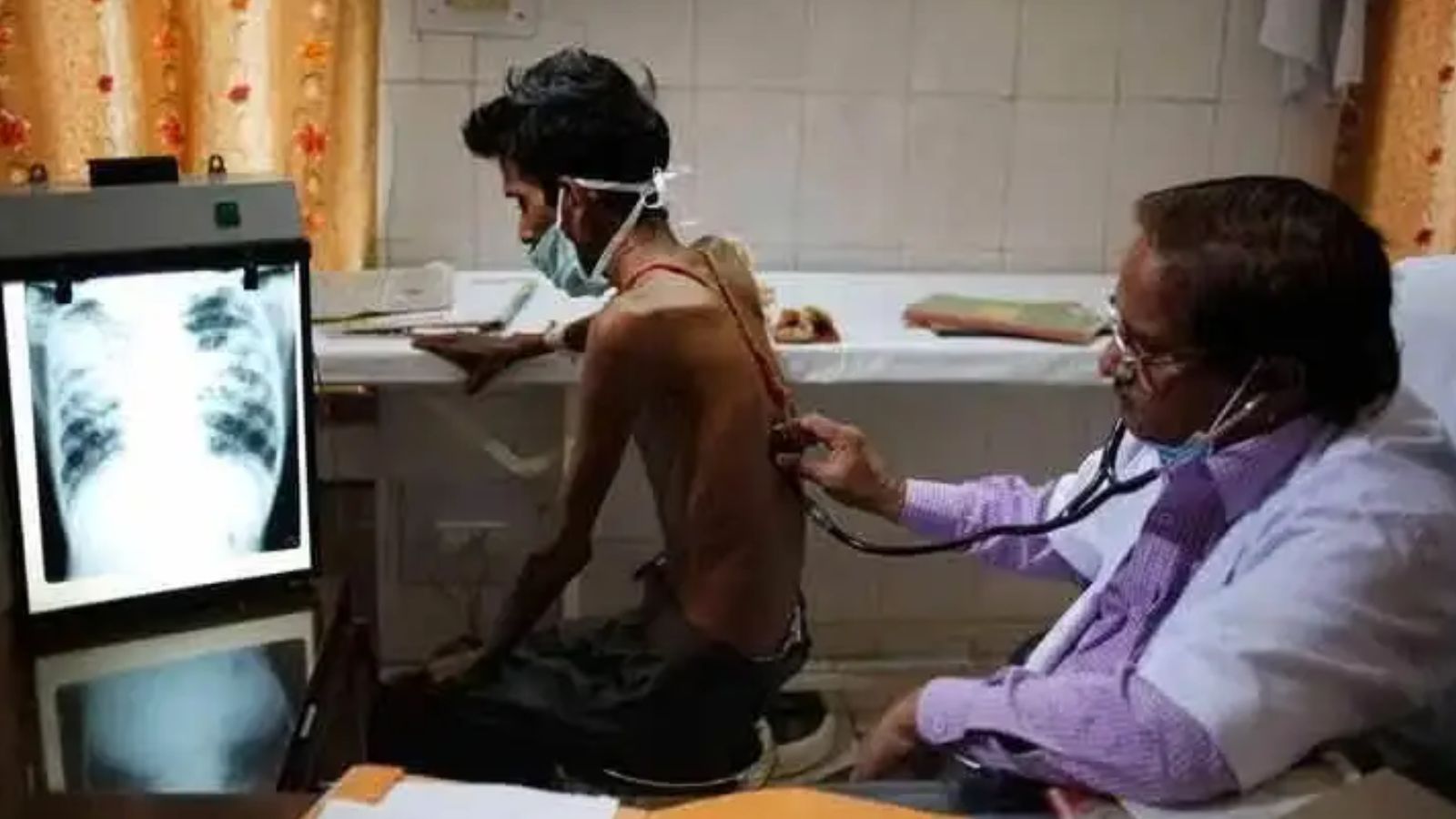
Five questions may be all it takes to identify TB patients who need urgent care
Indian Express
AllAfrica
TechnologyJun 22, 2026 · 1 min
Ethiopia: Ruling Party in Ethiopia Secures 90% of Seats in Parliament
AllAfrica