Indian Express
Indian Express··4 min read
Multiple entries to maximum attempts: UPSC rejects 569 applications at Prelims stage
4 min readNew DelhiJun 25, 2026 05:30 AM IST
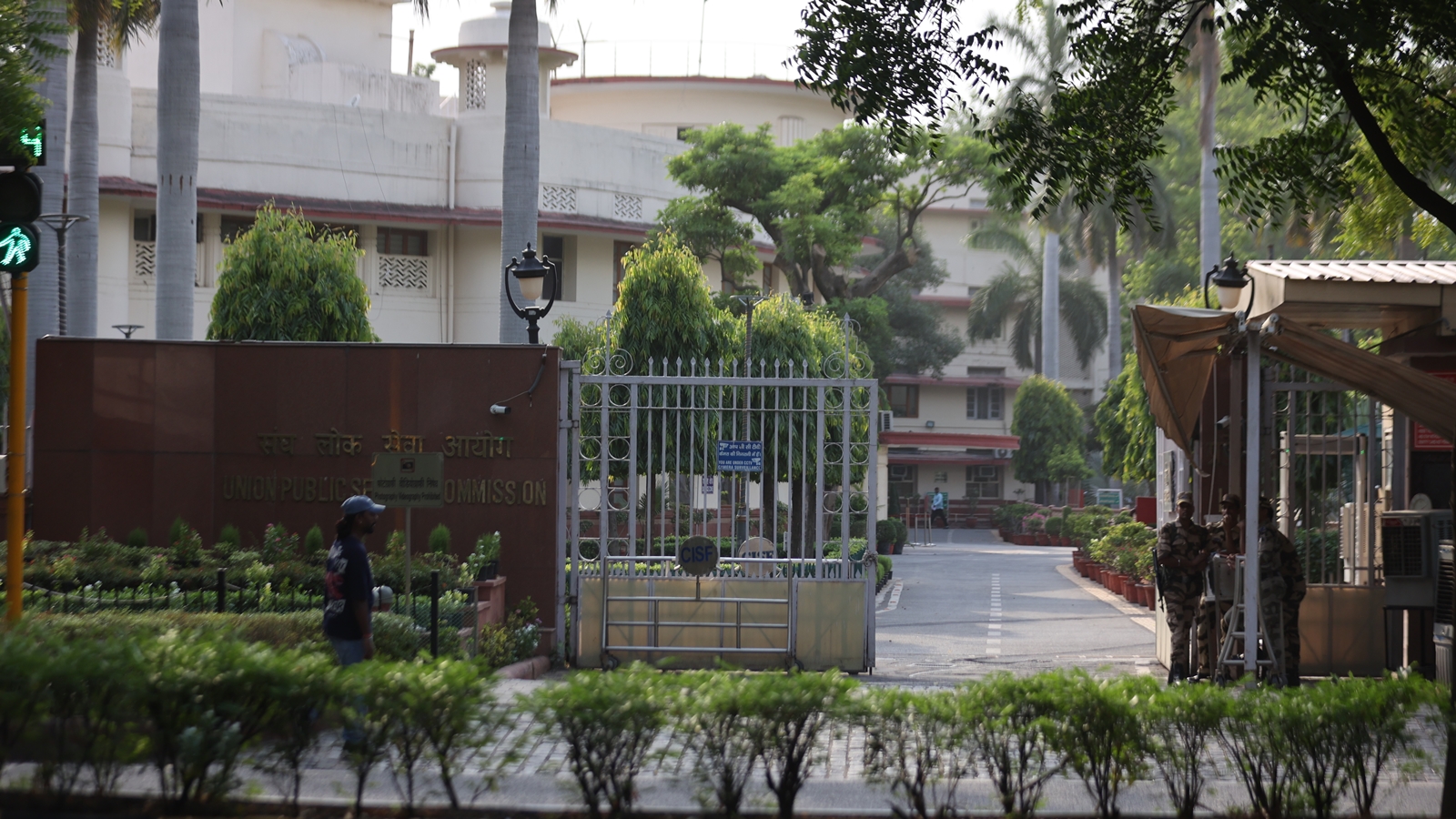
The UPSC office on Delhi’s Shahjahan Road. (Express photo by Tashi Tobgyal)
In a first, the Union Public Service Commission (UPSC) carried out an exercise using AI to weed out ineligible applications for the Civil Services (Preliminary) Examination, 2026, at the preliminary stage itself, rejecting 569 such applications, The Indian Express has learnt. These included multiple applications by the same individual and applicants who had exhausted the maximum number of attempts.
This comes two years after then-IAS trainee Puja Khedkar was dismissed from service in 2024. Khedkar was found to have appeared for the CSE-2022 despite exhausting the maximum number of attempts, by changing her name and her parents’ names. The UPSC later cancelled her candidature. Until last year, the UPSC would carry out these checks at the interview stage, after the candidate had cleared the preliminary and main examination. As per rules, six attempts up to the age of 32 years are allowed for the general category, nine attempts up to the age of 35 years for OBCs, and unlimited attempts up to the age of 37 years for SCs and STs.
This time, a total of 8.18 lakh candidates had signed up for the examination that was held on May 24, with 5.49 lakh appearing for it. The number of applicants had reduced from 9.5 lakh in 2025, according to UPSC.
According to UPSC sources, one of the possible reasons for the reduction in the number of candidates could be a series of steps introduced for the first time in the CSE this year, including Aadhaar-based authentication and de-duplication using AI.
Last year, the UPSC had rolled out a new portal for applicants, which gave the option of Aadhaar authentication for the 2026 exams. According to UPSC officials, about 94% of the applicants had opted for this, which means that they were unique applicants, with no possibility of duplication. For the remaining, around 49,000 applicants, the UPSC used AI to detect duplicates by searching for the name, parent’s name, date of birth and photos, they said.
After that, the UPSC checked if the candidates had exhausted the attempts allowed or surpassed the age limit for their category. A UPSC official said this was done using AI, looking at the applicants’ database of 15 years.
In the case of the CSE, 569 such candidates were found, who had exhausted their attempts or crossed the age limit for their category, leading to the rejection of their applications. Another 69 such candidates for the Indian Forest Service examination on May 24 were also detected using the same tool, officials said.
Story continues below this ad
When reached for comment, UPSC Chairman Ajay Kumar said: “Technology must serve the cause of fairness. This year, UPSC undertook a de-duplication exercise at the Prelims examination application stage to ensure that every genuine candidate is correctly identified and that fraudulent or multiple applications are detected and eliminated. The exercise relies on secure comparison with the Commission’s existing database while ensuring that candidates’ information remains fully protected. UPSC strives to create a level playing field for every candidate, and technology is an important enabler in achieving that objective.”
Checking for changes in the social category of candidates from previous attempts, which, too, was earlier done at the interview stage, was also done at the Prelims stage this time, officials said. Using AI, the UPSC checked if the category selected by an applicant had changed from the category selected by them in a previous attempt, for example from general to EWS or from SC to OBC. A total of 43,497 such candidates were found, it is learnt.
The UPSC then sent emails to all of them, cross-checking the change. It was found that many of the candidates had earlier applied for general category as they were not able to get the relevant certificate in time, sources said. A total of 133 applications (part of the total 569) were cancelled as a result of this exercise as they had crossed the number of attempts allowed for the respective categories, they said.
Damini Nath is an Assistant Editor with the national bureau of The Indian Express. She covers the housing and urban affairs and Election Commission beats. She has 11 years of experience as a reporter and sub-editor. Before joining The Indian Express in 2022, she was a reporter with The Hindu’s national bureau covering culture, social justice, housing and urban affairs and the Election Commission.
Expertise
Key Coverage Areas: Damini Nath currently specializes in reporting on two crucial beats:
Housing and Urban Affairs: Providing in-depth analysis and reporting on India's urban development, policy, and housing issues.
Election Commission (EC): Offering authoritative coverage of electoral processes, policies, and the functioning of India's constitutional body responsible for conducting elections.
Professional Background: Her extensive experience includes roles as a reporter and sub-editor, demonstrating a comprehensive understanding of the journalistic process from fieldwork to final production.
Previous Role: Before joining The Indian Express in 2022, she served as a dedicated reporter with The Hindu’s national bureau, where her reporting portfolio included:
Culture
Social Justice
Housing and Urban Affairs
The Election Commission beat (a consistent area of focus).
Trustworthiness
Damini Nath's decade-plus career at two of India's most respected and authoritative news institutions, The Indian Express and The Hindu, underscores her commitment to factual, impartial, and high-quality reporting, establishing her as a trusted and credible source for news on urban governance and electoral matters. ... Read More
Tags:
UPSC
View original source — Indian Express ↗
Related stories

ESPN
SportsJun 25, 2026 · 1 min
Fever's Clark exits with back issue, won't return
ESPN

ESPN
SportsJun 25, 2026 · 1 min
Lawyer: Drug charges vs. Miller will be dropped
ESPN

ESPN
SportsJun 25, 2026 · 1 min
Sources: Pistons trading Stewart to Grizzlies
ESPN

Antara News
NewsJun 25, 2026 · 1 min
Indonesia named partner country for Russia's INNOPROM 2026
Antara News